
Plastic surgery · coordinated in Istanbul
Breast implants in Turkey
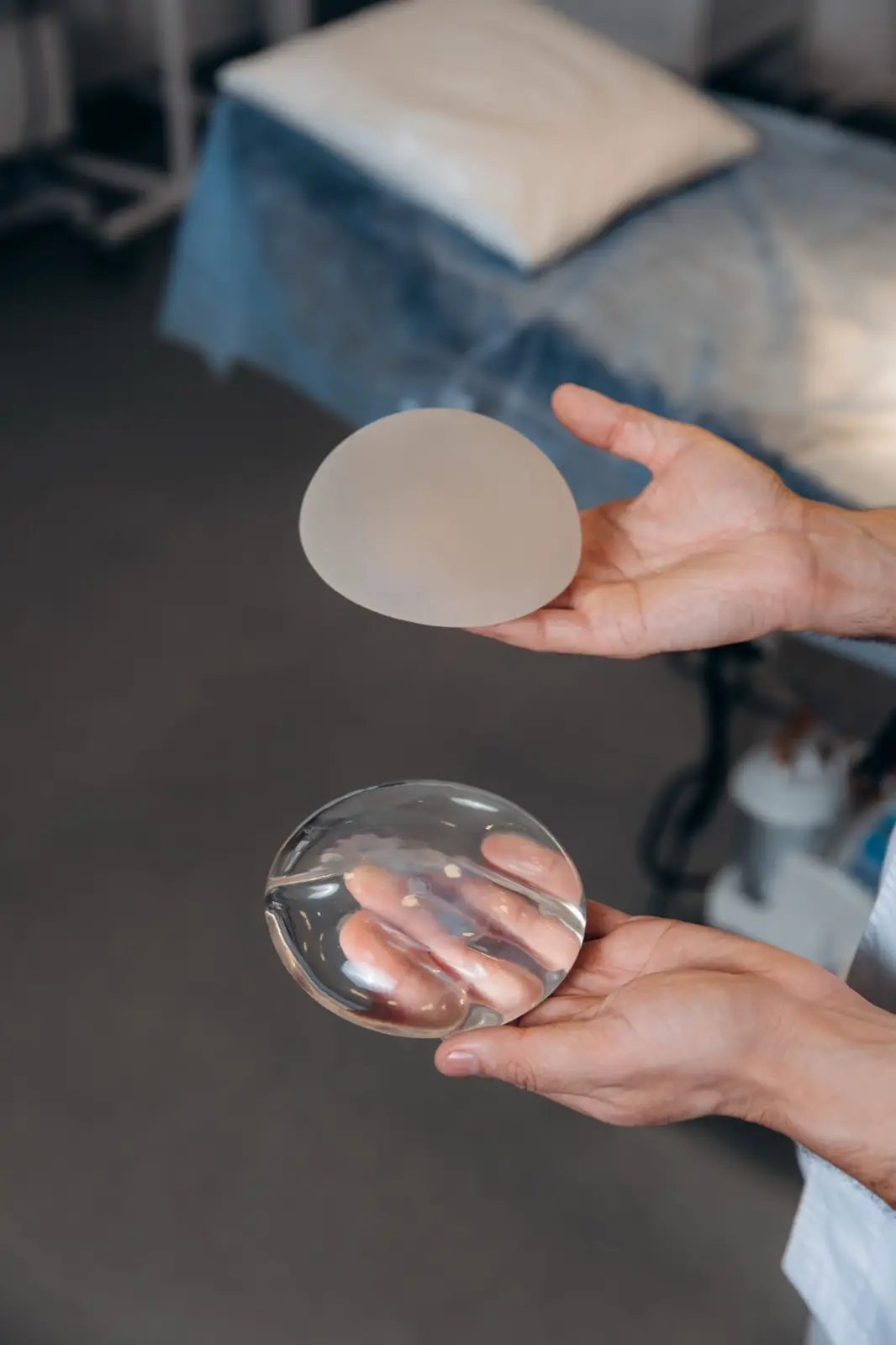
Breast augmentation places an implant to add volume and change shape. It is one of the most performed cosmetic operations in the world and it works well. The part that gets left out of most pages is what happens over the following decade, because an implant is a manufactured device with a service life, not a permanent alteration to your body.
Istanbul European Clinic Medical Travel Services is a medical travel coordination company in Istanbul: we work with independent partner plastic surgeons who operate at their own clinics or at accredited hospitals. A bilingual coordinator handles your dates, hotel, transfers and interpreting, while every clinical decision, from implant size and placement to whether you need a lift as well, is made independently by your chosen partner surgeon. Istanbul European Clinic does not perform surgery and does not guarantee outcomes.
An independent partner surgeon checked the medical claims on this page. What applies to your own case is decided by the surgeon who examines you.
Last reviewed 16 September 2026How much do breast implants cost in Turkey?
From €3,350 through our partner surgeons, typically covering the surgery, the implants, one night in hospital and transfers. Flights are usually not included.
The variable to pin down is the implant itself: brand, model and warranty. A cheaper quote often reflects a cheaper device rather than a cheaper operation, and since you may need that device documented years later, possibly in another country, saving a few hundred euros there is a poor trade. Ask what a future replacement would cost too, because the next section explains why that is a realistic question rather than a pessimistic one.
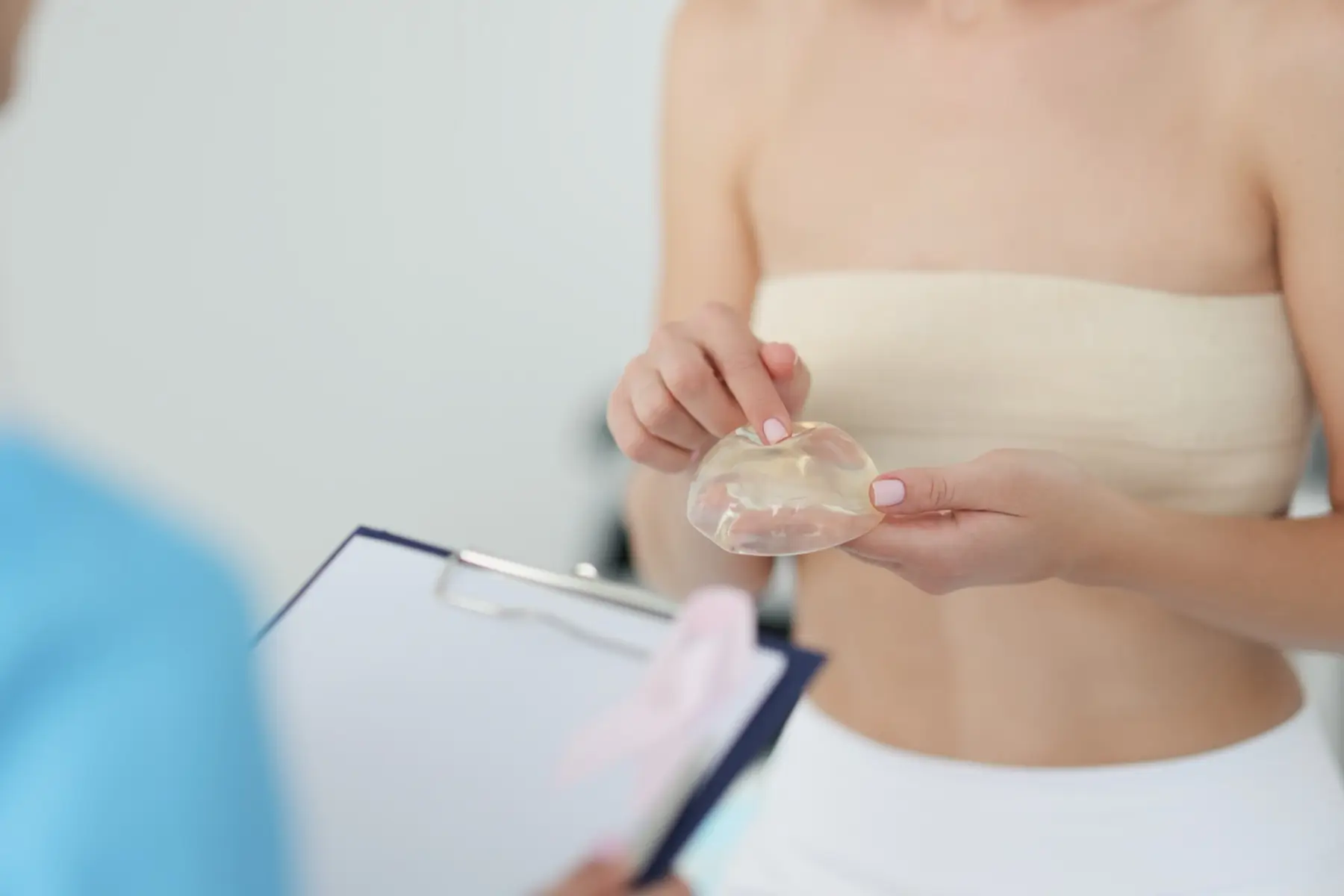
Implants are not permanent, and the data is clear about it
A 10-year prospective study followed 205 patients with 385 implants. For the augmentation group the headline complications were low, but the removal rate was not.
| At 10 years | Augmentation patients | What it means |
|---|---|---|
| Rupture | 7.4% | Silicone rupture can be silent, hence periodic imaging |
| Capsular contracture (Baker III/IV) | 3.8% | Scar capsule tightens; correcting it means more surgery |
| Explantation (removed or exchanged) | 21.3% | About one in five, within a decade |
- The removal figure is the one to sit with. Roughly one in five women had their implants taken out or exchanged within 10 years, and about 85% of those removals were for cosmetic reasons rather than medical necessity: wanting a different size, a different look, or simply not wanting implants any more.
- That is not a failure rate, it is a service life. Implants are devices. Deciding to have them is deciding to have something in your body that will probably need attention, and possibly further surgery, at some point.
- So budget and plan for it. Ask what a replacement costs, keep your implant documentation permanently, and know who would arrange imaging or exchange for you at home. This is the part that a package price never covers.
This page carried an unsourced "95% to 98% success" claim before it was rebuilt. That number told you nothing useful. The figures above tell you what actually happens over ten years, which is what you need in order to decide.
Get the implant documentation, and keep it
This matters more for augmentation than for almost any other cosmetic surgery abroad, because you are having a manufactured product implanted and its paperwork travels with you for life.
- Ask for brand, model, size and lot numbers, and for the implant cards or certificates after surgery. Reputable manufacturers provide documented warranties.
- Verify rather than assume. Many Turkish clinics use the same major international brands used across the UK and EU, but a clinic that will not tell you exactly which device it is putting in you has answered a different question than the one you asked.
- You may need it in another country, years later. If an implant needs imaging, or ruptures, or you decide to have them exchanged, the surgeon dealing with it will want to know exactly what is in there. Losing that paperwork makes a routine problem harder.
Implants alone, or with a lift?
A common and consequential misunderstanding: implants add volume, they do not lift. If the breast has descended, adding an implant on its own can make it look heavier and lower rather than restored.
- If the tissue is in a good position, an implant alone gives the volume and shape most people are after.
- If there is significant descent, a lift (mastopexy) is needed as well, which is a longer operation with more scarring but is what actually achieves the look.
- A surgeon who tells you implants alone will not give you what you want is not upselling; they are describing the anatomy. One who agrees to whatever you ask for is giving you a shorter conversation and a worse result.
Size is a related judgement. A surgeon who says a size is unrealistic for your frame and your tissue is exercising exactly the judgement you are paying for, and larger implants carry more long-term weight-related change.
Sources
Figures on this page that come from published research are listed here with the study they come from, so you can check them yourself.
What we actually do
The travel part is our job
Your surgeon handles the medicine. We handle everything around it: the dates, the hotel, the airport transfers and an interpreter who stays with you at the appointments, so nothing gets lost between languages.
Photo: Engin Yapici / Unsplash
Frequently asked questions
How much do breast implants cost in Turkey?
Through our partner surgeons it starts from €3,350, typically covering the surgery, the implants, one night in hospital and your transfers. Flights are usually not included. Ask which implant brand and type the price assumes, because that is the main variable, and ask what a future replacement would cost, since implants are not permanent.
Are breast implants permanent?
No, and this is the single most important thing to understand before having them. In a 10-year prospective study of implant-based augmentation, the rupture rate was 7.4% and capsular contracture (Baker III/IV) 3.8%, but the explantation rate was 21.3%. In other words, roughly one in five women had their implants removed or exchanged within 10 years. Notably, about 85% of those removals were for cosmetic reasons rather than medical necessity: women wanting a different size, a different look, or simply not wanting them any more. Plan for implants as a commitment with future surgery in it, not a one-time purchase.
What is capsular contracture?
Scar tissue naturally forms a capsule around any implant. In some women that capsule tightens, which can make the breast feel firm, look distorted and sometimes hurt. In the 10-year data, significant contracture (Baker grade III or IV) affected 3.8% of augmentation patients. It is the classic implant complication and, when it is troublesome, correcting it means further surgery.
How do I know if an implant has ruptured?
Sometimes you cannot, which is why follow-up matters. A saline implant deflates visibly; a silicone rupture can be silent, with the gel contained by the capsule and no obvious change. Rupture rates were 7.4% over 10 years in that study. Manufacturers and regulators generally recommend periodic imaging to check silicone implants, and knowing who will arrange that for you at home is part of planning surgery abroad.
Are the implants used in Turkey FDA-approved?
Many Turkish clinics use the same major international brands used in the UK, EU and US, but you should verify rather than assume. Ask for the brand, the model and the lot numbers, and ask for the implant cards or certificates after surgery. Reputable manufacturers provide documented warranties. If a clinic cannot or will not tell you exactly which implants they are putting in you, that is a serious answer in itself, and the low price may be explained by the device.
What implant brands do surgeons use?
The established international manufacturers are widely available in Turkey. What matters more than the name is documentation: get the brand, model, size, lot number and warranty terms in writing, and keep the implant cards. You will need them if you ever have a problem, need imaging, or have the implants exchanged, potentially years later in another country.
Can I combine implants with a lift?
Yes, augmentation with mastopexy is common and often necessary: implants add volume but do not lift, so if the breast has descended, implants alone can make it look bottom-heavy rather than lifted. Combining the two is a longer, more complex operation with more scarring, and it is a clinical judgement rather than an upsell. A surgeon who tells you that implants alone will not achieve what you want is being straight with you.
How long do I stay in Turkey?
Plan about 5 to 7 days: the surgery, one night in hospital, and a check before you fly. Do not book the return flight before your surgeon has cleared it, and wear the support garment for the journey.
What are the risks of a long flight afterwards?
Deep vein thrombosis is the main concern after any surgery followed by a long flight. Stay hydrated, walk the cabin and follow advice on compression stockings. For the chest specifically, avoid lifting bags into overhead lockers, which is exactly the movement your healing chest cannot take. Arrange help with luggage.
How do I choose a breast surgeon?
On specific experience with breast augmentation, willingness to discuss implant choice properly (size, profile, placement above or below the muscle) and results shown at 6 to 12 months rather than fresh. A surgeon who assesses your tissue and tells you that a size you want is unrealistic for your frame is giving you their judgement, which is what you are actually paying for.
What is included in an augmentation package?
Typically the surgery, the implants, one night in hospital, medication, a support bra, hotel, transfers and interpreting. Confirm the implant brand and model in writing, the warranty terms, and the revision policy, especially what happens if you develop capsular contracture or a rupture once you are home.
How are complications handled after I return home?
A reputable partner surgeon provides remote aftercare and records for your local doctor, and you should keep your implant documentation permanently. Because the implant-specific problems (contracture, rupture) tend to appear years later rather than in the first weeks, ask what the manufacturer warranty covers and how a replacement would work if you are no longer travelling to Turkey.
Why are breast implants cheaper in Turkey?
Lower cost of living, salaries and facility costs, plus a favourable exchange rate. That much is structural. What a very low quote can also reflect is a cheaper implant device, so the implant brand is the specific thing to pin down. Saving a few hundred euros on an implant you will carry for a decade, and may need documentation for, is a poor trade.
Is Turkey a good place for breast implants?
It can be. Turkish plastic surgeons perform breast augmentation in high volumes and the cost difference is genuine. The two things to get right are the same anywhere: verify the surgeon and the facility, and get full documentation of the device. The second matters more here than for most procedures because you are having a manufactured product implanted, and you may need its paperwork in another country years from now.
Which country is best for breast augmentation?
There is no single best country, and any page that names one is selling it. Augmentation is a standard procedure performed well in many places; countries differ in cost and waiting times. The better questions are which surgeon, which implant, and who will look after you in ten years when the implant needs checking or replacing.
How do I compare pricing across clinics?
Compare the same implant brand and type first, then hospital nights, garments and follow-up. Then add something most comparisons omit: the likely cost of future surgery, given that around one in five women have implants removed or exchanged within 10 years. The cheapest augmentation today is not necessarily the cheapest decision over the life of the implants.
How do I verify the clinic and reviews before travelling?
Confirm accreditation on the accrediting body's own database, verify the surgeon's licence through the Turkish authorities, and prefer independent review platforms over a curated gallery. Ask to see results at a year or more, because a freshly augmented breast always looks good and the questions that matter, shape settling, contracture, scarring, only answer themselves with time.
What is the safest way to arrange the trip?
Either book directly with an accredited hospital or work through a medical travel coordinator that is clear about what it is. Istanbul European Clinic Medical Travel Services is a coordination company: we arrange travel, accommodation, transfers and interpreting and introduce you to independent partner plastic surgeons who assess your case and carry clinical responsibility for it. We do not perform surgery and we do not employ the surgeons. Get your implant documentation before you fly home, and keep it.