
Plastic surgery · coordinated in Istanbul
Liposuction in Turkey
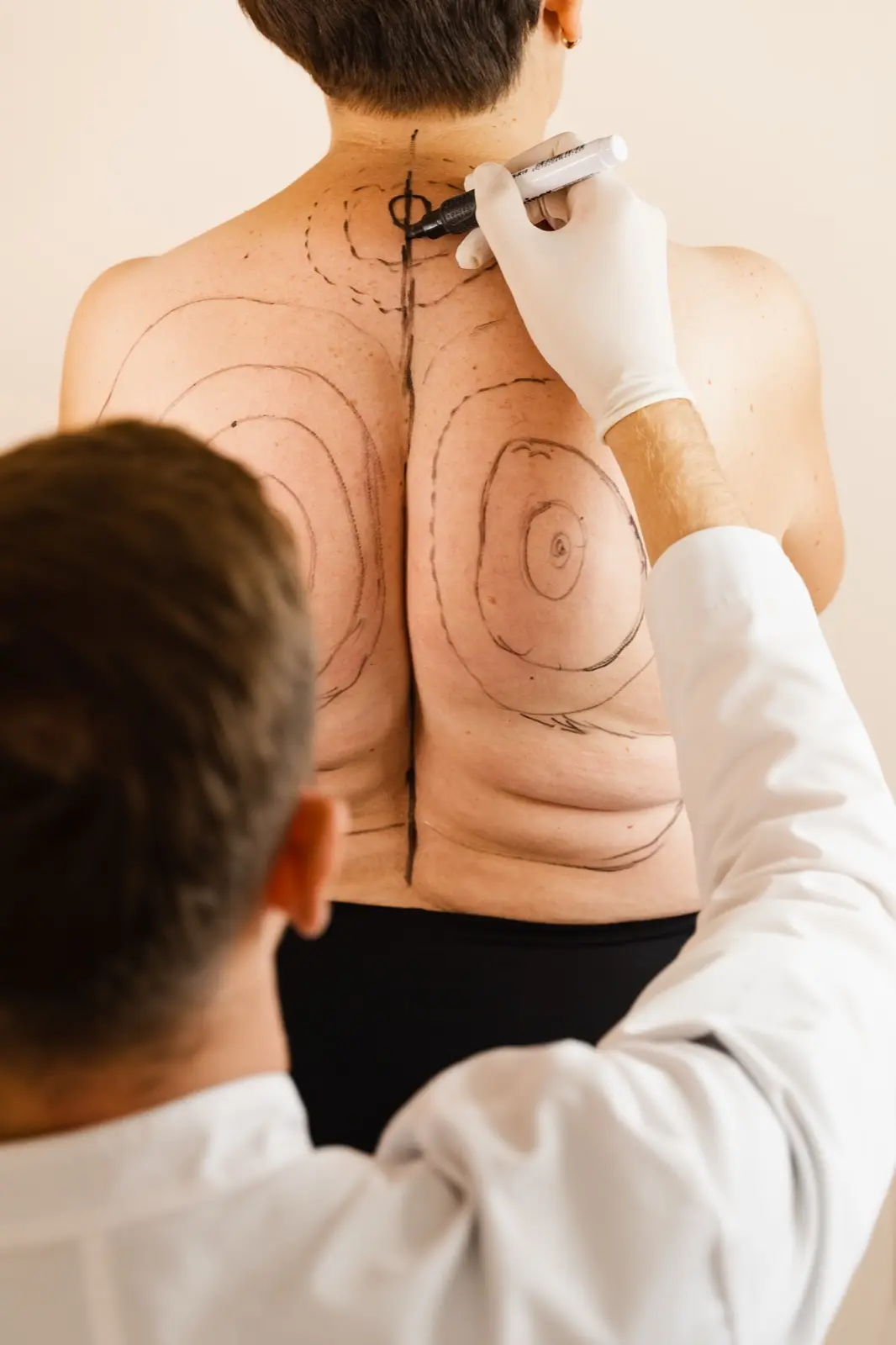
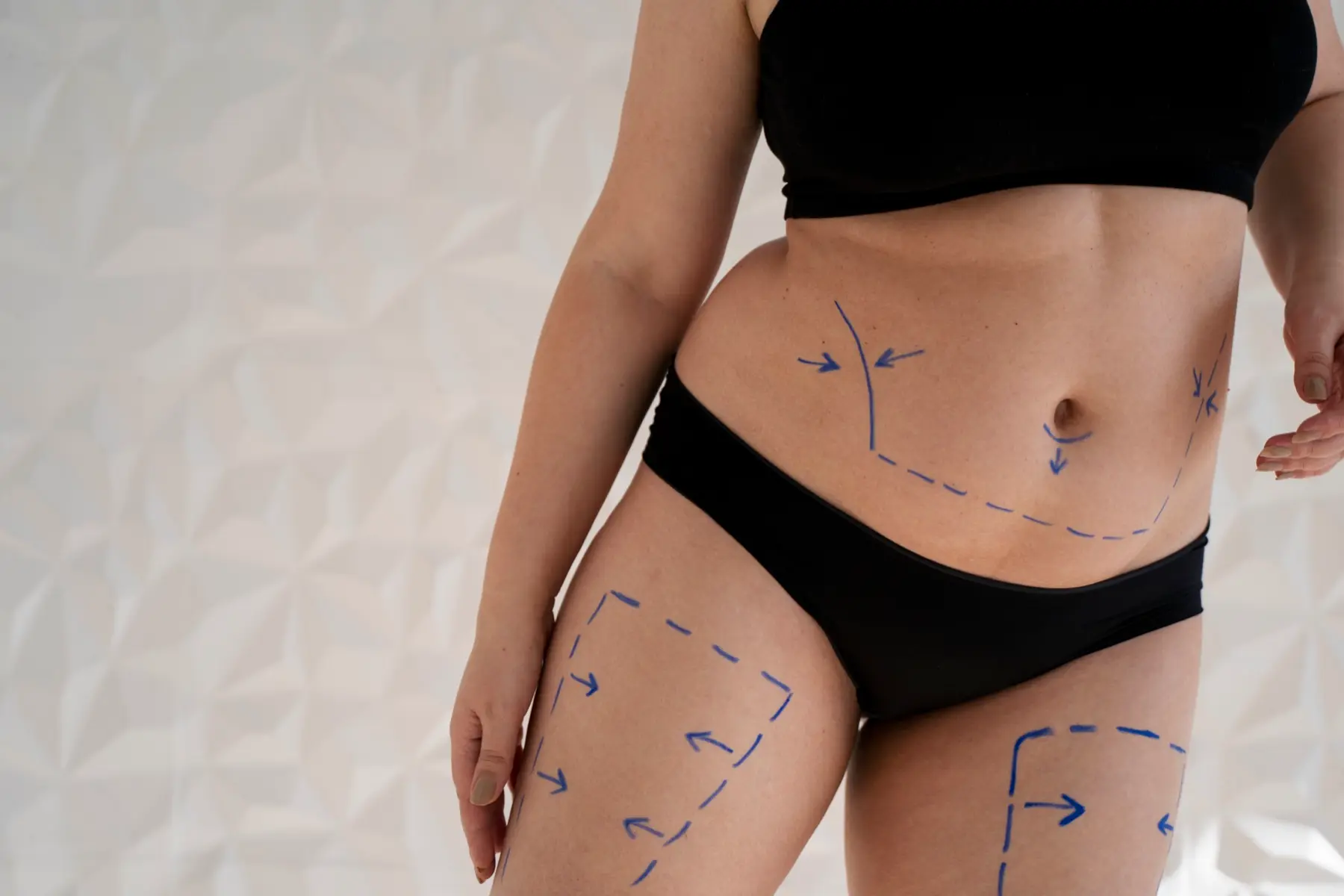
Liposuction removes pockets of fat that diet and exercise do not shift, through incisions of a few millimetres, to change the shape of an area rather than the number on your scales. It is not a weight-loss operation and it does not tighten loose skin. It is also the operation that looks simplest on a brochure and has the most sobering published safety record of the common body procedures, which is why most of this page is about how that record is made, and what you can ask to stay on the right side of it.
Istanbul European Clinic Medical Travel Services is a medical travel coordination company in Istanbul: we work with independent partner plastic surgeons who operate at their own clinics or at accredited hospitals. A bilingual coordinator handles your dates, hotel, transfers and interpreting, while every clinical decision, starting with whether liposuction is the right operation for you at all, is made independently by your chosen partner surgeon. Istanbul European Clinic does not perform surgery and does not guarantee outcomes.

An independent partner surgeon checked the medical claims on this page. What applies to your own case is decided by the surgeon who examines you.
Last reviewed 16 September 2026How much does liposuction cost in Turkey?
Liposuction coordinated through our partner surgeons in Istanbul starts from €2,100. Before you compare that with anything, understand the one variable that makes liposuction quotes hard to compare at all: the operation is priced by how many areas are treated, because each area adds time in theatre.
| Where | Published cost | What the figure covers |
|---|---|---|
| Turkey, partner surgeons | from €2,100 | Surgery, anaesthesia, hospital stay, transfers. A starting figure, for a limited number of areas |
| United Kingdom, national range | £2,043 – £8,628 | Self-pay charges across 41 providers, collected May 2025 by GoPrivate.com. Usually consultant and hospital fees; may exclude tests and post-operative care |
| London, Cadogan Clinic list price | £4,250 one area, £7,150 three areas | Published per-area price list: consultations, pre-operative assessment, theatre, nursing aftercare |
The London list price is in the table for one reason: it states out loud what a travel quote usually leaves vague. £4,250 buys one area and £7,150 buys three, so the same clinic can be described as costing either figure depending on what you count. When you compare two quotes, compare the number of areas as carefully as the number of euros, and get the areas named in writing. Prices in three currencies are quoted in their own currency on purpose, because converting them invites you to read them as one measurement when they are not.
The safety data, with the actual numbers
Liposuction is presented almost everywhere as a minor cosmetic procedure. The published record says something else. A review in Plastic and Reconstructive Surgery examined major and lethal complications of liposuction in Germany between 1998 and 2002: over those five years it documented 72 serious complications and 23 deaths.
What matters more than the count is the pattern of what actually killed people, because it is not the thing patients are usually warned about.
| Cause of a lethal outcome | What it is, and what it points at |
|---|---|
| Bacterial infection | Necrotising fasciitis, gas gangrene and forms of sepsis. The most frequent lethal causes in the review. This is a sterility and theatre-standards problem, not a technique problem |
| Haemorrhage | Bleeding during or after the operation |
| Perforation of abdominal viscera | The cannula passing through the abdominal wall and damaging an organ underneath |
| Pulmonary embolism | A clot travelling to the lungs, the risk that immobility and long operating times drive |
- Read the top row again. The most frequent lethal causes were bacterial infections. Not an exotic technical accident: infection. That makes the standard of the operating theatre, the sterility of the instruments and the quality of the nursing the most important safety variables in the operation, and they are the variables least visible in a brochure and most expensive to maintain.
- Tumescent anaesthesia is safer, and it is not a shield. It is generally regarded as the lower-risk approach, and this review still recorded four deaths under it. Anyone presenting a technique as the reason your operation carries no risk is telling you something the literature does not support.
- The complications arrived fast. 57 of the 72 serious complications were clinically evident within the first 24 postoperative hours. That single sentence has more practical consequence for a medical traveller than any other number on this page, and the next section is about why.
The five risk factors the study named, and why they describe budget surgery
The German review did not stop at counting. It named the factors that contributed to these outcomes, and the list reads like a description of a high-volume, low-price operation. That is not our framing; it is what the authors identified.
- Insufficient standards of hygiene. Given that bacterial infection was the leading lethal cause, this is the first thing to ask about, and it is answerable: which hospital or licensed facility is the operation performed in, by name, and can you look that facility up independently?
- The infiltration of multiple litres of wetting solution. Large volumes of fluid and large volumes of fat removed push the operation from contouring toward a physiologically demanding procedure. A surgeon who limits the volume, or splits the work into two sessions, is applying this finding rather than upselling you.
- Permissive postoperative discharge. Sending patients home too soon. Put this next to the finding that 57 of 72 complications appeared within the first 24 hours, and the reason a hospital night is not an optional extra becomes obvious. A package that has you back at a hotel on the day of surgery is saving money in exactly the window the data says matters.
- Selection of unfit patients. Operating on people who should not have been operated on. This is where the "liposuction is not weight loss" point stops being pedantry and becomes a safety issue: a patient with a high BMI who wants liposuction instead of weight loss is the unfit patient the review is describing.
- Lack of surgical experience, which the authors call a notorious contributing factor. Ask for the name of the person who will hold the cannula, not the name of the clinic, and ask how many of these they do.
None of this makes an expensive clinic safe, and none of it is specific to Turkey. It means price is a signal about a business model, and every one of the five factors above is a question you are entitled to ask out loud before you pay a deposit. A provider who answers all five plainly has told you more than a gallery of before-and-after photographs ever will.
Liposuction is not weight loss, and that is a safety point
The distinction gets repeated so often that it has stopped being heard, so here it is in the terms that matter. Liposuction removes a limited volume of fat from specific places to change your outline. Large-volume removal, generally described as more than about 5 litres, raises the risk of fluid shifts and needs closer monitoring and a longer stay. Five litres of fat weighs roughly 4.5 kg, which tells you how little this operation can do about your weight.
The safety consequence is direct. If you are significantly overweight and are offered liposuction as a way to lose weight, you are being made into the fourth risk factor on the list above. Weight loss comes first, through diet, medication or bariatric surgery, and body contouring comes afterwards, once your weight has been stable for a while.
A surgeon who tells you that you are not a candidate at your current weight is not turning away business carelessly. They are declining to become the entry in someone else's complication review.
Liposuction or a tummy tuck? They are different operations
These two get marketed as if they were two strengths of the same thing. They are not, and choosing the wrong one is the most common way people end up disappointed by a technically successful operation.
| Liposuction | Tummy tuck (abdominoplasty) | |
|---|---|---|
| What it removes | Fat only. The skin is left to retract on its own | Excess skin, cut away and closed. Fat too, usually with liposuction at the same time |
| Separated abdominal muscles | Not addressed. Liposuction does nothing to the muscle layer | Repaired. The separated muscles are stitched back together |
| Scar | A few marks of a few millimetres | A long permanent scar low across the abdomen, roughly hip to hip, plus one around the navel |
| Right for you if | Your skin still has good elasticity and the problem is localised fat | Your skin has already been stretched by pregnancy or major weight loss, or your abdominal muscles have separated |
- Liposuction removes fat, not skin. If the skin over the area has already lost its elasticity, taking the fat out from underneath can leave it looser than it was before, and no technique or device changes that.
- After pregnancy or major weight loss, liposuction is usually the wrong answer. The problem in that situation is skin and often muscle separation, and neither is a fat problem.
- If you have been offered liposuction for a post-pregnancy abdomen without anyone mentioning the alternative, ask directly whether a tummy tuck is the more appropriate operation, and why. The answer, and how readily it comes, tells you a lot.
The two are also frequently combined, because they solve different halves of the same complaint. What you should not accept is being sold the smaller operation because it is cheaper, when the assessment points at the larger one.
Who is a realistic candidate
- Localised fat, not general weight. Distinct pockets that have not responded to diet and exercise, on a body that is otherwise near the weight you intend to stay at.
- Skin with good elasticity. This is what decides whether the result looks smooth. If your skin has been stretched, read the section above before you book anything.
- Stable weight. The fat cells removed do not return, but the ones left behind can enlarge, so gaining weight afterwards changes the result and can change how fat distributes.
- Nicotine-free. Smoking impairs the blood supply that healing depends on. Surgeons routinely require you to stop, and it is not a formality.
- Healthy enough, and honest about it. Declare every condition and every medication, including anything that thins the blood. Bleeding and pulmonary embolism are both on the list of what has killed people during this operation.
- Willing to stay observed. If your travel plan cannot accommodate the hospital night and the days of monitoring your surgeon asks for, the timing is wrong even if you are a good candidate.
A partner surgeon who says no, or who recommends a different operation, is doing the job you are paying them for. If nobody has raised a single reason you might not be suitable, that is information about the consultation rather than a compliment about your anatomy.
Recovery, and the window that actually matters
Two timelines run at once and they are easy to confuse. The dangerous one is very short and sits around the operation itself. The uncomfortable one is long and plays out at the hotel and at home.
- First 24 hoursThe window the data points at: 57 of the 72 serious complications in the German review were clinically evident within the first 24 postoperative hours. This is why you stay in hospital and why an early discharge is not a convenience. Report fever, spreading pain or redness, breathlessness, chest pain or confusion immediately, and do not wait to see how it develops.
- Week 1The most uncomfortable stage: swelling, extensive bruising and a soreness like a very hard workout. Compression garment almost continuously, short walks from day one to keep the blood moving, and no travel until your surgeon has seen you.
- Weeks 2 to 3Sharp pain settles, though the area stays tender to touch, and you will still look puffy rather than slimmer. Most people are back at desk work in this window. Physical or lifting work usually waits 4 to 6 weeks.
- Months 3 to 6Most of the swelling resolves and the actual contour appears. Full exercise resumes when your surgeon says so. The small incision marks are still pink at this stage.
- Month 12The result is settled and the marks have usually faded to pale lines. From here, keeping the shape is a question of keeping your weight steady.
Plan 5 to 7 days in Turkey. That covers the surgery, the hospital night, early recovery and a final check before a long flight. On the flight itself: compression stockings, an aisle seat, water, no alcohol, and walk the cabin. Do not book a fixed return leg before your surgeon has cleared the date.
Sources
Figures on this page that come from published research are listed here with the study they come from, so you can check them yourself.
What we actually do
The travel part is our job
Your surgeon handles the medicine. We handle everything around it: the dates, the hotel, the airport transfers and an interpreter who stays with you at the appointments, so nothing gets lost between languages.
Photo: Engin Yapici / Unsplash
Frequently asked questions
How much does liposuction cost in Turkey?
Coordinated through our partner surgeons in Istanbul, liposuction starts from €2,100. What you actually pay depends mainly on how many areas are treated, because each area adds operating time. For comparison, GoPrivate.com lists UK self-pay liposuction at £2,043 to £8,628 nationally across 41 providers (prices collected May 2025), and Cadogan Clinic in London publishes £4,250 for one area, £6,250 for two areas and £7,150 for three.
How do I compare liposuction pricing across clinics?
Compare like for like. Ask how many areas the quote covers, and whether it includes the hospital stay, anaesthesia, pre-op tests, medication, the compression garment, transfers and hotel. A low headline price is often for a single area, or for the surgery only. Ask what happens if you need a revision, and get the answer in writing before you pay a deposit.
Where can I get an all-inclusive liposuction package with hotel and transfers?
Istanbul European Clinic Medical Travel Services coordinates the non-clinical side of the trip: dates, hotel, airport transfers and an interpreter who stays with you at appointments. Ask for the inclusions as a written list rather than as a phrase, because "all-inclusive" is not a defined term and two quotes using it can cover different things. Flights are normally not included.
What are the risks of a long flight after liposuction, and how do I reduce them?
The concern is venous thromboembolism, a clot forming in the leg veins during a long period of immobility. Your surgeon decides when you can fly, and that clearance should come after your final check rather than from a ticket booked in advance. On the flight: compression stockings, an aisle seat, plenty of water, no alcohol, and walk the cabin regularly.
What happens if a complication develops after I get home?
See a local doctor or go to an emergency department, and do it early rather than waiting for a message to be answered from abroad. The published data is clear that the dangerous window is short: in a German review of 72 major liposuction complications, 57 of them were clinically evident within the first 24 postoperative hours. Istanbul European Clinic is a coordination company and does not provide medical care. Your partner surgeon can send your operative records to whoever treats you, which is why you should ask for a copy before you fly.
How do I check a clinic's accreditation and reviews before travelling?
Ask which hospital or clinic the operation actually takes place in, by name, and check that facility rather than the brand marketing it. Ask for the operating surgeon's full name and verify their specialty registration yourself. For reviews, read the negative ones: a page of uniformly perfect reviews tells you less than a mixed one does.
What is the safest way to arrange a liposuction trip to Turkey?
Have a proper assessment before you commit, with the surgeon who will operate rather than with a salesperson. Declare every medication and health condition, including anything that thins the blood. Take the hospital stay your surgeon recommends rather than the shortest one offered: permissive postoperative discharge is one of the risk factors named in the German review of lethal liposuction complications. And book enough days in Turkey that your flight home is not driving your medical timetable.
Do I need to wear a compression garment?
Yes. It reduces swelling, limits fluid collecting under the skin, and helps the skin settle onto the new contour. Expect to wear it almost continuously for the first weeks and then part-time, on your surgeon's schedule. It is uncomfortable and it is not optional.
Can liposuction be combined with a tummy tuck or a BBL?
Yes, and it often is: a tummy tuck is usually done with liposuction, and a Brazilian butt lift is liposuction plus fat transfer. Combining is a clinical decision, not a package upgrade. It means a longer operation, and operating time is what drives clot risk, so it has to be justified by your anatomy and your health rather than by convenience.
Will I have loose skin after liposuction?
Possibly, and this is the most important limit of the operation. Liposuction removes fat; it does not remove skin. If your skin has good elasticity it will retract over the treated area. If it has already been stretched by pregnancy or significant weight loss, taking the fat out from underneath can leave it looser than before. That is the situation a tummy tuck exists for, and an honest assessment will tell you which of the two you actually need.
How soon can I go back to work?
Around 1 to 2 weeks for desk work, and 4 to 6 weeks if your job involves lifting or physical effort. Both depend on how many areas were treated.
Are liposuction surgeons in Turkey board-certified?
Turkish plastic surgeons train through a recognised specialty programme and many hold additional international memberships. But "surgeons in Turkey are certified" is not the same statement as "the person operating on me is certified". Ask for the individual name, then verify it. The German review found that lack of surgical experience was, in its words, a notorious contributing factor in serious complications.
How many litres of fat can be removed safely?
Large-volume removal is usually described as more than about 5 litres, and it raises the risk of fluid shifts, needs closer monitoring and means a longer stay. Note what the German review identified as a contributing factor in lethal outcomes: the infiltration of multiple litres of wetting solution. Volume is not a measure of how good the result will be, and a surgeon who limits it is protecting you.
Which liposuction technique is best: Vaser, laser or traditional?
There is no single best one, and the technique matters less than the marketing suggests. In the German review, four of the deaths occurred under tumescent anaesthesia, which is generally regarded as the safer approach. No technique should be presented to you as risk-free. Choose the surgeon and the facility first, and let them choose the technique for your tissue.
What is included in a liposuction package in Turkey?
Typically the surgery, anaesthesia, the hospital stay, pre-op tests, medication, a compression garment, airport transfers and hotel accommodation. Flights are usually not included. Ask how many areas the price covers, because that is the variable most often left vague.
How long do I need to stay in Turkey after liposuction?
Plan 5 to 7 days: the surgery, the night in hospital, a few days of early recovery, and a final check before you are cleared to fly. Do not compress that. The published complication data concentrates in the first 24 hours, so being observed rather than discharged early is a safety measure, not an upsell.
Why is liposuction cheaper in Turkey?
Local salaries, facility costs and the exchange rate. That explains the gap between Turkey and the UK. It does not explain a clinic that is far cheaper than other clinics in Turkey, and that second gap is the one worth asking about.
Is Turkey a good place to get liposuction?
It can be, and the deciding factor is not the country. The risk factors identified in the published literature are hygiene standards, the volume of fluid infiltrated, discharging patients too early, operating on unsuitable patients, and surgical inexperience. None of those is specific to Turkey, and every one of them is an answerable question about a specific clinic and a specific surgeon.
Will I have scars after liposuction?
Small ones. The cannula enters through incisions of a few millimetres, usually placed in a crease or where underwear sits, and they normally fade to pale marks. If what you need is skin removed rather than fat, the scar is a different matter entirely, and that operation is a tummy tuck.
Can you trust surgery in Turkey?
Trust the specifics rather than the country. Ask which hospital, which surgeon, how many nights, what happens if something goes wrong at home, and who is responsible for what. A provider who answers those clearly and in writing has told you more than any testimonial can.
What BMI is needed for lipo 360?
Most surgeons prefer a BMI under 30, and a higher BMI raises the risk without improving the result. This is not a bureaucratic threshold: selection of unfit patients is one of the named contributing factors in the German review of lethal liposuction complications. A surgeon who declines to operate at your current weight is applying that finding.
How many kg is 5 litres of fat?
Roughly 4.5 kg, because fat is slightly less dense than water. It is a useful number mainly because it shows how little liposuction changes the reading on your scales compared with how much it changes your shape.
Will I look thinner after liposuction?
In the treated areas, yes, once the swelling settles, and clothes usually fit differently. Your weight will barely change. Liposuction alters proportions, not mass.
Does lipo fat come back?
The fat cells that were removed do not grow back. The ones left behind, everywhere on your body, can still enlarge if you gain weight, and fat may then distribute differently than it did before. A stable weight is what keeps the result.
What is the best age for liposuction?
There is no best age. Skin elasticity matters more than the number, because the result depends on skin retracting over a smaller volume. If your elasticity is poor, liposuction alone will disappoint you at any age, and skin removal is the operation that addresses it.
Is liposuction 100% safe?
No, and this is the question this page is built around. In a review of 72 major liposuction complications in Germany between 1998 and 2002, 23 patients died. The most frequent lethal causes were bacterial infections such as necrotising fasciitis, gas gangrene and sepsis, followed by haemorrhage, perforation of abdominal organs and pulmonary embolism. Those are uncommon events, and they are also the reason to ask about theatre hygiene, the length of your hospital stay and your surgeon's experience rather than about the brand name of a technique.
What is the cheapest liposuction cost, and should I take it?
Treat a price well below the market as information rather than as luck. The risk factors the published data names, which are weak hygiene, too much infiltrated fluid, early discharge, unsuitable patients and inexperienced surgeons, are all ways of running an operation faster and more cheaply. That is the connection you are being asked to ignore when a clinic shows you only a number.
Can you lose 20 kg from liposuction?
No. Liposuction is contouring, not weight loss, and large-volume removal is limited for safety reasons rather than commercial ones. If you need to lose a substantial amount of weight, that comes first, through diet, medication or bariatric surgery, and body contouring comes afterwards, once your weight is stable.
Is the price per area or for the whole body?
Per area is how the operation is actually costed, because each additional area adds operating time. That is why €2,100 is a starting figure and a full-body or 360 quote is higher. When you compare providers, compare the number of areas as carefully as the number of euros: UK price lists make this explicit (Cadogan Clinic publishes £4,250 for one area and £7,150 for three), while travel quotes often do not.