
Eye surgery · coordinated in Istanbul
LASIK eye surgery in Turkey
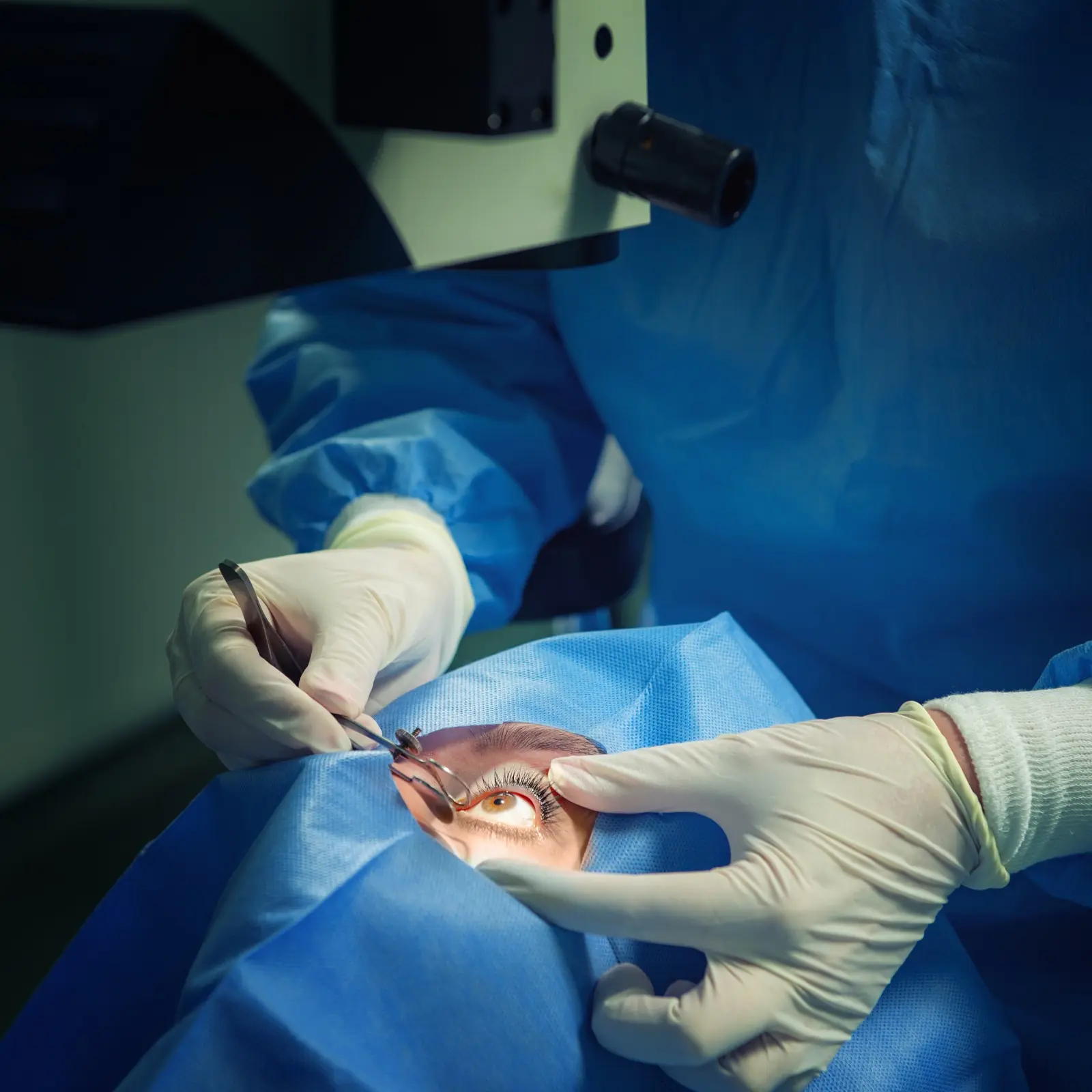
LASIK corrects short-sightedness, long-sightedness and astigmatism by reshaping the cornea with a laser. The surgeon lifts a thin hinged flap in the surface of the cornea, reshapes the tissue underneath, then lays the flap back down. It is quick, it is the most common laser vision procedure in the world, and it is usually the cheapest, which is exactly why it is worth understanding what the flap costs you as well as what it saves you.
Istanbul European Clinic Medical Travel Services is a medical travel coordination company in Istanbul: we work with independent partner ophthalmologists who treat you at their own clinics or at accredited hospitals. A bilingual coordinator handles your dates, hotel, transfers and interpreting, while every clinical decision, including whether LASIK is right for your eyes at all, is made independently by your chosen partner eye surgeon. Istanbul European Clinic does not perform surgery and does not guarantee outcomes.

An independent partner surgeon checked the medical claims on this page. What applies to your own case is decided by the surgeon who examines you.
Last reviewed 15 September 2026How much does LASIK cost in Turkey?
Istanbul European Clinic does not sell eye surgery from a fixed price list, so the figures here are a market estimate for LASIK in Turkey rather than a quote from us. As a market range, both eyes start from about €1,300. One clinic-published all-inclusive package in Istanbul is €2,450 for both eyes, with three nights' hotel and transfers included. Treat these as the shape of the market, and get a written quote for your own eyes.
| Where | Both eyes | What that figure is |
|---|---|---|
| Turkey, market estimate | from €1,300 | A market range, not an Istanbul European Clinic quote. One published Istanbul package is €2,450 for both eyes with three nights and transfers |
| United Kingdom | around €2,500 per eye | Roughly €5,000 for two eyes, shown for scale |
Two things to hold onto. First, these are market estimates, because eye surgery is not on Istanbul European Clinic's own price list; the only number that means anything for you is a written quote after a corneal scan. Second, check whether a price is per eye or for both, because that single detail can double a figure, and a headline that looks cheap is sometimes one eye priced against someone else's two.
The most common complication is dry eye, and most pages hide it
A LASIK page that leads with a tidy success percentage is telling you the flattering half of the story. The honest half is this: the most common complication of LASIK is dry eye. In the PROWL studies led by the US Food and Drug Administration, 27% to 28% of people who had no dry eye symptoms before LASIK reported new ones three months after surgery.
For most people it is temporary and settles over the first few months, helped by lubricating drops. But almost everyone has some degree of it while the cornea heals, and for a minority it lasts longer. It happens because lifting the flap cuts some of the corneal nerves that tell the eye to make tears, so the eye is slower to signal dryness until those nerves recover.
- It is common, not rare. More than one in four is not a footnote, and a clinic that does not mention dry eye at all is choosing what to leave out.
- It is usually temporary. Most cases improve within three to six months as the corneal nerves recover. Preservative-free drops are the normal management.
- Starting dry makes it worse. If you already have dry eye, LASIK can aggravate it, which is one of the specific things the pre-operative assessment is looking for.
None of this is an argument against LASIK. Patient satisfaction after LASIK is genuinely high. It is an argument for hearing about dry eye before the surgery, from the person recommending it, rather than discovering it afterwards, and for taking a pre-existing dry-eye finding seriously rather than talking your way past it.
Who is a realistic candidate, and who should not have LASIK
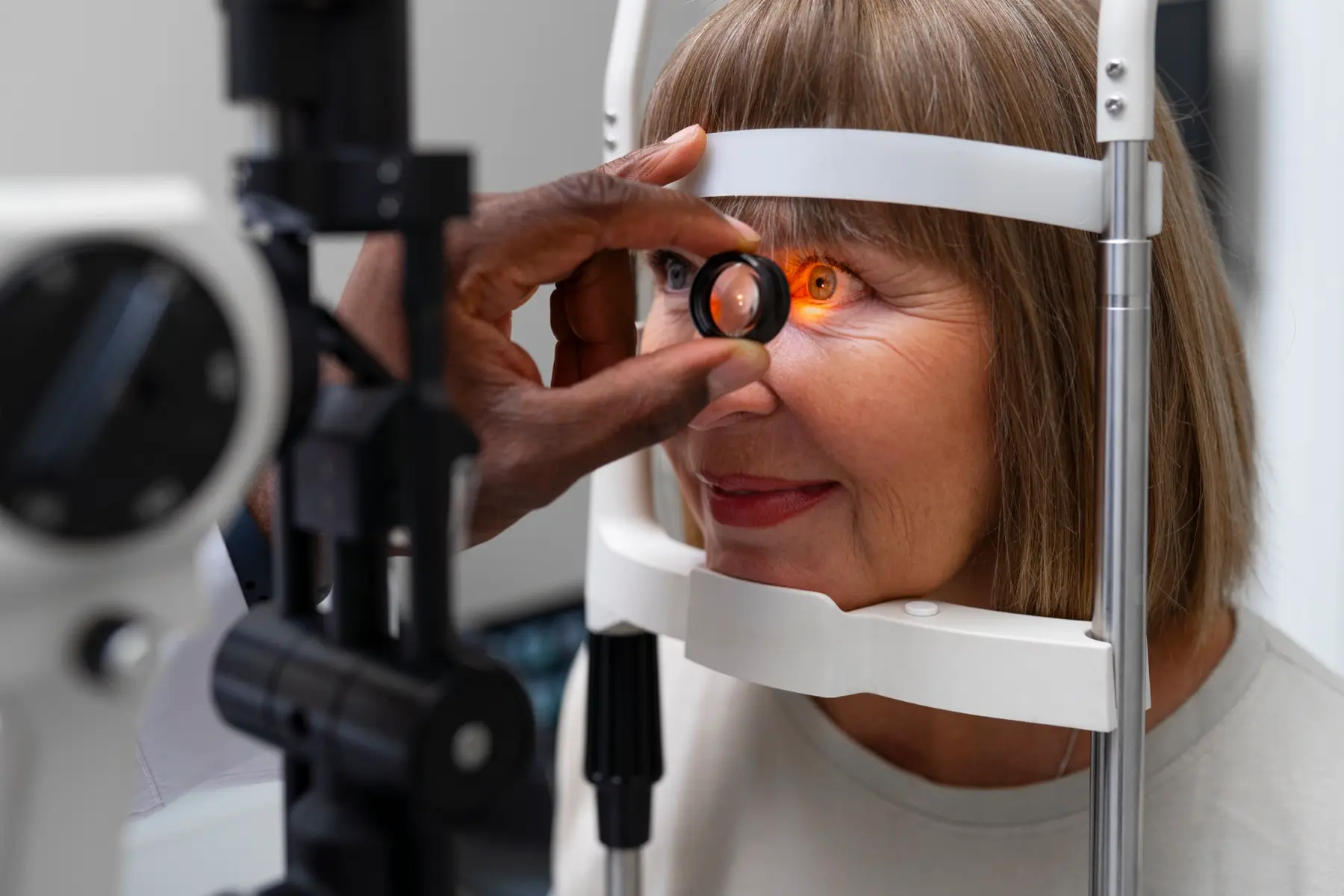
LASIK suits a lot of people, but not everyone, and the assessment that sorts one from the other is the part worth travelling for. These are the things an honest pre-operative exam checks, and any of them can be the reason a good surgeon says no.
- A stable prescription. Your glasses or contacts should not have changed much in the last 12 months. A moving prescription means the target is still moving.
- Enough corneal thickness, and no keratoconus. LASIK removes tissue and needs a cornea thick and regular enough to take it. Thin or irregular corneas, or keratoconus, are a firm stop, because operating on them risks corneal ectasia later.
- No significant pre-existing dry eye. As above, LASIK can worsen it. Marked dry eye can point you towards a flapless technique or away from laser surgery altogether.
- Age and general health. Usually 21 or older with a settled prescription. Pregnancy, breastfeeding and uncontrolled diabetes all change the picture and should be declared.
- Realistic expectations. The goal is to reduce dependence on glasses, and most people reach it, but 20/20 is a goal and not a guarantee, and reading glasses still arrive with age.
A surgeon who measures your cornea and then tells you that you are not a good LASIK candidate is doing exactly the job you are paying for. That answer is worth more than a faster yes from someone who did not look as hard.
The flap is permanent, and why flapless options exist
The flap that makes LASIK fast also stays with you. It heals at its edges but never fully rebonds to the tissue underneath, so it remains a distinct layer for life. In everyday life this matters to almost nobody. The exception is trauma: a hard enough blow to the eye can, rarely, dislodge or wrinkle the flap, and that risk does not fully expire, even years later.
This is the honest reason flapless techniques exist, and not a reason to avoid LASIK. Small incision lenticule extraction (SMILE) reshapes the cornea through a small incision with no flap at all, and surface procedures such as PRK leave no flap either. Each has its own trade-offs and none is simply better: a flapless method tends to mean less dry eye and no flap to dislodge, while LASIK treats a wider range of prescriptions and has the longest track record.
- Contact-sport players and some manual trades are the people for whom a surgeon most often raises a flapless option, because their risk of a knock to the eye is higher.
- Thinner corneas sometimes push the decision towards a flapless or surface technique, which can be gentler on corneal strength.
- It is one consultation, not two pages to choose between. Which technique fits your cornea, prescription and life is a judgement your partner eye surgeon makes with your scans in front of them, not something to settle from a price page.
If a clinic only ever offers you one technique regardless of what your eyes are like, that tells you something about the clinic. A surgeon who explains why LASIK, or why a flapless method instead, for your specific cornea, is giving you the actual answer.
The recovery timeline
LASIK recovery is fast, which is part of its appeal, but fast is not instant and the first days have rules. Here is what the weeks after surgery usually look like.
- First 24 – 48 hoursVision is often usable the next day, but eyes water, feel gritty and are sensitive to light. Rest them, use the drops as prescribed, and do not rub. Most people are cleared to fly once the surgeon has checked the eye, often within a day or two.
- Week 1Vision clears and sharpens, with some fluctuation from hour to hour. Keep water, soap, sweat and eye make-up out of the eyes, and keep using the antibiotic and anti-inflammatory drops.
- Week 3Light sensitivity and watering have usually settled. Light exercise is generally fine, and sunglasses outdoors protect the healing surface.
- Months 3 to 6Vision stabilises, and dry-eye symptoms and night-time halos usually resolve as the corneal nerves recover. This is when the result is settled.
- Year 1 and beyondThe eye is considered fully healed. A routine annual eye exam is worth keeping, even with perfect vision, to watch the general health of the eye.
Plan the trip around that first check rather than the flight home you would prefer. Cabin air is dry and the freshly treated eye is dry too, so use preservative-free drops on the plane, and do not book the return leg for the same day as the surgery.
Sources
Figures on this page that come from published research are listed here with the study they come from, so you can check them yourself.
- Symptoms and Satisfaction of Patients in the Patient-Reported Outcomes With Laser In Situ Keratomileusis (PROWL) Studies. JAMA Ophthalmology, 2017
- Laser eye surgery cost Turkey (clinic-published, 2026): Euro Istanbul all-inclusive package

What we actually do
The travel part is our job
Your surgeon handles the medicine. We handle everything around it: the dates, the hotel, the airport transfers and an interpreter who stays with you at the appointments, so nothing gets lost between languages.
Photo: Engin Yapici / Unsplash
Frequently asked questions
How much does LASIK cost in Turkey?
As a market estimate, roughly €1,300 to €2,450 for both eyes, with one published Istanbul package at €2,450 for both eyes including three nights' hotel and transfers. These are market figures rather than an Istanbul European Clinic price, because eye surgery is quoted case by case; ask for a written quote that states exactly what is included.
What factors explain price differences for LASIK eye surgery between countries?
The main factors are the cost of living, staff wages and facility rents, which are lower in Turkey than in Western Europe. The same laser platforms are sold worldwide, so a lower price reflects lower running costs rather than older technology. The figures on this page are market estimates, not an Istanbul European Clinic quote, because eye surgery is coordinated case by case rather than sold from a fixed list.
How do I compare LASIK eye surgery pricing across clinics?
Compare like for like. Check whether the price is for one eye or both, and whether it includes the pre-operative corneal scans, the post-operative drops and any follow-up. A lower headline price often leaves out items that a higher one includes, so the only figure worth comparing is a written quote that lists what it covers.
What is the process for obtaining a personalized quote for LASIK eye surgery overseas?
You send a recent eye prescription and, where you have one, a corneal topography scan and a short medical history. An independent partner ophthalmologist reviews it and gives a preliminary plan and price. Treat that as a screening step: your cornea is properly measured in person, and the plan can change after that examination, including a finding that LASIK is not the right procedure for your eyes.
Where can I get all-inclusive packages for LASIK eye surgery with hotel and transfers?
Most Istanbul clinics and coordinators offer packages that combine the surgery with airport transfers and a hotel. Istanbul European Clinic Medical Travel Services arranges the travel side, the dates, hotel, transfers and interpreting, around the independent partner ophthalmologist you choose; we do not perform the surgery ourselves. Ask for the package contents in writing so you can see what is and is not included.
How do clinics handle complications if they occur after returning home?
A reputable partner clinic gives you a detailed medical report to share with your local eye doctor and offers remote follow-up for minor issues such as dry eye or inflammation. Agree before you travel what happens if you need to be seen again, and remember that anything requiring a return visit means further travel that is usually at your own cost.
How can international patients compare accredited clinics for LASIK eye surgery abroad?
Compare the specific laser platform used, the ophthalmologist's experience with refractive surgery, and whether structured aftercare is offered. Confirm any accreditation on the issuing body's own database rather than trusting a logo on a website.
How can I verify clinic accreditations and patient reviews before traveling for surgery?
Check accreditation such as JCI or Turkish Ministry of Health certification on the issuing body's own records rather than a badge on the clinic site, and read reviews on independent platforms. Remember that before-and-after material is chosen by the person showing it to you.
What are the safest ways to arrange a medical trip for LASIK eye surgery in Turkey?
Either book directly with an accredited clinic or work through a medical travel coordinator that is clear about what it is. Istanbul European Clinic Medical Travel Services is a coordination company: we arrange travel, accommodation, transfers and interpreting and introduce you to independent partner ophthalmologists who assess your case and carry clinical responsibility for it. We do not perform surgery and we do not employ the surgeons. Whichever route you choose, insist on a proper corneal assessment before anything is booked.
Who is not allowed for LASIK?
LASIK is generally not suitable for people with thin corneas, keratoconus or other corneal disease, significant pre-existing dry eye, an unstable prescription, or uncontrolled diabetes, and it is not done during pregnancy or breastfeeding. Pre-existing dry eye matters in particular, because dry eye is the most common LASIK complication and the surgery can make it worse. Only a corneal examination can confirm whether you are a candidate.
What happens after 20 years of LASIK?
The corneal reshaping is permanent, so the correction itself lasts. What changes is your eye with age: most people develop presbyopia, the need for reading glasses, around their mid-forties to fifties, and that is a normal ageing process rather than the surgery wearing off. Cataracts later in life are also unrelated to having had LASIK.
What is the best age to get LASIK?
Usually between about 21 and 40. By the early twenties the prescription has generally stabilised, and staying under 40 means age-related presbyopia has not yet started. The firm requirement is not the birthday but a prescription that has been stable for at least 12 months.
Is Turkey good for your eyes?
Turkey has a large, established ophthalmology sector and many clinics run the same laser platforms used in Western Europe. As with anywhere, the outcome depends on the individual surgeon and a rigorous pre-operative assessment far more than on the country.
What's the worst that can happen with laser eye surgery?
The serious outcomes are rare but real: corneal ectasia, a progressive thinning and weakening of the cornea, and severe infection, either of which can permanently affect vision. Thorough pre-operative screening exists specifically to identify the people at risk and turn them away, which is why a clinic that screens carefully is protecting you rather than delaying a sale.
Is LASIK very expensive?
Against the running cost of glasses and contact lenses over a lifetime it is often good value, but the up-front cost is real. That is part of why Turkish market prices, a market estimate of roughly €1,300 to €2,450 for both eyes, draw international patients, though the price is never the part to optimise first.
Is it worth going to Turkey for surgery?
For many people the quality-to-price ratio makes it worthwhile, provided the same care goes into choosing the surgeon and confirming the corneal assessment as you would give at home. The saving is real; it is not a reason to skip the screening that decides whether LASIK is safe for you.
Is laser cheaper in Turkey?
Yes, laser eye surgery generally costs less in Turkey, because of lower labour costs, operational expenses and exchange rates rather than lower-grade technology. The same laser platforms are used internationally.
Is LASIK surgery 100% safe?
No procedure is 100% safe. LASIK has a high safety profile, but real risks exist, including dry eye, which affects a large share of patients, night-vision disturbances, under- or over-correction and, rarely, flap complications. These should be discussed honestly with the surgeon before you agree to anything.
Is turkey good for LASIK?
It is one of the busier destinations for refractive surgery, with clinics running current laser platforms and surgeons who perform high volumes. High volume builds experience, but it is the individual surgeon and your own corneal assessment that decide your result, not the destination.