
Orthopaedic · coordinated in Istanbul
Limb lengthening surgery in Turkey
Limb lengthening surgery increases height, or corrects a difference in leg length, by cutting the bone and separating the two ends about 1 mm a day so that new bone forms in the gap. It is a long process measured in months, not weeks: the lengthening itself takes roughly 2 to 3 months, and the new bone needs several more months to harden before you can put full weight on it.
Istanbul European Clinic Medical Travel Services is a medical travel coordination company in Istanbul: we work with independent partner orthopaedic surgeons who operate at their own clinics or at accredited hospitals. From your first enquiry a bilingual coordinator manages your travel, accommodation, transfers, interpretation and the long stay this procedure needs, while every clinical decision, from whether you are a candidate at all to which method is used, is made independently by your chosen partner surgeon. Istanbul European Clinic does not perform surgery and does not guarantee outcomes.

An independent partner surgeon checked the medical claims on this page. What applies to your own case is decided by the surgeon who examines you.
How much does limb lengthening cost in Turkey?
Limb lengthening coordinated through our partner surgeons starts from €24,000. What moves it from there is the implant and the number of segments, not the clinic's postcode: an internal motorised nail is the single largest line item, and lengthening a second pair of segments (both femurs, then both tibias) roughly doubles the surgical cost. A London clinic's published list shows the same arithmetic, at a different scale: £76,500 for one femoral segment with a Precice nail, and £153,500 for all four segments.
The gap with Western Europe and the United States comes from local operating costs, salaries and exchange rates. It does not come from using a cheaper implant, and you should be suspicious of any quote that is far below this range without saying which nail it includes.
| Where | Both femurs, internal nail | What that figure covers |
|---|---|---|
| Turkey, partner surgeons | from €24,000 | Surgery, implant, hospital stay, transfers |
| United Kingdom | £76,500 | Surgeon and anaesthetist, implants, 3 nights in hospital, daily inpatient and 4x weekly outpatient physiotherapy, follow-up x-rays. Accommodation and travel extra |
| United States | $104,500 | Surgeon and anaesthetist, 2 Precice implants, hospitalisation, follow-up and x-rays to 12 weeks, 60 physiotherapy sessions. Accommodation and living costs excluded |
The three figures are in three currencies on purpose, and they are lined up on the same operation: both femurs, lengthened with an internal motorised nail. Tibias cost more everywhere (£79,500 in London, $115,000 at the Florida centre), and doing both pairs roughly doubles the total. One caveat on our own number: €24,000 is a starting price, so ask in writing which implant it includes, how many segments, how many months of physiotherapy, and whether the nail removal operation about a year later is in the quote or billed separately. That last one catches people out.
The methods, and why the choice matters
The method is your surgeon's decision, not a menu item, and it changes both your daily life during treatment and your risk profile. These are the three you will hear about.
- External fixator (Ilizarov-type): a frame outside the leg, held by pins through the skin into the bone. The cheapest option and adjustable, but the frame stays on for months and the pin sites are an open wound the whole time.
- LON (Lengthening Over Nail): a hybrid. A nail is placed inside the bone and an external frame does the lengthening, then the frame comes off early and the nail holds the bone while it hardens. Shorter time in a frame than a pure external method.
- Internal motorised nail (Precice, Stryde): everything is inside the leg and lengthening is driven by an external magnetic controller. Nothing crosses the skin, so pin site infection is not a risk. It is the most expensive option and not every anatomy suits it.
Who is a realistic candidate
- Skeletally mature: growth plates must be closed, which usually means over 18 to 20.
- Healthy bone: the bone has to hold the implant and build new bone; conditions that impair bone healing rule you out.
- Nicotine-free: smoking and nicotine impair bone healing and surgeons routinely refuse to operate until you stop.
- Able to stop life for a year: daily physiotherapy is not optional, and the lengthening phase alone is 2 to 3 months of limited walking.
- Realistic about the number: roughly 5 to 8 cm per segment is what is considered safe. In the published series the mean gain was 6.7 cm.
- Psychologically prepared: the middle of the process is painful and slow, and that is the normal course, not a sign something went wrong.
A good partner surgeon will tell you when the answer is no. If nobody has raised a reason you might not be suitable, that is a warning sign about the consultation, not a compliment about your anatomy.
Risks, with the actual numbers
Limb lengthening is elective surgery on healthy bone, and it has a higher complication rate than most cosmetic procedures. The figures below are from a 2024 review of 22 published studies covering 1,270 lengthening procedures, compiled specifically so that surgeons could quote real numbers during consent. Rates differ by method and by which bone is lengthened, which is exactly why the method matters.
| Complication | External frame, femur | External frame, tibia | Internal nail, femur |
|---|---|---|---|
| Pin site infection | 52% | 18.8% | not applicable |
| Delayed bone healing | 8% | 8.3% | 6% |
| Re-fracture of the bone | 13% | 2.2% | not reported |
| Joint stiffness / contracture | 4% | 15.9% | not reported |
| Implant problems | not reported | not reported | 8% |
- Under 1% each, but serious: vascular injury, compartment syndrome, deep vein thrombosis, joint dislocation and osteomyelitis (deep bone infection).
- Nerve irritation and numbness: stretching a limb stretches the nerves inside it. Altered sensation is common during lengthening; it usually settles, but it is not guaranteed to.
- Pain: moderate to severe pain during the distraction phase is the expected course, not a complication.
- More surgery: internal nails are normally removed in a second operation about a year later. Budget for it.
A 2020 systematic review of 795 cosmetic lengthening patients concluded that serious major complications were uncommon and that height gain, satisfaction and function were generally favourable. The same review also noted that clear indications, contraindications and guidelines for cosmetic stature lengthening do not yet exist. Both things are true at once, and you should weigh them together.
What the year actually looks like
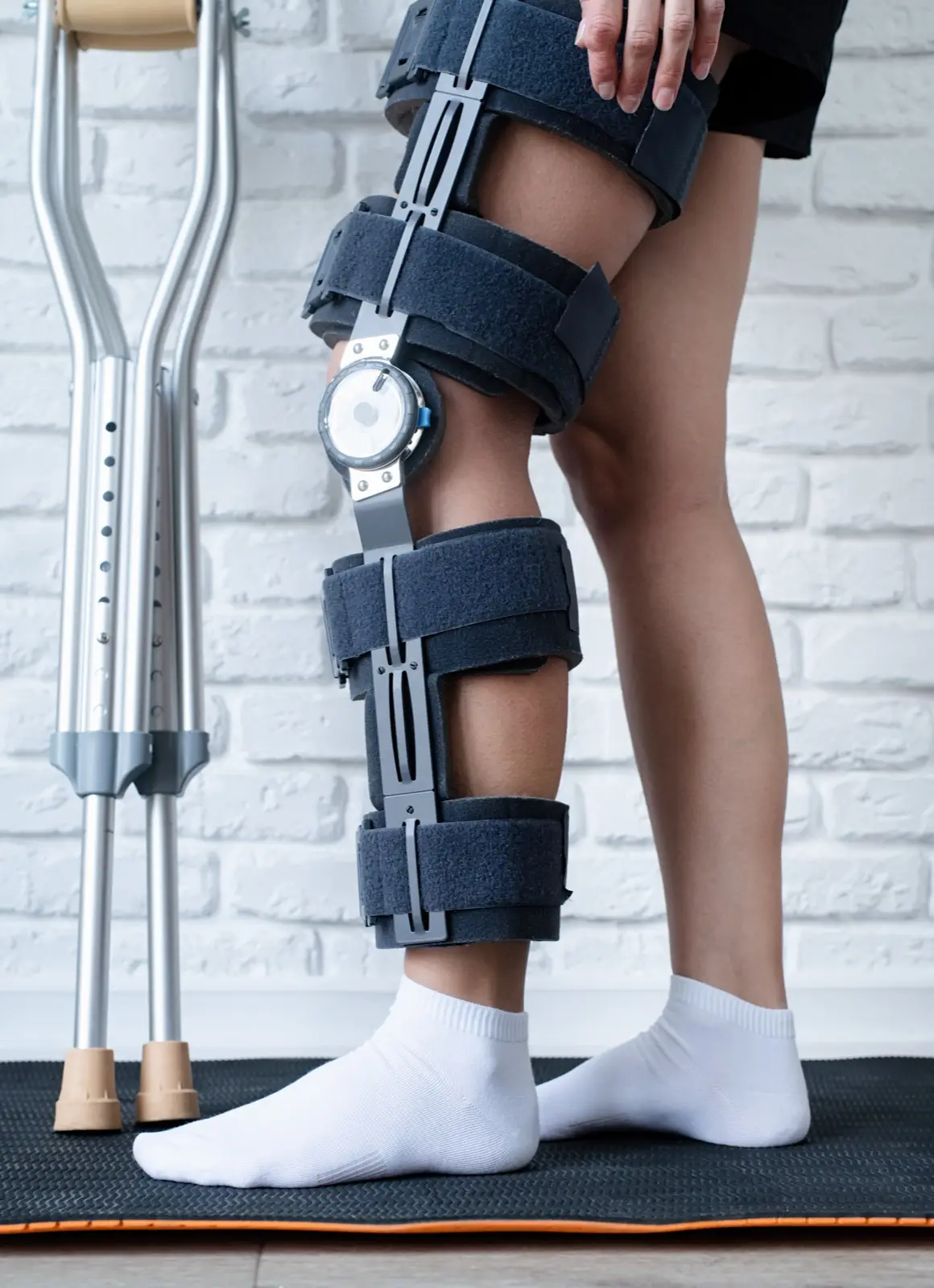
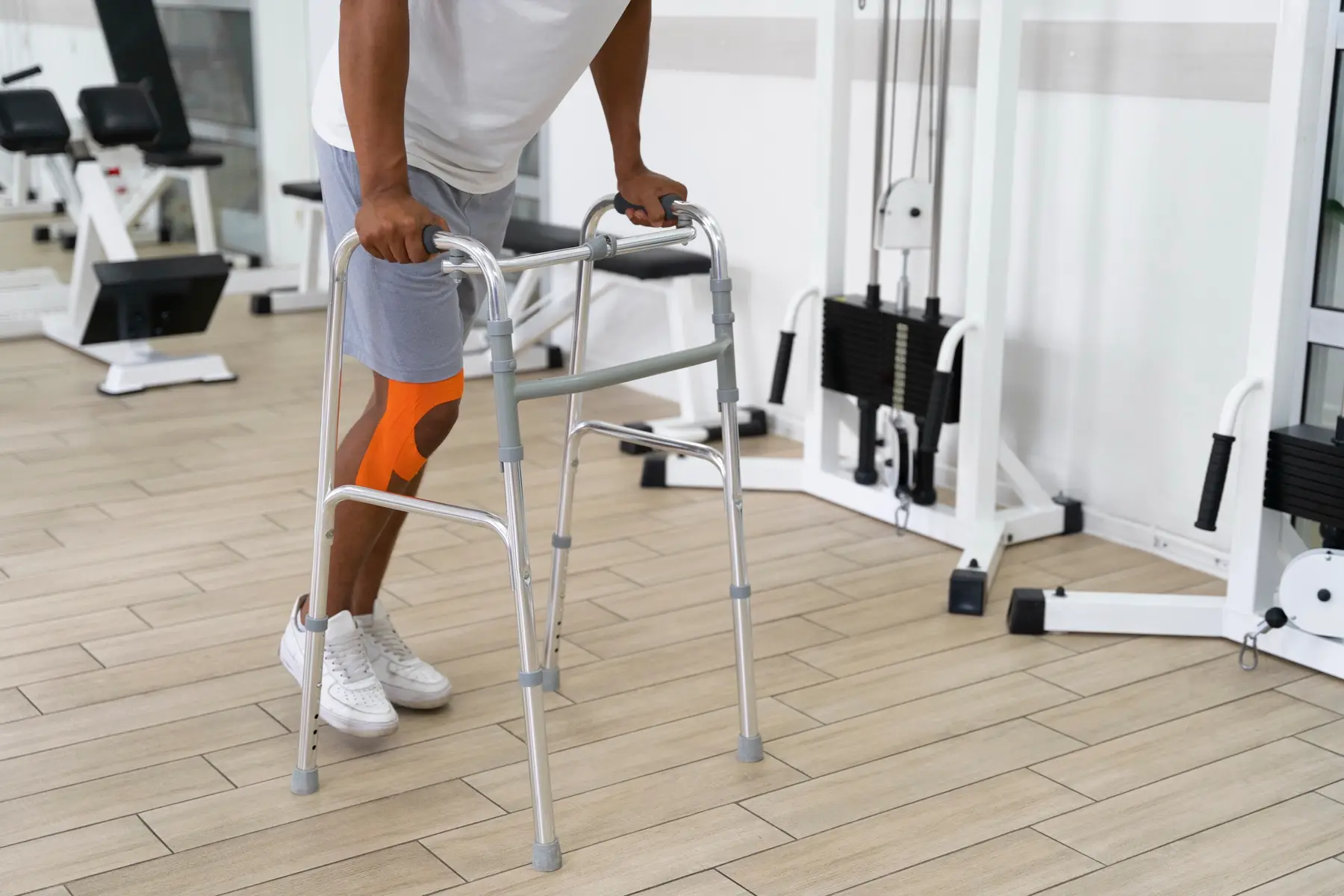
- Week 1In hospital for pain control and the first attempts at moving. Physiotherapy starts immediately and gently. You are taught to use crutches or a walker and, with an external frame, how to clean the pin sites.
- Weeks 2 to 12The distraction phase: the bone is separated about 1 mm a day, in small increments. This is the hardest part. Muscles and nerves are being stretched, pain and tightness increase, and daily physiotherapy is what protects your knees and ankles from stiffening.
- Months 3 to 6Lengthening stops and consolidation begins: the new bone hardens. Weight-bearing rules depend on your device and your X-rays, and only your surgeon can set them. Physiotherapy continues, now focused on strength and range of motion.
- Month 12 and afterThe bone is usually consolidated and an internal nail is typically removed in a minor operation. Most people return to unrestricted activity once X-rays confirm healing. Full functional recovery is measured in months beyond this, not days.
What results are realistic
In the published series of cosmetic lengthening patients, the mean gain was 6.7 cm, with individual results ranging from 1.5 cm to 13 cm across different methods and segments. Height gain, patient satisfaction and function were generally favourable, and serious major complications were uncommon.
The honest caveat from that same review: there are still no agreed indications, contraindications or guidelines for cosmetic stature lengthening. That means the quality of your assessment depends heavily on the individual surgeon rather than on a published standard, and it is the strongest argument for choosing the surgeon slowly.
Judge outcomes by function, not by a photograph. Ask to see patients walking and running on video after recovery, not only standing still in a before-and-after image.
Sources
Figures on this page that come from published research are listed here with the study they come from, so you can check them yourself.
- Marwan Y et al. Cosmetic stature lengthening: systematic review of outcomes and complications. Bone & Joint Research, 2020
- Makvana S, Robertson A, Britten S, Calder P. Consent in Limb Lengthening Surgery: Predicting the True Incidence of Material Risk. Strategies in Trauma and Limb Reconstruction, 2024
- Giotikas Clinic (London): cost and pricing of cosmetic limb lengthening
- Paley Stature Center (Florida): leg lengthening surgery prices, 2026

What we actually do
The travel part is our job
Your surgeon handles the medicine. We handle everything around it: the dates, the hotel, the airport transfers and an interpreter who stays with you at the appointments, so nothing gets lost between languages.
Photo: Engin Yapici / Unsplash
Frequently asked questions
How do I find internationally accredited hospitals for limb lengthening surgery treatments overseas?
Search for hospitals listed on the Joint Commission International (JCI) website. Hospitals like those used by Istanbul European Clinic often adhere to these rigorous standards, ensuring high-quality care for international patients seeking limb lengthening surgery in turkey price options.
What’s included in a typical limb lengthening surgery package in Turkey?
A standard package usually covers the surgical fee, hospital stay (3-5 days), medical tests, and airport transfers. Premium packages may include hotel stays for the distraction phase. Always ask for an itemized breakdown of the limb lengthening surgery turkey cost.
How do I compare limb lengthening surgery pricing across clinics?
When comparing the cost of limb lengthening surgery in turkey, ensure you are comparing “apples to apples.” Check if the price includes the device removal surgery, medication, and physical therapy, as these can significantly add to the final bill.
How do clinics handle complications if they occur after returning home?
Reputable clinics provide long-term remote follow-up. If a complication arises, they should coordinate with your local doctor or advise you to return. Clarify this policy before surgery, as best limb lengthening surgery in turkey providers always have a contingency plan.
How can I verify clinic accreditations and patient reviews before traveling for surgery?
Check if the clinic has JCI or ISO accreditation, which are global standards for safety. For reviews, look beyond the clinic’s website; search independent forums and Google Reviews to read about other patients’ experiences with limb lengthening surgery clinics turkey.
What are the safest ways to arrange a medical trip for limb lengthening surgery in Turkey?
The safest route is to use a certified medical tourism facilitator or contact major accredited hospitals directly. Ensure all communication regarding the limb lengthening surgery in turkey is documented, and request a video consultation with the surgeon before booking flights.
What is the success rate of stature lengthening surgery in Turkey?
Published series report a mean gain of about 6.7 cm, ranging from 1.5 cm to 13 cm depending on the method and the segment; a 2020 systematic review of 795 patients found serious major complications to be uncommon. However, “success” also implies a full return to function, which relies heavily on the patient’s dedication to the painful and lengthy rehabilitation process.
What are the main risks and complications of limb lengthening in Turkey?
The main risks include pin site infections (for external methods), muscle contractures (tightness), delayed bone healing, and nerve injury. Deep vein thrombosis (DVT) is also a risk, which is why blood thinners are often prescribed.
How long until I can walk normally after limb lengthening?
You can walk with crutches immediately or shortly after surgery depending on the method. Walking without any assistance usually happens after the consolidation phase, roughly 9 to 12 months post-surgery, depending on your healing rate.
Is physical therapy included in the surgery cost in Turkey?
Initial physical therapy during the hospital stay is usually included. However, the months of required daily rehabilitation after discharge are often an additional cost, though some premium packages may bundle a set number of sessions.
What is included in an all-inclusive limb lengthening package in Turkey?
Packages typically include the surgery, hospital stay, surgeon fees, anesthesiologist fees, airport transfers, and sometimes hotel accommodation for a short period. Always verify if physical therapy and long-term accommodation are included.
How many inches (or cm) can I realistically gain with limb lengthening in Turkey?
Realistically, you can gain 5-8 cm (2-3 inches) per segment (femur or tibia) safely. Attempting to gain more in a single segment increases the risk of nerve damage and joint stiffness significantly.
Where is the cheapest place to get limb lengthening?
While countries like India may offer lower raw prices, Turkey offers a balance of affordability and European medical standards. When considering the “cheapest,” always factor in safety, hygiene, and the cost of potential complications.
Can you gain 6 inches from limb lengthening?
Gaining 6 inches (approx. 15cm) usually requires two separate surgeries: one on the femurs (thighs) and one on the tibias (shins). Doing this in a single surgery is unsafe; it is typically done in stages with recovery time in between.
What age is best for limb lengthening?
The ideal age is after the growth plates have closed (usually 18-20) but before bone healing slows down significantly (typically under 40-45). Younger adults generally heal faster and adapt better to the physical therapy required.
Is it worth going to Turkey for limb lengthening surgery?
For many, yes. The combination of affordable limb lengthening surgery turkey price, experienced surgeons who perform high volumes of these surgeries, and comprehensive care packages makes Turkey a highly attractive and high-value option.
How risky is limb lengthening?
Like all major orthopedic surgeries, it carries risks such as infection, nerve damage, blood clots, and non-union of the bone. However, these risks are minimized with proper surgical technique, careful patient selection, and diligent rehabilitation.
What is the best country for limb lengthening surgery?
The “best” country depends on your budget and needs. The USA and Germany offer top-tier technology but at very high costs. Turkey is often considered the best value, offering high-quality medical standards and advanced techniques at a fraction of the Western price.
Is it safe to do limb lengthening in Turkey?
Yes, it is generally safe when performed by experienced board-certified surgeons in accredited hospitals. Turkey has a robust medical tourism infrastructure, but safety depends heavily on choosing a reputable clinic and strictly following post-op protocols.
How much is limb lengthening surgery in Turkey?
Coordinated through our partner surgeons it starts from €24,000. What moves it from there is the method (an external frame is the cheapest option, an internal motorised nail such as Precice is the most expensive) and how many segments you lengthen: adding a second pair roughly doubles the surgical cost. For scale, a London clinic's published price for both femurs with a Precice nail is £76,500, and a Florida stature centre charges $104,500 for the same operation. Ask in writing whether the nail removal operation about a year later is included.