
Plastic surgery · coordinated in Istanbul
Plastic surgery in Turkey
Cosmetic surgery is the largest reason people travel to Turkey, and "is it safe?" is the question every page answers with a yes and a photograph. The published data allows a better answer than that, and it points somewhere more useful: in well-selected patients these operations carry low risk, and when they go seriously wrong the causes repeat themselves in a pattern you can actually check for before you book.
Istanbul European Clinic Medical Travel Services is a medical travel coordination company in Istanbul: we work with independent partner plastic surgeons who operate at their own clinics or at accredited hospitals. A bilingual coordinator handles your dates, hotel, transfers and interpreting, while every clinical decision, from whether a procedure suits you to whether it should be done at all, is made independently by your chosen partner surgeon. Istanbul European Clinic does not perform surgery, does not employ surgeons and does not own facilities.
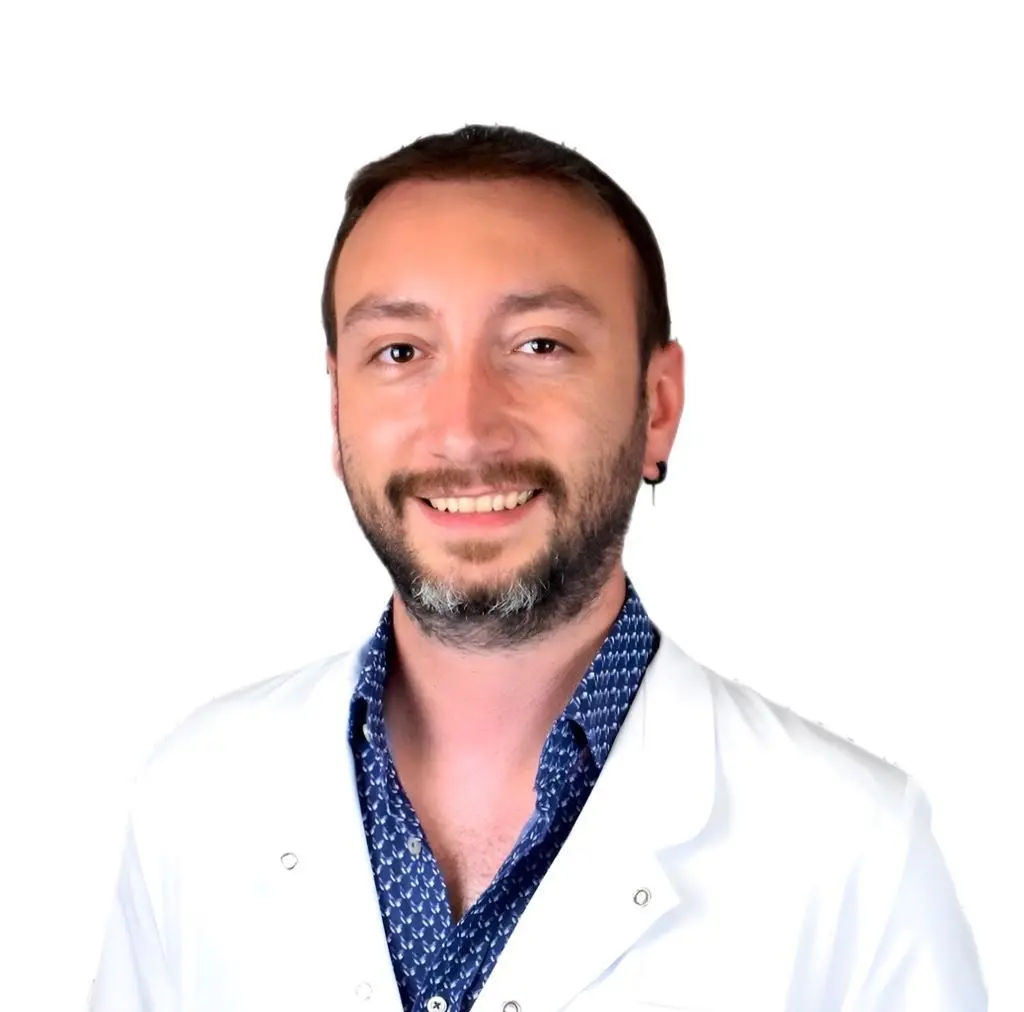
An independent partner surgeon checked the medical claims on this page. What applies to your own case is decided by the surgeon who examines you.
Last reviewed 16 September 2026What cosmetic surgery costs in Turkey
Prices vary by procedure, not by category, so here are the common ones as a guide through our partner surgeons. Each is substantially below UK and US private pricing for the same operation.
| Procedure | Turkey, from | Typical stay |
|---|---|---|
| Liposuction | €2,100 | 5 – 7 days |
| Rhinoplasty | €2,300 | 7 – 10 days |
| Gynecomastia surgery | €2,650 | 5 – 7 days |
| Brazilian butt lift | €2,850 | 7 – 10 days |
| Tummy tuck | €3,150 | 7 – 10 days |
| Mummy makeover | €5,000 | 7 – 10 days |
These are starting guide prices, not fixed packages, and Istanbul European Clinic does not set them. Ask for an itemised quote for your specific procedure and confirm how many nights of post-operative observation are included, because that turns out to matter more than the headline figure.
Is it safe? A better answer than yes
Two published findings together give a more honest picture than any reassurance.
In properly selected patients, elective cosmetic surgery is low-risk. A study of 29,235 combined abdominoplasty and breast procedures found a major complication rate of 1.12% in the acute period, venous thromboembolism at 0.1% and no deaths, with combined procedures no riskier than doing them separately.
When it goes seriously wrong, the causes repeat. A German review of 72 severe liposuction complications, including 23 deaths over five years, found the deaths were driven mostly by bacterial infection (necrotising fasciitis, gas gangrene, sepsis), then haemorrhage, organ perforation and pulmonary embolism.
- The risk factors that review identified are the useful part: insufficient standards of hygiene, infiltration of multiple litres of fluid, discharging patients too early, selection of unfit patients, and lack of surgical experience.
- Read that list again as a description of a business model, not a country. High volume, fast turnover, minimal observation, and taking every patient who pays. Those conditions exist in every market, including expensive ones, and avoiding them is what actually protects you.
- Timing matters more than people expect. In that review, 57 of the 72 severe complications were clinically evident within the first 24 hours. Where you are, and who is watching you, during that first day is not a detail.
So the better question is not "is Turkey safe?" but "does this clinic look like the pattern that produces disasters?" That question has answers you can obtain before you pay a deposit.
Five questions that come straight from the data
Each of these maps onto one of the risk factors above. You are entitled to ask all five, and how a clinic answers is itself information.
- Is the facility accredited, and where can I verify that myself? Hygiene standards were the leading factor behind the fatal infections. A logo on a website is not verification; the accrediting body's own database is.
- How long will I be observed after surgery before going to the hotel? Most severe complications appear in the first 24 hours. "Discharged the same day" is a cost saving that transfers risk to you.
- How many of my specific procedure does this surgeon perform? Lack of experience was named as a notorious contributing factor. General plastic surgery experience is not the same as experience with your operation.
- Do you ever tell patients they are not suitable? Unfit patient selection is on the list. A clinic that has never declined anyone is not screening.
- Who will actually perform the operation, and will I meet them before the day? In high-volume operations the surgeon you consulted is not always the one who operates.
What to plan beyond the surgery
- The flight home. Surgery plus long-haul immobility is the classic setup for a clot. Compression stockings, movement, hydration, and travel only when your surgeon clears it.
- Aftercare where you live. Recovery and any complication happen at home. Know who you would see, and check whether your insurance covers complications of elective surgery abroad, because many policies exclude them outright.
- Revisions. Agree in writing what happens if a result needs correcting, whether that means travelling back, and at whose cost. This is the most common gap between a cheap quote and a complete one.
- Realistic timelines. Final results for most body procedures are judged at 6 to 12 months, not at the two-week photograph. Swelling flatters early results and disappoints people who expected them to be final.
A coordinator arranges the trip around the surgeon you choose; it does not choose your surgeon or your procedure. Istanbul European Clinic Medical Travel Services handles the logistics and introduces you to independent partner plastic surgeons, who make every clinical decision themselves and carry responsibility for the outcome.
Sources
Figures on this page that come from published research are listed here with the study they come from, so you can check them yourself.
What we actually do
The travel part is our job
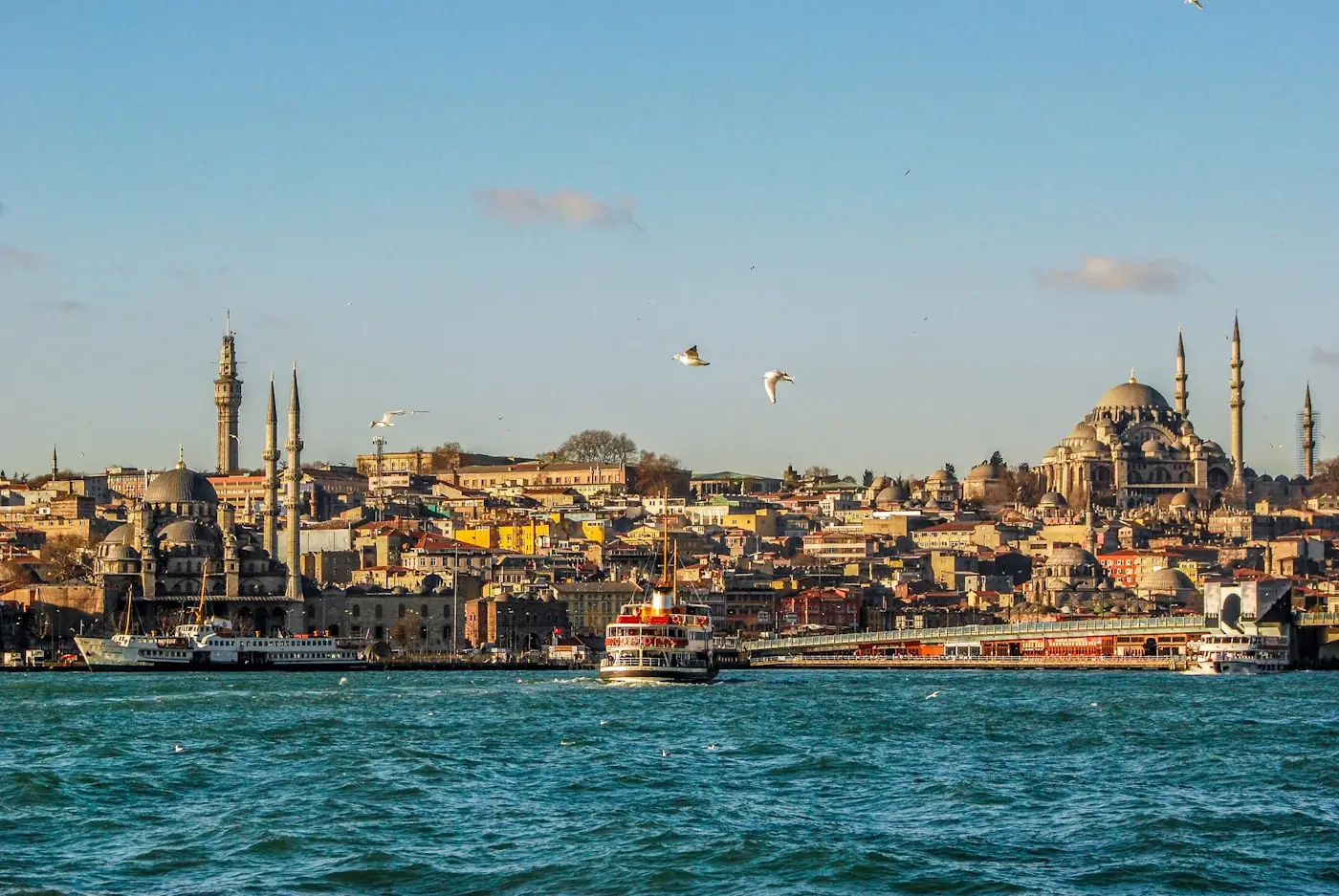
Your surgeon handles the medicine. We handle everything around it: the dates, the hotel, the airport transfers and an interpreter who stays with you at the appointments, so nothing gets lost between languages.
Photo: Engin Yapici / Unsplash
Frequently asked questions
Is plastic surgery in Turkey safe?
It can be, and the honest answer is that the country is not the variable. Two published findings frame it. First, in properly selected patients elective cosmetic surgery is low-risk: a study of 29,235 combined abdominoplasty and breast procedures found a major complication rate of 1.12%, venous thromboembolism at 0.1% and no deaths. Second, when it goes badly wrong the causes are consistent: a German review of 72 severe liposuction complications, including 23 deaths, identified insufficient hygiene standards, excessive infiltration fluid, discharging patients too early, unfit patient selection and lack of surgical experience. Those five things describe a business model, not a country, and they are exactly what you should be assessing.
How much does plastic surgery cost in Turkey?
It depends entirely on the procedure. Through our partner surgeons, as a guide: liposuction from €2,100, gynecomastia from €2,650, rhinoplasty from €2,300, a Brazilian butt lift from €2,850, a tummy tuck from €3,150, and a mummy makeover from €5,000. Each is well below UK and US private pricing. Ask for an itemised quote for your specific procedure rather than working from a category price.
Why is plastic surgery cheaper in Turkey?
Lower cost of living, lower salaries, lower facility overheads and a favourable exchange rate. That part is structural and real, and it is not a comment on surgeon training, many Turkish plastic surgeons are highly experienced and operate at high volume. What the price does not tell you is the hygiene standard, how long you will be observed before discharge, and whether the clinic ever turns patients down. Those are the variables the complication data actually points at.
What should I check before choosing a clinic?
Use the risk factors from the published data as a checklist, because they are all answerable questions: is the facility accredited and can you verify it independently; how long will you be kept and observed after surgery before being sent to a hotel; how many of your specific procedure does this surgeon perform; and do they ever decline patients as unsuitable. A clinic that answers all four plainly is telling you something good. A clinic that will not is also telling you something.
How do I verify a surgeon's credentials in Turkey?
Verify the licence through the Turkish Medical Association, and ask for evidence of specialist plastic surgery training rather than a general medical qualification. Membership of international bodies such as ISAPS is checkable on their own register. Ask how many times a month they perform your specific operation, because plastic surgery sub-specialises and general experience is not the same as experience with your procedure.
How long should I stay in Turkey after plastic surgery?
It varies by procedure, roughly 5 to 7 days for most body and facial procedures, 7 to 10 days for larger or combined operations. The important part is not the minimum but the observation: in the liposuction complication review, 57 of 72 severe complications were clinically evident within the first 24 hours. Being discharged quickly to a hotel is convenient for the clinic and shifts risk to you. Ask how long you will be observed, and do not fly before your surgeon clears it.
What are the risks of a long flight after surgery?
Deep vein thrombosis is the main one, because surgery plus hours of immobility is the classic combination. Wear compression stockings, keep hydrated, walk the cabin regularly and take any prescribed blood thinner exactly as directed. Book the flight only once your surgeon has confirmed the timing, and factor in that you may need help with luggage depending on the procedure.
How are complications handled after I return home?
A reputable partner surgeon provides remote aftercare and detailed records for your local doctor. Be realistic about the limits: a serious early complication needs a hospital where you are, not a video call. Agree the revision policy in writing before surgery, and check whether your travel insurance covers complications of elective surgery abroad, because many policies specifically exclude them.
What is included in an all-inclusive package?
Typically the surgery, hospital nights, pre-op tests, medication, compression garments where relevant, hotel, transfers and interpreting. Flights are usually not included. Two things worth confirming in writing: how many nights of post-operative observation are included, and what happens, and at whose cost, if you need a revision.
How do I compare pricing across clinics?
Compare the same procedure with the same inclusions, then stop comparing on price. For cosmetic surgery the meaningful differences are the surgeon's specific experience, the facility standard and the post-operative observation, none of which appear on a quote. An unusually low price generally reflects volume and speed, which is precisely the pattern the severe-complication data describes.
What procedures is Turkey known for?
Hair transplants, rhinoplasty, body contouring (liposuction, tummy tuck, Brazilian butt lift), dental work and bariatric surgery, largely because the volumes are high and the prices are considerably lower than in Western Europe. High volume means genuine experience in the good clinics, and it also means a market where the fastest and cheapest operators compete on the wrong things.
Why do people travel to Turkey for cosmetic surgery?
Cost, mainly, plus short waiting times, experienced high-volume surgeons and packages that handle the logistics. Those are legitimate reasons. The trade-off is aftercare: recovery and any complications happen where you live, so the question worth asking yourself is not only whether you can save money on the operation, but whether you have arranged what happens in the weeks after it.
How do I choose a plastic surgeon?
On specific experience with your procedure, willingness to say no, and how they discuss risk. A surgeon who examines you, tells you which parts of your goal are not achievable, and raises the things that could go wrong is showing you their judgement. One who agrees to everything and quotes immediately is showing you their sales process. Ask to see results at 6 to 12 months, not fresh photographs.
How do international patients compare accredited clinics?
On the facility accreditation confirmed independently, the surgeon's registration and volumes, the post-operative observation period, and the clarity of the quote. Video consultations with more than one surgeon are worth the time: hearing how differently two surgeons describe the same operation and its risks tells you more than any brochure.
How do I verify accreditation and reviews?
Check accreditation on the accrediting body's own database rather than trusting a badge on a website, verify the surgeon through the Turkish Medical Association, and prefer independent review platforms over a clinic's own gallery. Look for detailed accounts of recovery, not just before-and-after photographs, which are selected by the person showing them to you.
How do I get a personalised quote?
You send photographs relevant to the procedure and a brief medical history, and an independent partner surgeon reviews them and proposes a plan and price. Treat the remote assessment as a screening step: you are examined in person before anything is agreed, and a good surgeon may change the plan or decline the case at that point.
How are accommodation and transport arranged?
Most packages include a hotel near the clinic and transfers between airport, hotel and clinic, arranged around the surgeon you choose. Ask how close the hotel is to the hospital, because if something needs checking in the first days you do not want a long journey across Istanbul.
What is the safest way to arrange the trip?
Either book directly with an accredited hospital or work through a medical travel coordinator that is clear about what it is. Istanbul European Clinic Medical Travel Services is a coordination company: we arrange travel, accommodation, transfers and interpreting and introduce you to independent partner plastic surgeons who assess your case and carry clinical responsibility for it. We do not perform surgery, we do not employ the surgeons and we do not own facilities. Know the name of your operating surgeon before you fly, not after you land.