
Plastic surgery · coordinated in Istanbul
Breast reduction in Turkey
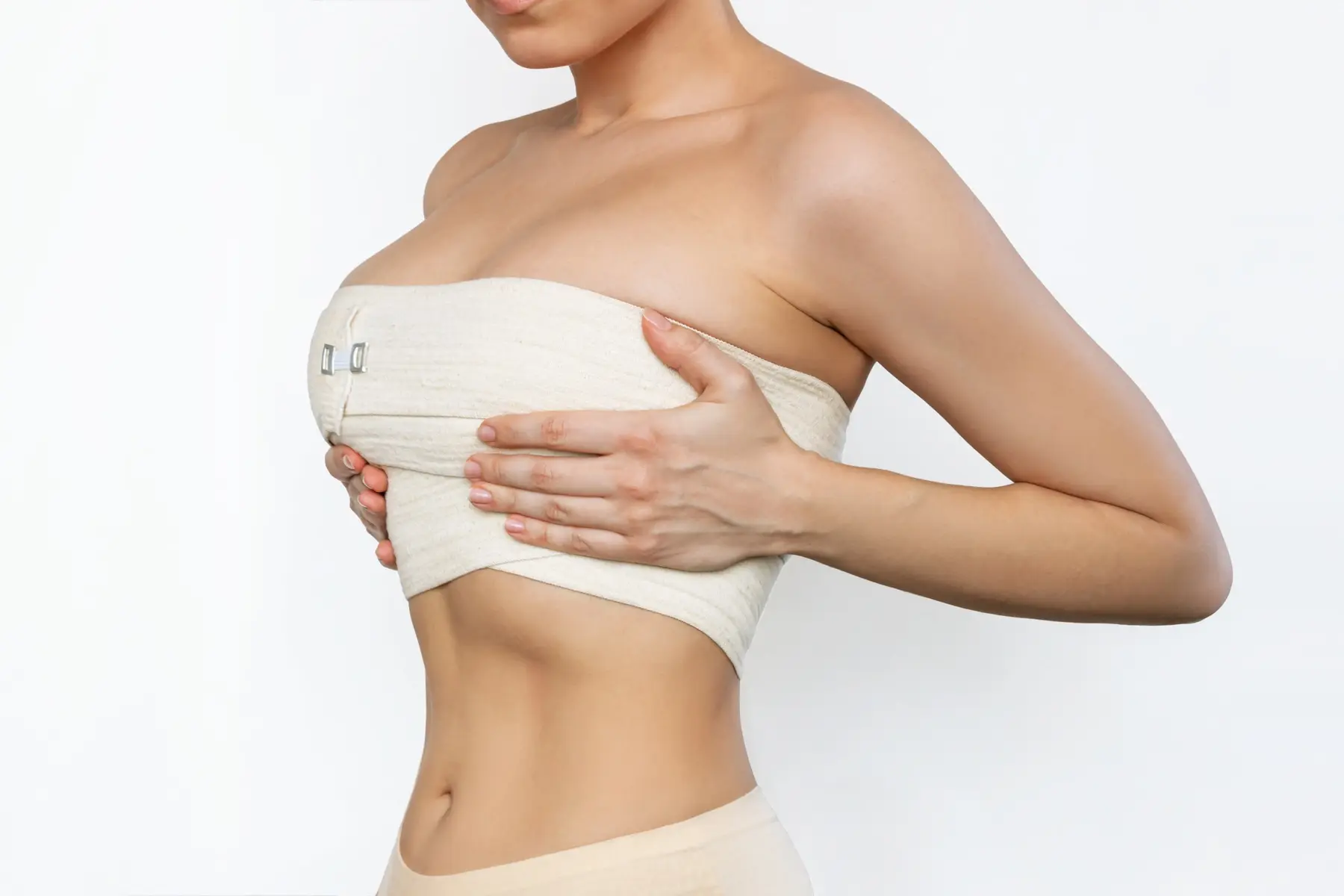
Breast reduction removes breast tissue and skin and reshapes what remains, which also lifts it. Most women come to it with physical symptoms rather than an aesthetic goal: back, neck and shoulder pain, grooving from bra straps, skin irritation, difficulty exercising. That makes it unusual among the operations on this site, because the benefit it delivers has been measured over 15 years and it holds.
Istanbul European Clinic Medical Travel Services is a medical travel coordination company in Istanbul: we work with independent partner plastic surgeons who operate at their own clinics or at accredited hospitals. A bilingual coordinator handles your dates, hotel, transfers and interpreting, while every clinical decision, from how much tissue to remove to which scar pattern suits you, is made independently by your chosen partner surgeon. Istanbul European Clinic does not perform surgery and does not guarantee outcomes.

An independent partner surgeon checked the medical claims on this page. What applies to your own case is decided by the surgeon who examines you.
How much does breast reduction cost in Turkey?
From €2,650 through our partner surgeons, typically covering the surgery, one to two nights in hospital and your transfers. Flights are usually not included.
One thing worth checking at home first: some health systems fund breast reduction when documented symptoms and a minimum tissue-removal threshold are met. Criteria and waiting lists vary widely, and insurance almost never covers surgery you choose to have privately abroad, but it is worth knowing whether you qualify before paying for it yourself.
The relief lasts, and that has been measured
Most cosmetic surgery is judged on appearance, which is subjective and fades from the conversation over time. Breast reduction has been followed for longer and measured differently, on whether the physical symptoms actually went away and stayed away.
| Years after surgery | Reported marked symptom relief | Satisfaction trend |
|---|---|---|
| 5 years | 75% | No significant decline over time |
| 10 years | 82% | No significant decline over time |
| 15+ years | 82% | No significant decline over time |
- The relief does not wear off. Symptom relief was as high at 15 years as at 10, and satisfaction showed no significant decline across the groups.
- Further surgery is uncommon. Only 6.5% of patients in that study had additional breast surgery, and a couple of those were repeat reductions after weight gain.
- Which is why weight stability matters. The operation removes tissue; significant weight gain afterwards can bring symptoms back, and it is the one variable largely in your hands.
This page previously claimed a "90% to 95%" success rate with no source. The figures above are more useful because they measure the thing you actually want: whether the back and shoulder pain that brought you here is still gone a decade later.
The two honest trade-offs
Neither of these should be discovered after surgery.
- The scars are permanent. The common patterns are a lollipop (around the areola and vertically down) or an anchor (those plus a line in the breast crease). They fade over a year or more and are largely hidden by a bra or swimwear, unlike an arm lift scar, but they do not disappear. Ask to see exactly where yours will sit, and ask to see photographs at a year rather than fresh.
- Breastfeeding cannot be guaranteed afterwards. The surgery can affect milk ducts and nipple sensation. Many women do breastfeed after a reduction; some cannot. If it matters to you, say so clearly at the consultation, because it can change the technique chosen and sometimes the timing of surgery altogether.
Altered or lost nipple sensation is also possible and usually partial. A surgeon who raises all three of these before you ask is giving you the information you need to decide, rather than the version that closes the sale.
Recovery and what to plan
- Week 1One to two nights in hospital, drains removed if used, then rest. Support bra worn constantly, no lifting or reaching overhead, and a wound check before you fly home.
- Week 2Most people are back to desk work. Still no lifting, still in the support bra, and the incisions still healing at the junctions where healing problems are most likely.
- Weeks 4 to 6Normal activity and upper-body exercise resume on your surgeon's clearance. Swelling continues to settle.
- Months 6 to 12Final shape settles and scars pale from red toward white. Judge the result and the scars here, not in the first weeks.
Plan about 7 days in Turkey. On the flight, keep the support bra on, stay hydrated, walk the cabin, and arrange help with luggage, because lifting a bag into an overhead locker is exactly what healing incisions cannot take. Smoking substantially raises the risk of wound-healing problems, which is why surgeons ask you to stop before and after.
Sources
Figures on this page that come from published research are listed here with the study they come from, so you can check them yourself.
What we actually do
The travel part is our job
Your surgeon handles the medicine. We handle everything around it: the dates, the hotel, the airport transfers and an interpreter who stays with you at the appointments, so nothing gets lost between languages.
Photo: Engin Yapici / Unsplash
Frequently asked questions
How much does breast reduction cost in Turkey?
Through our partner surgeons it starts from €2,650, typically covering the surgery, one to two nights in hospital and your transfers. Flights are usually not included. Ask whether the quote assumes reduction alone or reduction combined with a lift, and what the policy is on scar revision.
Does the benefit last?
Yes, and this is what separates breast reduction from most cosmetic surgery: it is a functional operation and the relief holds. A study following patients out to 15 years and beyond found marked symptom relief reported by 75% at 5 years, 82% at 10 years and 82% at 15 or more years, with satisfaction showing no significant decline over time. Only 6.5% needed further breast surgery. For back, neck and shoulder pain caused by breast weight, this is a durable fix rather than a temporary improvement.
Is breast reduction cosmetic or medical?
Both, and mostly medical in effect. Women having it usually come with physical symptoms: back, neck and shoulder pain, grooving from bra straps, skin irritation under the breast, difficulty exercising and problems finding clothes that fit. The operation addresses those directly, which is why the symptom relief above is measured rather than assumed, and why some health systems fund it when symptoms are documented.
Will my insurance cover it?
Sometimes at home, rarely abroad. Some public and private systems fund breast reduction when documented symptoms and a minimum tissue removal threshold are met, though criteria and waiting lists vary widely. Insurance almost never covers surgery you choose to have privately in another country, and many policies also exclude complications of elective surgery abroad. Check both before you travel, and keep your medical documentation in case you need it later.
Will I have visible scars?
Yes, and you should see exactly where before agreeing. The two common patterns are a lollipop (around the areola and vertically down) and an anchor (those plus a line in the breast crease). Scars are permanent, fade over a year or more, and are largely hidden by a bra or swimwear, unlike an arm lift scar. Most women judge the trade worthwhile given the symptom relief, but it is a trade and it should be made knowingly.
Can I breastfeed afterwards?
Possibly, but it cannot be guaranteed, and this deserves a proper conversation rather than a reassuring line. Breast reduction can affect milk ducts and nipple sensation, and while many women do breastfeed after surgery, some cannot. If you may want to breastfeed in future, say so clearly at the consultation: it can influence the technique chosen, and in some cases it is a reason to delay surgery until after you have finished having children.
How long is recovery?
Most people return to desk work in about 2 weeks and to normal activity by 4 to 6 weeks, with a support bra worn for several weeks. Swelling takes months to settle, so the final shape and scar appearance are judged at 6 to 12 months. Upper-body exercise resumes on your surgeon's clearance rather than a generic schedule.
How long do I stay in Turkey?
Plan about 7 days: the surgery, one to two nights in hospital, drain removal if drains are used, and a wound check before you fly. Do not book the return flight before your surgeon has cleared it, and wear the support bra for the journey.
What are the risks?
The usual surgical ones (bleeding, infection, wound-healing problems along the incisions), plus procedure-specific ones: altered or lost nipple sensation, asymmetry, and in rare cases problems with nipple blood supply. Wound healing at the junction of the incisions is the most common nuisance. Smoking substantially increases healing complications, which is why surgeons ask you to stop.
Can I combine it with a lift?
Reduction inherently includes lifting: removing tissue and reshaping the breast raises it, so a separate lift is usually unnecessary. If someone is quoting you for both as though they were separate procedures, ask exactly what the extra step involves and why it is needed in your case.
What are the risks of a long flight afterwards?
Deep vein thrombosis is the main concern after surgery plus long-haul immobility. Stay hydrated, walk the cabin, and follow advice on compression stockings. Keep the support bra on, and arrange help with luggage, because lifting a bag overhead is exactly what healing breast incisions cannot take.
What is included in a package?
Typically the surgery, one to two nights in hospital, a support bra, medication, hotel, transfers and interpreting. Confirm whether drains are used and removed before you fly, and what the policy is if a scar needs revising, which is the most common reason for a later procedure.
How do I choose a surgeon?
On specific experience with reduction, the scar pattern they propose and why, and results shown at a year rather than fresh. Ask how they decide how much tissue to remove: a surgeon who discusses your symptoms and proportions rather than just a cup size is treating the problem you actually have.
Are surgeons in Turkey board-certified?
Many are, and you can verify it. Check the licence through the Turkish Medical Association and ask for evidence of specialist plastic surgery training rather than a general medical qualification. Membership of international bodies such as ISAPS is checkable on their own register. Verify rather than take the website at face value.
Why is breast reduction cheaper in Turkey?
Lower cost of living, salaries and facility overheads, plus a favourable exchange rate. It is not a different operation. The thing worth checking is not the price but the plan: how much tissue is being removed, which scar pattern, and whether the surgeon has discussed breastfeeding and sensation with you honestly.
Is it safe to have breast reduction in Turkey?
It is a standard plastic surgery procedure performed to a high standard in accredited Turkish hospitals. As with any surgery abroad, safety depends on the surgeon, the facility and your aftercare rather than the country. The specific point for reduction is wound healing: the incisions are long and take weeks, so know who will check them at home if something looks wrong.
How are complications handled after I return home?
A reputable partner surgeon provides remote aftercare and records for your local doctor. Ask specifically about wound-healing problems, the most likely issue, and about the scar revision policy, including whether it would mean travelling back and at whose cost.
How do I compare pricing across clinics?
Compare the same operation, including hospital nights, drains, garments and follow-up. Then look past the total: for reduction the meaningful differences are the surgeon's judgement about how much to remove and where the scars sit, which shape your result and are not visible on a quote.
What is the best age for breast reduction?
There is no fixed age. It is usually done once breast development is complete and, ideally, once weight is stable, since significant weight change alters the result. If you plan to have children and want to breastfeed, that is worth weighing in the timing, because pregnancy changes the breasts again and reduction can affect breastfeeding.
How do I verify the clinic and reviews?
Confirm accreditation on the accrediting body's own database, verify the surgeon through the Turkish authorities, and prefer independent review platforms over a curated gallery. Ask to see scar results at 12 months or more, because scars are red and obvious early and pale considerably over the first year.
How do I get a personalised quote?
You send photographs and a brief medical history including your symptoms, bra size and any plans for pregnancy. An independent partner surgeon reviews them and proposes a technique, scar pattern and price. Treat it as a screening step: you are examined in person before anything is confirmed.
What is the safest way to arrange the trip?
Either book directly with an accredited hospital or work through a medical travel coordinator that is clear about what it is. Istanbul European Clinic Medical Travel Services is a coordination company: we arrange travel, accommodation, transfers and interpreting and introduce you to independent partner plastic surgeons who assess your case and carry clinical responsibility for it. We do not perform surgery and we do not employ the surgeons. Have the scar pattern and the breastfeeding conversation before you fly, not after.