
Plastic surgery · coordinated in Istanbul
Gynecomastia surgery in Turkey
Gynecomastia is enlarged male breast tissue, and the word covers two different things: firm glandular tissue and soft fat. That distinction decides the operation, because liposuction removes fat but cannot remove gland. Getting the technique right is the difference between a flat chest and a smaller chest with a lump still under the nipple, and the published data shows it also changes your complication risk substantially.
Istanbul European Clinic Medical Travel Services is a medical travel coordination company in Istanbul: we work with independent partner plastic surgeons who operate at their own clinics or at accredited hospitals. A bilingual coordinator handles your dates, hotel, transfers and interpreting, while every clinical decision, from why you have gynecomastia to which technique treats it, is made independently by your chosen partner surgeon. Istanbul European Clinic does not perform surgery and does not guarantee outcomes.

An independent partner surgeon checked the medical claims on this page. What applies to your own case is decided by the surgeon who examines you.
How much does gynecomastia surgery cost in Turkey?
From €2,650 through our partner surgeons, typically covering the surgery, one night in hospital and your transfers. Flights are usually not included.
The variable that matters is not the headline price but what operation it assumes. A quote based on liposuction alone is cheaper and, for most true gynecomastia, incomplete. Ask in writing whether the price covers liposuction only or liposuction combined with excision of the gland, and what happens if a revision is needed.
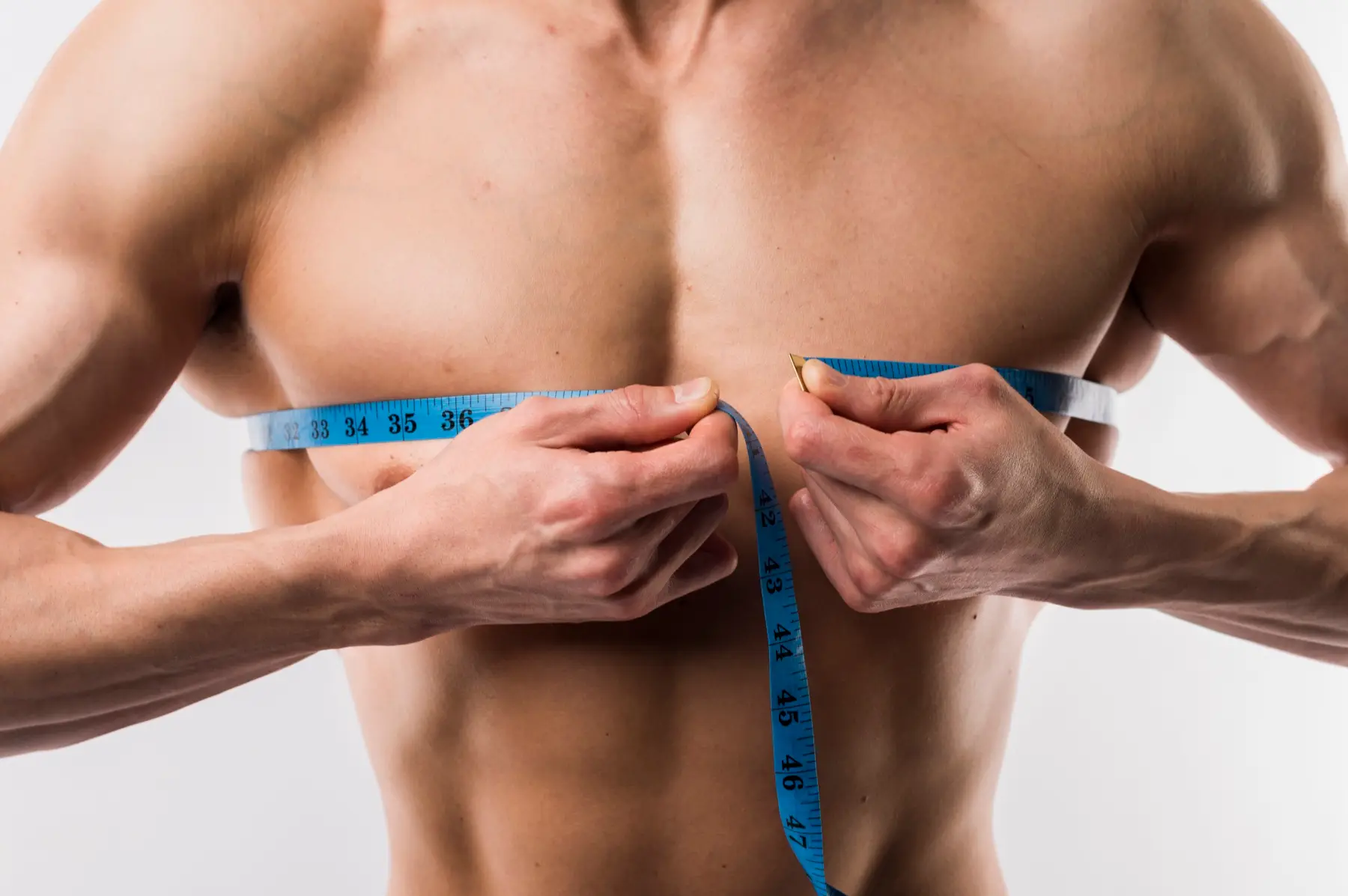
The technique changes your complication risk threefold
Most pages treat the choice between liposuction and excision as a technical footnote. A 2022 systematic review of 94 studies covering 7,294 patients shows it is the single biggest variable in how the operation goes.
| Technique | Complication rate | What it removes |
|---|---|---|
| Liposuction alone | 14.87% | Fat only, not glandular tissue |
| Surgical excision alone | 30.64% | The gland, but leaves fat contour issues |
| Combined excision and liposuction | 11.76% | Both, and the lowest complication rate |
- Liposuction alone often leaves the lump. True gynecomastia contains firm glandular tissue that suction cannot remove. The chest gets smaller, the hard disc under the nipple stays, and that is the most common reason men are disappointed.
- Excision alone has the highest complication rate, at 30.64%, driven mostly by haematoma, a collection of blood under the skin that accounted for about 22.9% of all complications in the review.
- The combination is both the most complete and the safest in this data, at 11.76%. The review authors concluded that adding liposuction to excision reduces complications compared with excision alone.
One caveat the authors themselves raise: the studies use no uniform classification of complications, so treat any single precise percentage with caution. The direction of the finding is more reliable than the decimal places, and the direction is clear.
Ask why you have it before you agree to surgery
Gynecomastia is sometimes a condition in its own right and sometimes a symptom of something else. That distinction is often skipped, and it should not be.
- Medication is a common cause. Some drugs used for blood pressure, prostate problems, reflux and depression can cause breast tissue to grow. If one of yours is responsible, changing it may reduce the tissue without surgery.
- Hormonal imbalance can be the driver, and it is checkable with blood tests. In some cases treating the cause changes what surgery, if any, you need.
- Anabolic steroid use is a frequent cause in men who train, and it matters twice: it explains the gynecomastia, and continuing it is the most common reason the tissue comes back after surgery. This conversation is worth having honestly with your surgeon rather than around them.
- Adolescent gynecomastia often resolves on its own. In teenagers it commonly settles within a couple of years, and waiting is frequently the right advice rather than operating early.
A surgeon who asks about your medications, your training and your history, or orders blood tests before operating, is treating the problem rather than the appearance. One who quotes a price without asking any of it is selling a procedure.
What to expect from recovery
- Week 1Usually one night in hospital, then rest. Swelling and bruising, compression vest worn constantly, and a check before you fly. Most people manage desk work by the end of the week.
- Weeks 2 to 3Light activity resumes and the bruising fades. Still wearing compression, still no chest or upper-body training, and still nothing heavy lifted with the arms.
- Weeks 4 to 6Chest and upper-body exercise usually resumes on your surgeon's clearance. Going back earlier risks bleeding, swelling and a poorer contour, which is a bad trade for a few weeks.
- Months 3 to 6Swelling fully resolves and the final contour appears. Scars continue to fade for a year or more. Judge the result here, not at week three.
Results are generally permanent once the gland is removed, with two conditions: the underlying cause must be addressed, particularly ongoing steroid use, and your weight needs to stay reasonably stable.
Sources
Figures on this page that come from published research are listed here with the study they come from, so you can check them yourself.

What we actually do
The travel part is our job
Your surgeon handles the medicine. We handle everything around it: the dates, the hotel, the airport transfers and an interpreter who stays with you at the appointments, so nothing gets lost between languages.
Photo: Engin Yapici / Unsplash
Frequently asked questions
How much does gynecomastia surgery cost in Turkey?
Through our partner surgeons it starts from €2,650, which typically covers the surgery, the hospital stay and your transfers. Flights are usually not included. Ask whether the quote assumes liposuction alone or liposuction combined with excision of the gland, because those are different operations with different results, and the difference matters more than a few hundred euros.
Which technique is used, liposuction or excision?
This is the most important question on the page, and the published data answers it clearly. A 2022 systematic review of 94 studies and 7,294 patients found complication rates of 14.87% for liposuction alone, 30.64% for surgical excision alone, and 11.76% for the two combined. The authors concluded that combining excision with liposuction reduces complications compared with excision alone. Most true gynecomastia contains firm glandular tissue that liposuction cannot remove, so liposuction by itself often leaves a lump behind, while excision by itself has the highest complication rate. The combined approach is usually the answer, and a surgeon who explains which they plan to use, and why, is telling you they have assessed your case.
What is the most common complication?
Haematoma, a collection of blood under the skin, which accounted for about 22.9% of all complications in that review and occurred predominantly after excision alone. It is usually managed, sometimes with a return to theatre to drain it. Other issues include seroma, altered nipple sensation, asymmetry and contour irregularity. Worth knowing: the review authors acknowledged the evidence base is inconsistent, with no uniform classification across studies, so treat any single precise percentage with appropriate caution.
Should I find out why I have gynecomastia first?
Yes, and this is often skipped. Gynecomastia can be caused by hormonal imbalance, certain medications (including some used for blood pressure, prostate problems and depression), anabolic steroid use, and occasionally an underlying medical condition. Some of those causes are treatable, and in some cases the breast tissue reduces once the cause is addressed. A surgeon who asks about your medications and history, or suggests blood tests before operating, is doing the right thing. Operating without asking why is treating the symptom.
Are the results permanent?
Generally yes, once the gland is removed it does not grow back, but that comes with conditions. Recurrence is more likely if the underlying cause continues, particularly ongoing anabolic steroid use or an untreated hormonal problem, and significant weight gain can change the chest contour again. Removing the gland is permanent; keeping the result depends on what caused it in the first place and on your weight staying stable.
Will I have visible scars?
Usually small ones. When liposuction is used, the incisions are a few millimetres and easily hidden. When gland is excised, the incision is normally placed at the edge of the areola where the colour change helps disguise it. Scars are permanent but typically discreet on the chest. If a large amount of skin needs removing, as after major weight loss, the scars are longer, and an honest surgeon shows you where they will be before you agree.
How long is recovery?
Most people are back to desk work within a week and to light activity in 2 to 3 weeks. A compression vest is worn for several weeks to help the skin settle. Swelling takes months to fully resolve, so the final contour is judged at 3 to 6 months, not at 3 weeks. Chest and upper-body exercise waits for your surgeon's clearance.
When can I go back to the gym?
Light lower-body activity and walking usually resume within a couple of weeks, but chest and upper-body training waits longer, commonly 4 to 6 weeks, and your surgeon sets the timeline based on how you are healing. Going back too early risks bleeding, swelling and a worse contour. If you use anabolic steroids, that conversation needs to happen honestly before surgery, because continuing them is the most common reason the problem returns.
How long do I stay in Turkey?
Plan about 5 to 7 days: the surgery, usually one night in hospital, a check before you fly, and time for the first dressing change. Do not book the return flight before your surgeon has confirmed it, and wear the compression garment on the flight.
What are the risks of a long flight afterwards?
The main one is deep vein thrombosis from sitting still after surgery. Stay hydrated, walk the cabin, and follow any advice on compression stockings or blood thinners. Keep the compression vest on, and avoid lifting heavy bags with your arms, which is exactly the movement that stresses a healing chest.
How do I choose a gynecomastia surgeon?
Ask which technique they use and why for your specific case, how many gynecomastia procedures they perform, and to see results from men with a similar starting point (grade of gynecomastia and skin quality). A surgeon who examines you, asks about medications and steroid use, and explains whether you need excision as well as liposuction is assessing you. One who quotes a price without that conversation is selling a package.
What is included in an all-inclusive package?
Typically the surgery, one night in hospital, the compression garment, medication, hotel, transfers and interpreting. Confirm in writing whether the price assumes liposuction only or liposuction plus gland excision, since that is the main variable, and what happens if a revision is needed.
Why is gynecomastia surgery cheaper in Turkey?
Lower cost of living, lower salaries and a favourable exchange rate, the same as across Turkish medical travel, not a cheaper operation. The thing to watch is not the price but the plan: a quote based on liposuction alone will be cheaper and may leave the firm glandular tissue behind, which is the most common reason men are disappointed with the result.
Is Turkey a good place for gynecomastia surgery?
It can be. Turkish plastic surgeons perform this operation in high volumes and the cost difference is real. As with any cosmetic surgery abroad, the outcome depends on the surgeon you choose and the standards of the facility, not the country, and on whether anyone bothered to establish why you have gynecomastia before operating on it.
How do complications get handled after I return home?
A reputable partner surgeon provides remote aftercare and records for your local doctor. Ask specifically about revision policy: contour irregularity or a small residual lump is the most common reason for a second procedure, and you want to know in advance whether that would mean travelling back and at whose cost.
How do I verify the clinic and surgeon before travelling?
Confirm the hospital or clinic accreditation on the accrediting body's own database, verify the surgeon's licence through the Turkish authorities, and prefer independent review platforms over a curated gallery. Ask to see before-and-after results at 6 months or later, because early photographs still show swelling that flatters the contour.
How do I get a personalised quote?
You send photographs of your chest from the front and sides and a brief medical history including any medications and supplements. An independent partner surgeon reviews them and proposes a technique and price. Treat it as a screening step: you are examined in person before anything is confirmed, and the plan can change once the surgeon feels how much of the tissue is glandular rather than fat.
How are accommodation and transport arranged?
Most packages include a hotel near the clinic and transfers between airport, hotel and clinic, arranged by a coordinator around the surgeon you choose. Istanbul European Clinic Medical Travel Services handles that side of the trip; the surgeon, the technique and whether the underlying cause has been investigated are what decide your result.