
Zirconium crowns · coordinated in Istanbul
Zirconium crowns in Turkey
A zirconium crown is a cap made of zirconium dioxide, a tooth-coloured ceramic with no metal in it. Clinics sell it hard, usually as the strongest and most natural option at once, and it is a genuinely good crown. But that pitch runs three separate things together, strength, longevity and appearance, and they are not the same measurement. This page is about where zirconium is the right choice and where it is not.
Istanbul European Clinic Medical Travel Services is a medical travel coordination company in Istanbul: we work with independent partner dentists who treat you at their own clinics or at accredited hospitals. A bilingual coordinator handles your dates, hotel, transfers and interpreting, while every clinical decision, including whether zirconium is the right material for a given tooth, is made independently by your chosen partner dentist. Istanbul European Clinic does not perform treatment and does not guarantee outcomes.
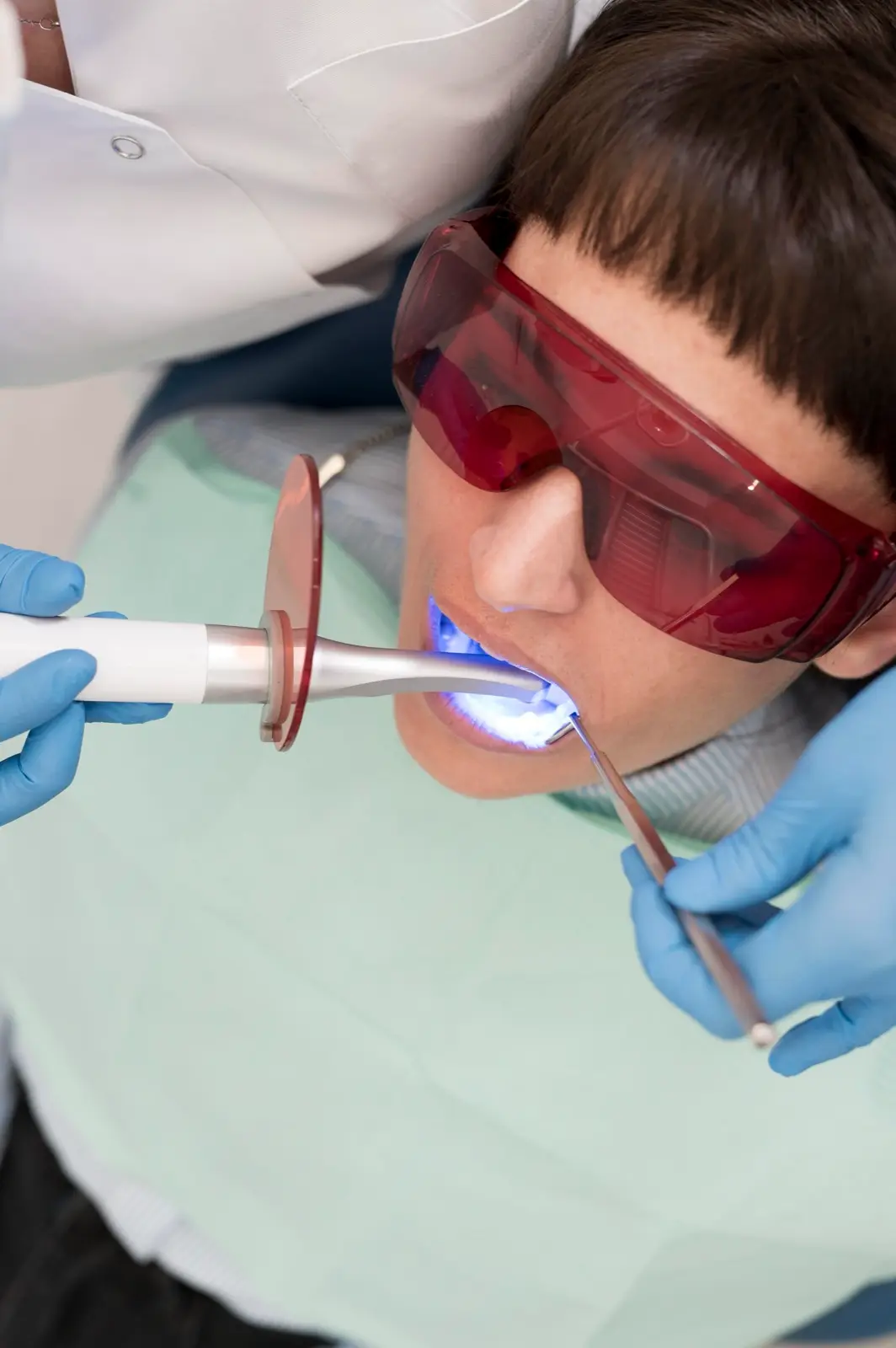

An independent partner dentist checked the medical claims on this page. What applies to your own case is decided by the dentist who examines you.
How much does a zirconium crown cost in Turkey?
A zirconium crown through the independent partner dentists we coordinate with in Istanbul starts from €150 per tooth. Zirconia is a premium material, so it sits above simpler crowns like metal-ceramic everywhere, and the figures below show the same tier priced in three countries.
| Where | Per tooth | Notes |
|---|---|---|
| Turkey, partner clinics | from €150 | Zirconia, per tooth. A market-standard figure; confirm the brand and whether it is monolithic or layered |
| United Kingdom | £800 – £1,200 | Zirconia sits at the top of the private crown range |
| United States | $1,000 – $2,500 | Zirconia, averaging around $1,500 |
The UK and US figures are per-tooth zirconia prices from dentist-reviewed 2026 cost guides. The €150 Turkey figure is a market-standard starting price rather than a fixed quote, so treat it as the number to confirm, not the number to assume: ask which zirconia is used and whether it is monolithic or layered, because that changes both the look and the price. Turkey is genuinely cheaper for the same material, but a low price and a named, comparable zirconia are two different assurances.
What zirconium is genuinely good at
Zirconium has real strengths, and it is worth being clear about them before the caveats, because they are the reason it is so widely used.
- No metal, so no grey line. Metal-ceramic crowns can show a dark margin at the gum as it recedes over the years. Zirconia has no metal core, so it does not, which matters most on a visible tooth.
- Biocompatible. Zirconium dioxide is well tolerated by the body and is a sensible option for anyone who reacts to metals. Gum irritation from the crown material itself is uncommon.
- Strong under load. The core material has high fracture resistance, which is why zirconia is a favourite for back teeth that take heavy chewing forces and for people who grind.
- Tooth-coloured. It can be matched to natural teeth, and solid, monolithic zirconia is hard to chip, which suits molars well.
These are the honest reasons to choose zirconium, and for a back tooth they often make it the best pick outright. The next section is about the point where the marketing overreaches.
Where "zirconium is the best" quietly overreaches
The claim to watch is that zirconium is the strongest, so it lasts longest and is the best crown you can get. Strength, longevity and appearance are three different measurements, and zirconium does not top all three.
This page carried an unsourced "90% to 95% success" figure before we rebuilt it. In its place, the 2015 study in Dental Materials that pooled 14,097 crowns on natural teeth measured 5-year survival by material.
| Material | 5-year survival |
|---|---|
| Lithium disilicate (E-max) | 96.6% |
| Metal-ceramic | 94.7% |
| Zirconia | 92.1% |
- Zirconia had the lowest 5-year survival of the three, not the highest. It is the strongest as a raw material, but in this dataset E-max and metal-ceramic outlived it. Strength of the material is not the same as the crown surviving longer in the mouth.
- Layered zirconia can chip. When porcelain is layered over a zirconia core for a better look, that porcelain can fracture. Solid monolithic zirconia largely fixes the chipping, but it can look less lifelike than E-max on a front tooth. You often trade appearance for durability, or the other way round.
- On implants, the trade shows up as fracture. A 2018 review found zirconia a valid alternative to metal-ceramic with fewer aesthetic problems, but with the zirconia material itself fracturing more often, 2.1% against 0.2%. Its documented weak point is fracture, not the gum or the bite.
The point is not that zirconium is bad, it is excellent for the right tooth. The point is that strongest has been stretched to mean longest-lasting and best-looking, and the data does not support the stretch. Which crown is best is a per-tooth question, answered next.
Zirconium or E-max: matching the material to the tooth
The useful way to choose is not zirconium versus E-max in the abstract, but which tooth is being restored. They are good at different jobs, and many dentists use both in the same mouth.
- Back teeth (molars and premolars): these take the heaviest chewing load, so the strength of zirconia is the priority. Monolithic zirconia is a strong, sensible default here, and the slightly lower translucency matters little on a tooth nobody sees.
- Front teeth (the smile line): appearance is the priority, and E-max, with its enamel-like translucency, often looks the most natural. It also had the highest 5-year survival in the data, so on front teeth you are not trading longevity for looks.
- Grinders and clenchers: heavy bruxism favours the fracture resistance of monolithic zirconia, sometimes with a night guard whatever the material.
- A mixed mouth is normal: using E-max on the visible front teeth and zirconia on the load-bearing back teeth is a common, sensible plan, not an upsell.
So there is no single best crown, only the best crown for a given tooth. For the wider comparison across all the materials, including metal-ceramic, see the general dental crowns in Turkey guide. A dentist who assigns materials by position is doing exactly what the evidence points to.
Who zirconium crowns suit, and what to accept
- Damaged, cracked or worn teeth needing full coverage. Where a tooth needs a cap rather than a veneer, zirconia is a strong option, particularly at the back.
- Anyone wanting metal-free, or reacting to metals. The biocompatible, no-grey-line qualities are a real advantage here.
- Enough healthy tooth and gum. The crown needs sound support; gum disease or decay is treated before the crown, not covered by it.
- Accept that the tooth is shaved down. Fitting the crown removes a permanent layer of the natural tooth all round. This is the trade for full-coverage protection, and it does not reverse.
- Accept the aesthetic limit on front teeth. If a front tooth is the concern, ask honestly whether monolithic zirconia or E-max will look better in your case; sometimes it is E-max.
A partner dentist who recommends E-max for a front tooth, or fewer crowns than you asked for, is matching the treatment to the evidence rather than to the invoice. That conversation is the useful part of the consultation.
The timeline
A zirconium crown is usually one trip. The appointment is short; settling in takes a little longer.
- Days 1 to 2Consultation, shade and bite planning, and preparation of the tooth. A temporary crown is fitted while impressions or a digital scan go to the laboratory.
- Days 3 to 7The zirconia crown is milled and finished, then fitted, adjusted and cemented, with a bite check. This is why a stay of about 5 to 7 days is usual.
- Week 1Some sensitivity to hot and cold and mild gum tenderness, usually settling within a few days with a softer diet and careful brushing.
- Weeks 2 to 3The crown begins to feel like your own tooth. A bite that feels high is a quick adjustment, ideally before you fly home.
- Months 3 to 6The gum settles around the margin. Daily cleaning and flossing around the crown protect the natural tooth underneath.
- Year 1 and beyondThe crown works like a natural tooth. Regular check-ups watch the margin for decay and the gum for recession, which is what takes a crown past the 10-year mark.
Flying home soon after fitting is safe: cabin pressure does not affect a cemented crown. Plan about 5 to 7 days in Turkey so the preparation, the laboratory work and the final bite check all happen before you leave.
Sources
Figures on this page that come from published research are listed here with the study they come from, so you can check them yourself.

What we actually do
The travel part is our job
Your surgeon handles the medicine. We handle everything around it: the dates, the hotel, the airport transfers and an interpreter who stays with you at the appointments, so nothing gets lost between languages.
Photo: Engin Yapici / Unsplash
Frequently asked questions
How much do zirconium (zirconia) crowns cost in Turkey per tooth?
A zirconium crown through the independent partner dentists coordinated in Istanbul starts from around 150 EUR per tooth, which is a market-standard Turkey figure rather than a fixed quote. Zirconia is a premium material, so it sits above simpler options like metal-ceramic everywhere, including Turkey. Confirm in writing which zirconia is being used and whether it is monolithic or layered, because that affects both the look and the price.
How expensive is a zirconia crown?
In the UK a zirconia crown is typically 800 to 1,200 GBP per tooth, at the top of the private crown range, and in the US it is around 1,000 to 2,500 USD, averaging about 1,500 USD. In Turkey it starts from around 150 EUR per tooth. The gap is driven by lower running costs and exchange rates, not by a cheaper material, provided the zirconia brand and type are the same.
How do I compare Zirconium Crowns pricing across clinics?
Ask for an itemised quote and compare like with like. Check three things: whether the price is per tooth or for a set, which zirconia is used and whether it is monolithic or layered, and what is included, such as temporaries, the final fitting and any warranty. A suspiciously low price sometimes means a different material or fewer teeth than you assumed, so the written breakdown matters more than the headline figure.
Are zirconium crowns a good idea?
For the right tooth, yes. Zirconia is strong, metal-free and biocompatible, which makes it a sound choice for back teeth under heavy load and for people who react to metals. It is not automatically the best for every tooth: in published 5-year data its survival was slightly lower than lithium disilicate, and layered zirconia can chip, so on a visible front tooth E-max may look better and last as well. It is a very good option for some teeth, not a universal upgrade.
What are the best crowns for teeth in Turkey?
Zirconia and E-max are the two most recommended, and which is best depends on the tooth. Zirconia is favoured for its strength on load-bearing back teeth; E-max is favoured for its natural appearance on front teeth and had the highest 5-year survival of the mainstream materials in a 2015 analysis of 14,097 crowns. Many dentists use both in the same mouth, matching each material to the tooth it goes on.
Do your teeth get shaved with zirconium crowns?
Yes. A layer of the natural tooth has to be removed all the way around so the crown can fit over it, and that reduction is permanent. This is more tooth than a veneer removes, which is why a crown is used for teeth that are damaged, heavily filled or root-treated rather than for a purely cosmetic change on a healthy tooth. A dentist who raises how much tooth will be removed is giving you the information you need, not putting you off.
Can zirconia crowns last 20 years?
Some do, but 10 to 15 years is the more realistic expectation. Zirconia is very hard, but the life of a crown depends on the tooth and gum around it as much as the material: decay at the margin, gum recession or grinding are what usually end it. Excellent daily hygiene, regular check-ups and a night guard if you grind are what push a crown toward the longer end of that range.
Do teeth go bad under crowns?
They can. A crown does not decay, but the natural tooth underneath still can if bacteria reach the margin where the crown meets the tooth, usually because of poor hygiene or an imperfect fit. This is one of the most common reasons a crown eventually fails. Daily cleaning, flossing around the crown and routine check-ups to catch any decay early are what protect the tooth beneath it.
Can a crown be removed and put back on?
Usually not intact. Taking a crown off generally means cutting through it, which destroys it, so a new crown has to be made. Occasionally a crown that has simply come loose while still whole can be cleaned and re-cemented, but that is the exception. This is worth knowing before travelling, because a crown that needs replacing later is a new piece of work, not a quick refit.
How many times can a crown be recemented?
If a crown comes off in one piece and both it and the tooth underneath are sound, it can be re-cemented, sometimes more than once. Each time, though, the dentist checks why it came loose: repeated loosening can signal decay under the crown, a fit problem or a bite issue that needs addressing rather than just re-gluing. If the crown or the tooth is damaged, a new crown is the safer answer.
Can I have an MRI with zirconia crowns?
Yes. Zirconia is a non-metallic, non-magnetic ceramic, so it does not interfere with an MRI scan and is safe to keep in place. Unlike some metal-based restorations, it also will not cause the imaging distortion that metal can. You should still tell the radiographer about any dental work, but zirconia crowns are not a reason to avoid an MRI.
Are zirconia crowns in Turkey safe and what materials are used?
They are safe when fitted by a properly authorised clinic and a registered dentist. Zirconia crowns are made from zirconium dioxide, a metal-free ceramic that is biocompatible and well tolerated, which is one of its main advantages over metal-ceramic. The material itself is the same globally; what varies between clinics is the fit and the quality of the preparation, so the dentist matters more than the country.
How long do I need to stay in Turkey for zirconia crowns and fitting?
Plan roughly 5 to 7 days. That covers the consultation and tooth preparation, the laboratory time to make the crowns, and the final fitting with a bite check before you leave. Staying toward the longer end leaves room to adjust the fit or review the shade while you are still in the same city as the dentist.
What's included in a zirconia crowns package in Turkey?
A package usually covers the crowns, the consultation and X-rays or scans, airport and clinic transfers, and hotel accommodation, with flights normally separate. Get it in writing and check how many crowns are included, which zirconia is used, whether temporaries and the final fitting are covered, and what the warranty replaces if a crown fails after you return home.
Where can I get all-inclusive packages for Zirconium Crowns with hotel and transfers?
Coordinators such as Istanbul European Clinic Medical Travel Services arrange the travel side, the hotel, transfers and an interpreter, around treatment provided by an independent partner dentist. The dental work is booked with that dentist and the trip is organised around your appointment dates. Ask for the package contents in writing, and confirm which zirconia and how many crowns the price covers.
Do Turkish clinics offer warranties for zirconia crowns and follow-up care?
Many reputable clinics offer a warranty on zirconia crowns, often in the region of two to five years, covering breakage or debonding from a laboratory or fitting fault. Travel back for a repair is usually at your own cost, and minor adjustments can often be done by a local dentist. Confirm the warranty length and exactly what it covers in writing before treatment, not after a problem appears.
How do clinics handle complications if they occur after returning home?
Reputable clinics have a protocol for this, which may include a free remake if a crown fails from a fault in their work, though you generally cover the travel. Minor issues such as a high bite can often be adjusted locally. Because the easiest time to correct a fit or shade problem is before you fly, raise anything that feels off at the final check and keep a clear line of contact for anything that appears later.
What are the safest ways to arrange a medical trip for Zirconium Crowns in Turkey?
Use an established medical travel coordinator or a clinic with a dedicated international-patient department that gives you a written plan and names the dentist doing the work. Confirm the dentist's registration, get the material and number of crowns itemised, and know who to contact if a crown needs attention after you return. A provider that will not put the zirconia type and crown count in writing is one to be cautious about.
How can I verify clinic accreditations and patient reviews before traveling for surgery?
Check for Turkish Ministry of Health authorisation for health tourism and any ISO or JCI accreditation, and cross-check the claim against the accrediting body rather than trusting a website logo. For reviews, favour recent, detailed accounts on independent platforms such as Google Reviews and Trustpilot over a wall of short five-star ratings. Ask to see unedited before-and-after photos of zirconia cases similar to yours.
What are common risks of long flights after Zirconium Crowns and how can you mitigate them?
Flying after having crowns fitted is generally safe, because cabin pressure does not affect a cemented crown. You may notice minor tooth sensitivity for a few days, which ordinary painkillers manage. The more useful reason to leave a little time before flying is to attend the final fitting check, so any high bite or shade issue is sorted while you are still with the dentist who did the work.