
Eye care · coordinated in Istanbul
Corneal transplant in Turkey
A corneal transplant replaces damaged or clouded corneal tissue with donor tissue to restore vision. It is not one operation: it can replace the full thickness of the cornea (penetrating keratoplasty) or only the diseased inner layer (DMEK or DSAEK), and which is right depends on your specific condition. Two things make this different from most eye surgery: it uses donor tissue, so rejection is a lifelong consideration, and the follow-up matters as much as the operation, which shapes everything about having it abroad.
Istanbul European Clinic Medical Travel Services is a medical travel coordination company in Istanbul: we work with independent partner ophthalmologists who operate at their own clinics or at accredited hospitals. A bilingual coordinator handles your dates, hotel, transfers and interpreting, while every clinical decision, from whether a transplant will help to which technique is used, is made independently by your chosen partner surgeon. Istanbul European Clinic does not perform surgery and does not guarantee outcomes.
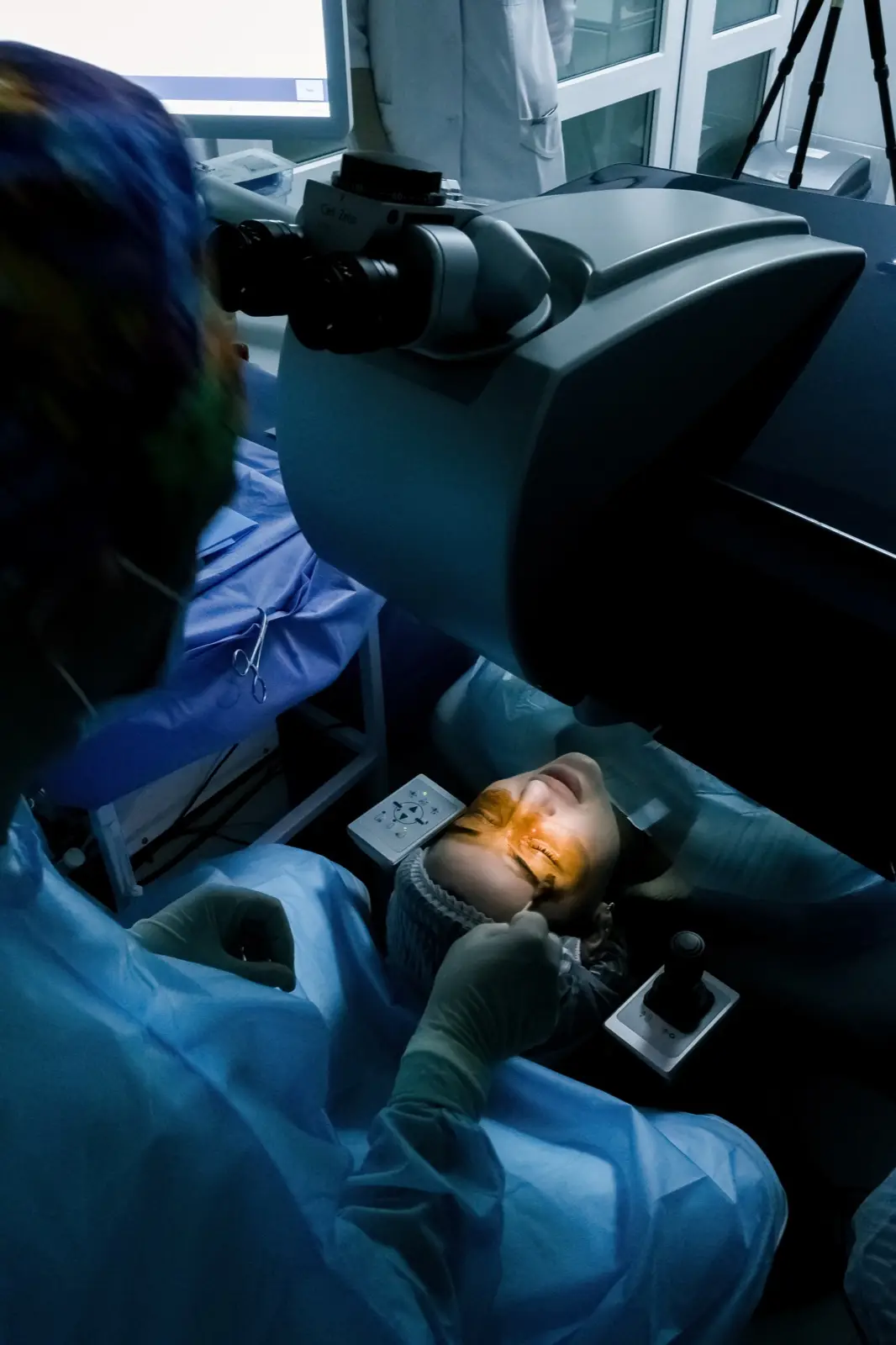

An independent partner surgeon checked the medical claims on this page. What applies to your own case is decided by the surgeon who examines you.
Last reviewed 15 September 2026How much does a corneal transplant cost in Turkey?
As a market guide it runs €4,000 to €12,000, and the range is wide because the technique varies. A partial-thickness graft and a full-thickness one differ in donor tissue, surgery and follow-up. These are market figures, not our own price list, so ask which technique a quote is for.
| Technique | Replaces | Trade-off |
|---|---|---|
| DMEK / DSAEK (partial) | The inner endothelial layer only | Faster visual recovery, lower rejection (DMEK), but shorter graft survival |
| Penetrating keratoplasty (full) | The full thickness of the cornea | Slower recovery, but the best long-term graft survival |
The technique is a clinical decision based on which layer of your cornea is diseased, not a price tier you choose. The figures above are market estimates; Istanbul European Clinic does not set them. For this procedure the quote is only half the picture, because the cost of lifelong follow-up, wherever you have it, is part of the real total.
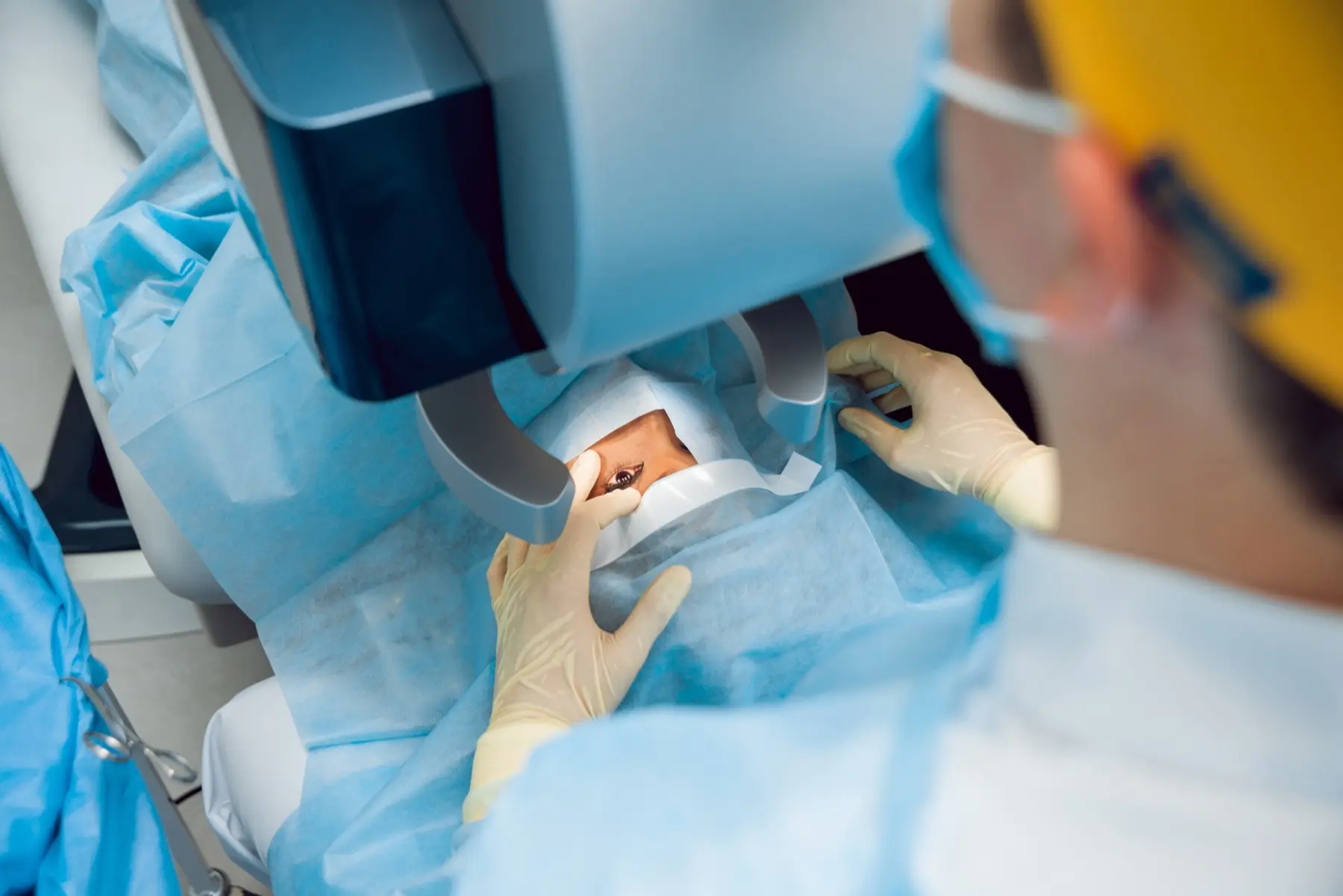
Newer is not automatically better
Clinics often present the partial-thickness techniques (DMEK, DSAEK) as simply the modern, better option. The 10-year data tells a more honest, more useful story, and it is worth understanding before you choose.
- The newer techniques recover faster. In a 2025 study following grafts for a decade, DMEK reached good vision in about 93% of eyes at 5 years, against 63% for full-thickness PK. If quick visual recovery is the priority, that is a real advantage.
- But the older, full-thickness technique lasts longer. PK graft survival was about 92% at 10 years, against 75% for DMEK and 73% for DSAEK. Over a longer horizon, the full-thickness graft was the more durable one.
- So there is a genuine trade-off, between how fast you see well and how long the graft lasts, and the right answer depends on your cornea, your age and your priorities. A surgeon who explains that trade-off is doing better by you than one who simply offers the newest technique.
This page replaced an unsourced "70% to 90% graft survival" claim with the figures above. They are specific, they are by technique, and they carry the point the round number hid: no single technique wins on everything, and the choice is medical, not a matter of buying the most modern.
Rejection, and why follow-up decides everything
A corneal transplant uses donor tissue, so your immune system can recognise the graft as foreign and reject it. This is the defining risk, and it is the reason this operation demands more of an international patient than most.
- Rejection is uncommon but real: about 10% of DMEK, 13% of PK and 19% of DSAEK grafts over 10 years. Caught early it is often treatable; missed, it can cost the graft.
- It can happen months or years later, not just in the first weeks. That is what makes this different from cataract or laser surgery, where the risky window is short.
- So you need an eye doctor at home who can see you quickly. Warning signs, redness, light sensitivity, dropping vision, need prompt local attention. A transplant done abroad without an aftercare arrangement at home is a graft without a safety net.
This is the honest heart of a corneal transplant abroad: the surgery can be excellent and the saving real, but the graft is protected by the follow-up, and the follow-up happens where you live. Arrange it before you travel, not after.
Will it restore my sight?
It depends entirely on what is causing the vision loss, and this is assessed before anything else.
- If the cornea is the problem, a clouded, scarred or diseased cornea, a transplant can restore a great deal of vision. This is what the operation is for.
- If the problem is behind the cornea, in the retina or the optic nerve, replacing the cornea will not help, because the window is not the issue. A thorough examination of the whole eye establishes which it is.
- An honest surgeon tells you the realistic ceiling before operating. Sometimes a transplant restores excellent vision; sometimes the rest of the eye limits the result, and you deserve to know that in advance rather than discover it afterwards.
The assessment of the whole eye is not a formality. It decides whether a transplant can actually help you, and a surgeon who does it carefully, and is candid about what it shows, is the one to trust with this.
Sources
Figures on this page that come from published research are listed here with the study they come from, so you can check them yourself.

What we actually do
The travel part is our job
Your surgeon handles the medicine. We handle everything around it: the dates, the hotel, the airport transfers and an interpreter who stays with you at the appointments, so nothing gets lost between languages.
Photo: Engin Yapici / Unsplash
Frequently asked questions
How much does a corneal transplant cost in Turkey?
As a market guide it runs roughly €4,000 to €12,000, and the range is wide because a corneal transplant is not one operation. A partial-thickness graft that replaces only the inner layer (DMEK or DSAEK) and a full-thickness graft (penetrating keratoplasty) differ in technique, donor tissue and follow-up. These are market figures, not our own price list, because Istanbul European Clinic is a coordination company. Ask which technique a quote is for, because that determines both the price and what you should expect.
Which type of corneal transplant is best?
There is no single best type, and this is the most important thing to understand. It depends on which layer of your cornea is diseased, and the newest technique is not automatically the best one. In a 2025 study following grafts for 10 years, the partial-thickness DMEK gave faster visual recovery (93% reaching good vision at 5 years versus 63% for full-thickness PK), but full-thickness PK had better long-term survival (92% at 10 years versus 75% for DMEK). Fast recovery and long durability pull in different directions, and the right choice is a clinical decision about your specific cornea, not a matter of picking the most modern option.
How long does a corneal transplant last?
It can last many years, but it is a graft of donor tissue, not a permanent fix, and survival depends on the type. The 2025 10-year data: full-thickness PK about 92% at 10 years, partial-thickness DMEK about 75%, DSAEK about 73%. A graft can also be repeated if it fails. The honest framing is that a corneal transplant is a long-term treatment needing lifelong monitoring, not a one-time cure, and anyone promising a permanent result is overselling.
How risky is a corneal transplant?
It is more involved than most eye surgery because it uses donor tissue, and the specific risk is rejection: your immune system recognising the graft as foreign. In the 10-year data, rejection occurred in about 10% of DMEK, 13% of PK and 19% of DSAEK grafts. Rejection is often treatable if caught early, which is exactly why lifelong follow-up and prompt attention to warning signs (redness, sensitivity to light, dropping vision) matter, and why the follow-up plan is central to having this surgery abroad.
Can a blind person see again after a corneal transplant?
If the blindness is caused by a damaged or clouded cornea, a transplant can restore a great deal of vision. If it is caused by damage further back, in the retina or the optic nerve, replacing the cornea will not help, because the problem is not the window but what is behind it. This is why a thorough assessment of the whole eye comes first: it establishes whether a transplant can actually restore your sight or whether the limiting factor is elsewhere.
Who is not a good candidate?
Someone whose vision loss is due to retinal or optic nerve disease rather than the cornea, because a graft cannot fix those. Uncontrolled eye inflammation or infection is treated first, and severe ocular surface disease lowers the odds of a graft surviving. A good surgeon assesses the whole eye and is honest when a transplant is unlikely to deliver, rather than proceeding regardless.
How painful is a corneal transplant?
The surgery is done under local or general anaesthesia, so it is not painful at the time. Afterwards there is usually discomfort, a gritty or foreign-body sensation, and light sensitivity for a period, managed with medication. Significant or increasing pain is not the normal course and is a reason to contact your surgeon, because it can signal a problem that needs attention.
Can it last 20 years?
Some grafts do, particularly full-thickness PK, which showed the best long-term survival in the 10-year data. But it is not guaranteed, endothelial cell loss continues over time, and a graft that fails can usually be repeated. Plan for a corneal transplant as a durable treatment that needs lifelong monitoring and may one day need redoing, rather than as a permanent, one-time solution.
Are artificial corneas available?
Yes, an artificial cornea (keratoprosthesis) exists, but it is generally reserved for eyes that have already rejected donor grafts or are at very high risk of doing so, not a first choice. For most people a donor graft is the standard treatment. Whether an artificial cornea is appropriate is a specialist decision for a small group of complex cases.
What is the best age for a corneal transplant?
There is no single best age; it is done from childhood to old age depending on the condition. Age matters less than the health of the rest of the eye and your ability to manage the long follow-up and eye-drop regimen afterwards. The assessment weighs your whole situation, not just a number.
How long do I stay in Turkey?
The surgery itself may need only 1 to 2 nights, but a corneal transplant is not a treatment where you fly home and forget it. The early weeks carry the highest rejection risk and need close monitoring, so the crucial question is not how long you stay but who supervises your follow-up once you leave. Arrange that before you travel, not after.
What are the risks of a long flight afterwards?
Beyond the general risks of long-haul travel, the concern is being far from your surgeon during the early healing period when rejection is most likely. Follow the drop schedule exactly, protect the eye, and only fly when your surgeon confirms it is safe. Know how you will be monitored at home, because that is what actually protects the graft.
How are complications handled after I return home?
This is the central question for a corneal transplant abroad, more than for almost any other eye procedure, because rejection can occur months or years later and needs prompt local treatment. A reputable partner clinic provides detailed records for your local ophthalmologist and remote support, but you must have an eye doctor at home who can see you quickly if warning signs appear. Confirm that arrangement before surgery.
How do I get a personalised quote?
You share your diagnosis and eye records, and an independent partner ophthalmologist advises on whether a transplant is suitable and which technique fits your cornea. Treat it as a screening step: a full in-person examination of the whole eye comes before anything is confirmed, and it may change the plan or establish that a transplant is not the answer for your particular loss of vision.
What is included in a corneal transplant package?
Typically the surgery, the donor tissue, the hospital stay, medication and early follow-up, and often hotel, transfers and interpreting. Confirm which graft technique the price is for, and, crucially, what the plan is for follow-up after you return home, because the early monitoring is as important as the surgery itself.
How do I compare corneal transplant pricing?
Compare the same technique, because a partial-thickness DMEK and a full-thickness PK are different operations at different prices. Then look past price at the follow-up plan, since a cheaper surgery with no arrangement for monitoring rejection at home is not the better deal. For this procedure, the aftercare is not an add-on; it is part of the treatment.
How do I verify the clinic and surgeon?
Confirm the hospital accreditation on the accrediting body's own database, verify the ophthalmologist's registration through the Turkish authorities, and ask specifically about their corneal transplant experience and which techniques they perform. For donor tissue, ask how it is sourced and screened. This is specialist surgery, and the surgeon's specific experience matters more than a general reputation.
How do I find an accredited hospital for this abroad?
Look for JCI or equivalent accreditation confirmed on the accrediting body's database, and for a dedicated ophthalmology department with corneal specialists. A corneal transplant is not general eye surgery, so the relevant question is not whether the hospital is good broadly, but whether it does this specific operation regularly and well.
How do international patients compare accredited clinics?
On the surgeon's corneal transplant experience and the techniques offered, the hospital's accreditation and how it sources donor tissue, and, above all, how each proposes to handle your follow-up at home. A video consultation helps you judge how frankly a surgeon discusses rejection risk and long-term monitoring, which is the honest measure of this treatment.
What is the safest way to arrange the trip?
Either book directly with an accredited hospital or work through a medical travel coordinator that is clear about what it is. Istanbul European Clinic Medical Travel Services is a coordination company: we arrange travel, accommodation, transfers and interpreting and introduce you to independent partner ophthalmologists who assess your case and carry clinical responsibility for it. We do not perform surgery and we do not employ the surgeons. For a corneal transplant especially, do not travel until your follow-up at home is arranged.
Where is the best place to have a corneal transplant?
There is no single best place, and any page that names one is usually selling it. What matters is a surgeon experienced in the specific technique your cornea needs, an accredited hospital with properly sourced donor tissue, and a workable plan for lifelong follow-up. For a treatment that depends so heavily on aftercare, the best place is often the one where your monitoring can be sustained, which is a reason to weigh continuity of care heavily, not just cost.