
Patient guide
Plastic Surgery Patient Guide
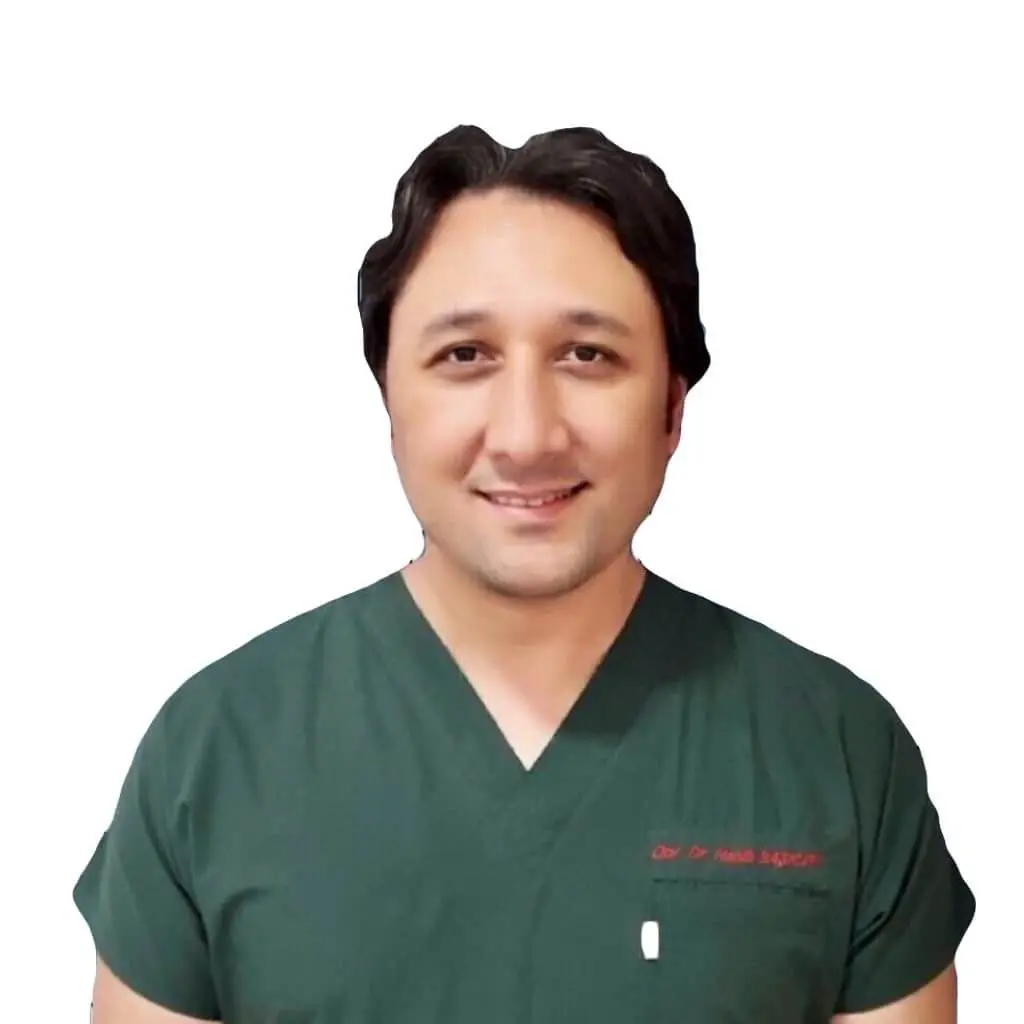
An independent partner surgeon checked the medical claims on this page. What applies to your own case is decided by the surgeon who examines you.
Written by the editorial team, not by a clinician. Nothing here is medical advice: your independent partner surgeon decides what applies to you.
Plastic surgery can be a life-changing experience for many people seeking to enhance their appearance or address physical concerns that impact confidence. If you are considering plastic surgery in Turkey, it is essential to understand the procedure, the potential risks and benefits, and how to prepare for it.
BEFORE SURGERY
Before your operation
A consultation with your surgeon is required before plastic surgery. During this appointment, you will:
- Discuss your surgical goals and expectations
- Review your medical history and current medications
- Undergo a physical examination
- Have photos taken of the area to be treated (if needed)
Following your surgeon’s preoperative instructions is vital. These may include avoiding certain medications or supplements that increase bleeding risk.
Preoperative Instructions
- Aspirin and blood-thinning medication are decided by the doctor who prescribed them, together with your surgeon. Never stop a prescribed blood thinner on your own. For some patients stopping it is more dangerous than the bleeding risk it is meant to prevent, and only the prescriber can weigh the two.
- Inform your doctor of any drug allergies.
- Adjust your medications according to the plan provided by your doctor.
- Do not eat or drink anything for at least 12 hours before surgery to make blood sampling easier.
- If you are having a breast operation, try to be near your ideal weight, as changes in weight can affect final cup size.
- Consider bringing a comfortable pillow to help with sleeping during recovery.
- Get a full wax before surgery to avoid shaving afterward.
- For breast procedures, one surgical bra will be provided, but you may bring a tight sports bra as an alternative.
- Stop drinking alcohol and smoking two weeks before surgery to reduce bleeding risk and promote healing.
- Avoid fake tan for seven days before surgery.
- Ensure your nails are transparent on the day of surgery, no nail polish or artificial nails.
Items to Avoid Before Surgery
Ten days before surgery, avoid the foods and supplements that thin the blood: green tea, garlic, sour cherry, pomegranate, Ginkgo Biloba, Tebokan forte, Coenzyme Q, cinnamon, ginger and herbal supplements generally. Prescribed medication is a different question. Aspirin, any blood-thinning drug, the contraceptive pill and hormone medication are stopped or continued on the instruction of the doctor who prescribed them, in consultation with your surgeon. Both of those decisions reach beyond the operation: stopping anticoagulation can be more dangerous than the bleeding it prevents, and stopping contraception without an alternative in place can lead to a pregnancy that changes the surgical plan.
During Your Operation
Plastic surgery is usually performed under general anesthesia, though the type used will depend on your procedure and overall health. The duration of the operation varies based on the procedure but generally lasts several hours.
What to Bring and Do
- Bring your nightwear and slippers.
- Bring your laptop, magazines, or books to make your waiting time more pleasant.
- Remove any piercings or replace them with synthetic ones.
- On the day of surgery:
- Avoid fake eyelashes, metal hair extensions, nail polish, and artificial nails.
- Do not apply moisturizer or deodorant.
- Bring your phone charger and camera to take “before” photos.
- If you experience nausea after anesthesia, ask your nurse for anti-sickness medication.
- Do not swallow water when brushing your teeth the morning of surgery.
- Wear loose, comfortable clothing with front buttons or zippers (a warm-up or jogging outfit is ideal).
- Choose comfortable, flat shoes.
- Do not wear pantyhose or girdles.
- If you wear contact lenses, eyeglasses, or dentures, bring their cases and remove them before the procedure.
AFTER SURGERY
After Your Operation
Proper post-operative care is essential for a smooth recovery and the best surgical outcome. You may feel tired or disoriented from the anesthesia and may experience pain or discomfort.
Your surgeon will give you detailed guidance on wound care and pain management. Treatment may include:
- Taking pain medication as prescribed
- Applying cold packs to reduce swelling
- Keeping the surgical area clean and dry
Depending on the surgery, medical staff may provide a compression band or splint to support and protect the area.
General Post-Operative Care
- Use antibacterial baby wipes to stay clean (avoid wounds or stitches). You will not be able to shower for several days.
- After removing dressings, clean pen markings with a mild, non-irritating cleanser and water.
- Protect scars from the sun for one year using SPF 30+ sunscreen.
- Stay hydrated to prevent dehydration.
- Eat protein-rich meals to support muscle and wound healing.
- Avoid drinking and smoking for at least two weeks after surgery, as both delay healing.
- Wear your compression garment for the full recommended time to ensure optimal results.
- Remember: everyone heals differently: allow your body time to recover.
Diet Recommendations
It is normal to feel very thirsty for a few days after surgery, so keep plenty of fluids nearby. If you experience a sore throat from anesthesia, warm drinks like decaffeinated tea with honey can provide relief. Non-acidic juices such as apple, pear, or peach are also gentle options, and soothing treats like throat lozenges or ice cream may help ease irritation.
A temporary loss of appetite is normal during the first few days. Choosing lighter, easy-to-eat foods, such as soups, yogurt, pudding, soft foods, or even low-fat ice cream and low-calorie milkshakes. Can make eating more manageable while your appetite gradually returns.
During this period, it’s best to avoid foods that are heavy, spicy, or overly salty. Steer clear of high-fat dishes, caffeinated drinks, spicy meals, and rich dairy products, as these may slow recovery or cause discomfort.