
Patient guide
Pre-Operative Patient Guide
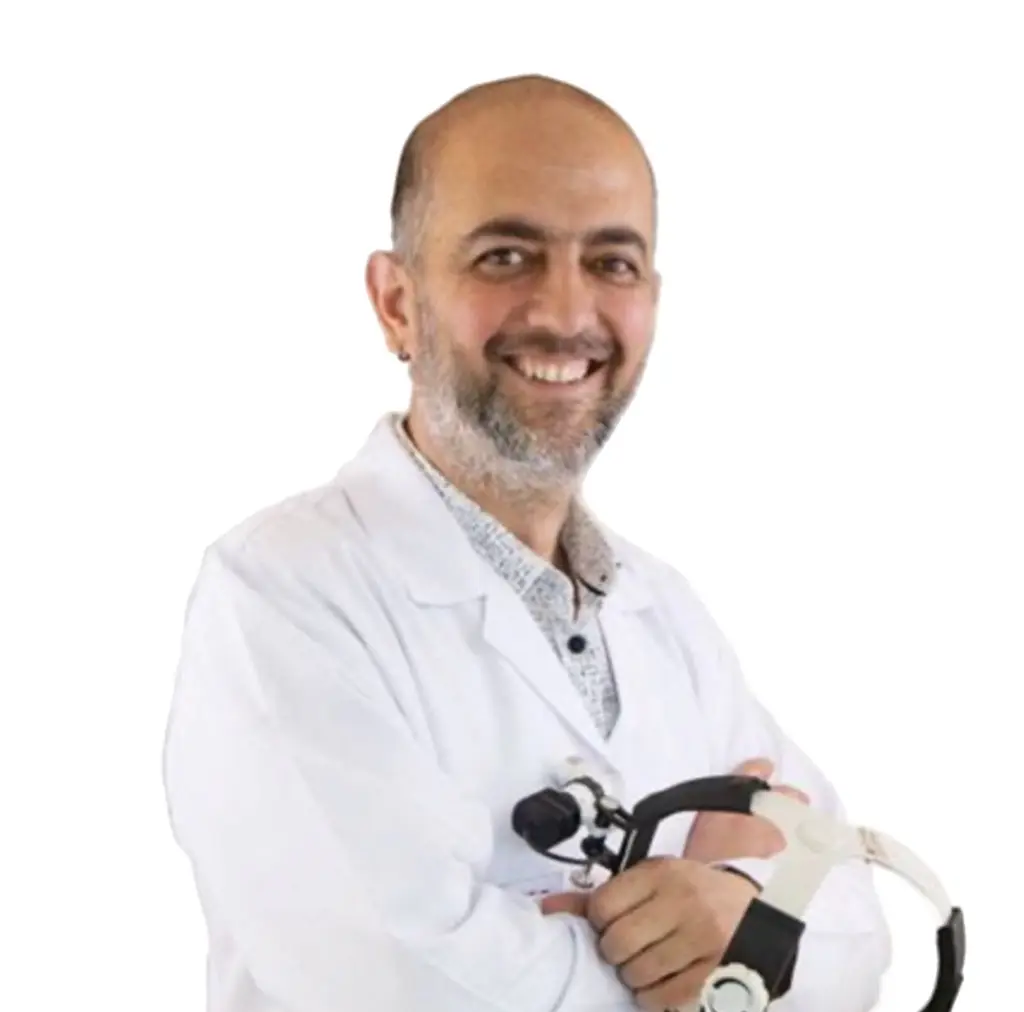
An independent partner surgeon checked the medical claims on this page. What applies to your own case is decided by the surgeon who examines you.
Written by the editorial team, not by a clinician. Nothing here is medical advice: your independent partner surgeon decides what applies to you.
This guide walks through what happens around surgery in Istanbul, from the first consultation to the flight home. It is written to be read before you travel, so you know what to prepare, what the day itself looks like, and what recovery asks of you. The medicine belongs to your surgeon; what follows is the practical shape of the journey we coordinate around it. Every procedure is different, so treat this as the general map and let your surgeon's instructions override it wherever they differ.
Before you travel
Everything starts with a consultation. You describe what you are considering and send any relevant photographs and medical history, and an independent partner surgeon reviews your case and tells you what is realistic, including when the honest answer is that the procedure is not right for you.
If you decide to go ahead, you receive the plan and the price in writing before you book anything. Nothing is confirmed until you say so, and the figure that binds is the one in your written quote, not a number from a table.
What your surgeon needs from you
- Clear, recent photographs of the area you want treated, for an aesthetic procedure.
- A list of any medical conditions, previous operations and allergies.
- The names and doses of every medicine and supplement you take, including anything bought without a prescription.
- Recent blood tests, scans or reports, if you already have them.
Getting your body ready
In the weeks before surgery a few simple steps make the operation safer and recovery smoother. Your surgeon confirms which ones apply to you; the points below are the ones that come up for most procedures.
- Stop smoking and drinking alcohol at least two weeks before surgery. Both slow healing and reduce blood flow to the skin.
- Stop herbal supplements that increase bleeding (garlic, ginkgo, ginseng, green tea, ginger and similar) about ten days before surgery.
- Eat well in the run-up: enough protein, and enough iron if you tend to run low, helps wounds close and blood recover.
- Keep your weight stable. Large swings in the weeks before surgery can change what is safe or possible.
- Arrange any routine pre-operative tests your surgeon asks for, such as blood work, an ECG or imaging. These can often be done on arrival in Istanbul.
Aspirin and blood-thinning medication are a separate question, decided by the doctor who prescribed them together with your surgeon. Never stop a prescribed blood thinner on your own. For some patients, stopping it is more dangerous than the bleeding it is meant to prevent.
Fasting
You will be asked not to eat or drink for a set number of hours before surgery, usually from midnight the night before. Your surgeon or the anaesthetist confirms the exact timing, because it depends on your procedure and when it is scheduled. Coming in without an empty stomach can mean the operation has to be postponed, so this one matters.
What to bring
- Your passport, booking details and any medical documents.
- Comfortable, loose clothing that is easy to put on without raising your arms or bending, front-fastening where possible.
- Flat, slip-on shoes.
- A supply of any regular medication, in its original packaging.
- Basic toiletries and anything that helps you rest during the hospital stay: a book, headphones, a charger.
The day of surgery
You are admitted to the hospital or clinic where your surgeon operates, and the team goes through the consent forms and marks the surgical area with you. An anaesthetist reviews your history and explains the type of anaesthesia, whether general, sedation or local.
The procedure itself is carried out by your independent partner surgeon, at their own clinic or at an accredited hospital. An interpreter can stay with you up to the point you go into theatre, so nothing about the plan is lost between languages.
Recovery and the trip home
How long you stay and how quickly you recover depend entirely on the procedure. Some treatments let you leave the same day; others need a night or more under observation. Your surgeon sets the timeline and the aftercare, and tells you when it is safe to fly, since flying too soon after some operations carries a real risk of blood clots.
Plan to stay in Istanbul for the follow-up appointments your surgeon asks for, rather than booking the earliest flight home. We arrange the hotel, the transfers and the timing around those appointments, and we stay reachable for anything that is not clinical, both while you are here and after you leave.
Who is responsible for what
Your surgeon owns every clinical decision: whether the procedure suits you, how it is performed, and how your recovery is managed. Istanbul European Clinic is a medical travel coordination company. We do not perform procedures, we do not employ the surgeons and we do not own the facilities where treatment takes place. What we handle is everything around the operation, so you can put your attention where it belongs, on getting better.