Refer a friend and earn a $50 credit! REFER NOW

Eye Care Turkey

Turkey has emerged as a global hub for advanced ophthalmology, offering state-of-the-art vision correction and treatment for complex eye conditions. With internationally accredited facilities like Istanbul European Clinic, patients receive world-class care at significantly lower costs compared to Europe or the US.
OVERVIEW

Procedure

Eye Care (LASIK, Cataract, PRK, Transplants)

Duration

15 minutes – 2 hours (varies by treatment)

Length of Stay in Hospital

1 – 2 nights (often outpatient)

Anesthesia

Local Anesthesia (Eye Drops) or Sedation

Cost in Turkey

€1,390 – €3,500 (Typical Range)

Success Rate

90% – 95%

Final Results

Stabilizes after 3 months

Scars

None (for laser procedures)

Pain

Minimal discomfort

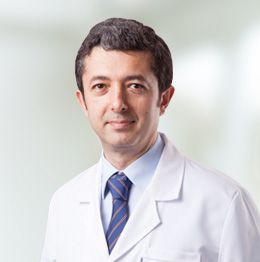
Medically reviewed by Prof. Akif

Written by Abdulaziz Ali

Published on December 26, 2025 12:00 am

TABLE OF CONTENT

    Benefits of Eye Care in Turkey

    • Cost-Effectiveness
      You can save up to 70% on procedures like LASIK and cataract surgery compared to the UK or USA without compromising on quality or safety standards. This affordability allows you to access premium intraocular lenses and advanced laser technologies that might be prohibitively expensive elsewhere.
    • Advanced Technology
      Clinics in Istanbul utilize FDA-approved lasers and smart lens technologies, ensuring precision and reducing recovery time for international patients. Turkish ophthalmologists are frequent contributors to global medical research, ensuring they use the latest techniques for vision care turkey.
    • Comprehensive Packages
      Most treatments include VIP transfers, accommodation, and translation services, making your medical travel experience stress-free and seamless. These all-inclusive packages allow you to focus entirely on your recovery while the logistics are handled by the clinic’s coordination team.

    Eye Care Cost in Turkey Compared to Other Countries

    The following table compares the typical costs for common eye procedures.

    Procedure Turkey (Typical Range) USA (Estimated) UK (Estimated)
    LASIK (Per Eye) €1,590 – €2,000 €1,900 – €2,800 €1,700 – €2,900
    PRK (Per Eye) €1,590 – €2,000 €1,900 – €2,800 €1,400 – €2,300
    Cataract Surgery (Per Eye) €2,000 – €3,500 €3,300 – €6,500 €2,300 – €4,600
    Corneal Transplant ~€12,000 €12,000 – €25,000 €9,000 – €14,000

    Note: Prices vary significantly by case complexity, clinic choice, and specific lens technology; request a personalized quote for accuracy.


    Doctor providing aesthetic treatment consultation to patient

    How to Choose Safe, Reputable Clinics and Surgeons for Eye Care in Turkey

    Accreditation Checks

    Verify that the eye clinic Istanbul holds JCI accreditation or ISO certifications, ensuring they meet rigorous international healthcare safety standards. These accreditations guarantee that the facility adheres to strict hygiene and operational protocols comparable to top Western hospitals.

    Surgeon Expertise

    Look for ophthalmologists who are board-certified and have performed thousands of successful surgeries in your specific procedure type. Experienced surgeons often hold memberships in organizations like the European Society of Cataract and Refractive Surgeons (ESCRS).

    Patient Testimonials

    Read verified reviews and watch video testimonials to gauge the real-world experiences and satisfaction levels of previous international patients. Authentic reviews often provide insight into the clinic’s communication style, aftercare support, and overall facility cleanliness.

    What to Consider Before Getting a Eye Care in Turkey

    Medical eligibility & health history

    Not everyone is a candidate for laser surgery; your doctor must evaluate corneal thickness, tear production, and history of diabetes or autoimmune issues before approval.

    Pre-op tests & preparation

    Expect comprehensive scans including corneal mapping and retinal exams upon arrival to confirm your treatment plan and rule out contraindications like keratoconus.

    Travel timing & companion planning

    Plan to stay in Istanbul for at least 3 to 5 days to allow for initial recovery and a mandatory follow-up check before flying home.

    Post-op plan, mobility, and pain management expectations

    You will need to use antibiotic and anti-inflammatory eye drops strictly and wear protective shields while sleeping to prevent accidental rubbing

    Work/return-to-activity timeline

    Most patients can return to office work within 3 to 5 days, though dusty environments, swimming, or strenuous contact sports require a longer break of up to a month.
    Doctor consulting with a patient in a hospital room while reviewing medical notes.

    Ideal Candidate For Eye Care In Turkey

    • You are over 18 years old and have had a stable vision prescription for at least one year.
    • You do not have active eye infections, severe dry eye syndrome, or uncontrolled autoimmune diseases.
    • You are looking for affordable, high-quality solutions for myopia, hyperopia, astigmatism, or cataracts.
    • You are willing to follow strict post-operative hygiene and medication schedules to prevent infection.
    • You are prepared to travel and stay in Turkey for a few days to complete the necessary checks.

    Eye Care in Turkey Results

    Eye treatment success rate Turkey is generally reported between 90% and 95% for refractive surgeries, though individual outcomes vary based on healing and corneal health. High patient satisfaction stems from improved visual acuity and the elimination of dependency on glasses or contacts, but realistic expectations regarding night glare or dry eyes are essential.

    Eye Care Turkey Recovery Time

    1. Eye Care 1 Week Post Op: Vision may be slightly blurry or fluctuating; avoid getting water, soap, or shampoo in your eyes and wear sunglasses to protect against bright lights.
    2. Eye Care 3 Weeks Post Op: Most discomfort subsides, and visual clarity stabilizes; you can typically resume light exercise but must continue avoiding swimming or contact sports.
    3. Eye Care 3 – 6 Months Post Op: Your eyes should be fully healed with stable vision; dry eye symptoms usually resolve during this period with proper lubrication and hydration.
    4. Eye Care 1 Year Post Op: Long-term results are established; attend an annual eye exam to ensure your vision remains sharp and overall eye health is maintained.

    Eye Care in Turkey Before and After

    Before and after images typically show the elimination of glasses or the removal of cloudy cataracts, restoring clear, bright vision. Authentic results should be evaluated during your consultation at Istanbul European Clinic, keeping in mind that individual healing timelines differ and photos cannot convey visual acuity.

    How Does The Eye Care Turkey Procedure Work?

    Consultation

    You discuss your medical history and vision goals with the specialist via video call or in-person to determine the best procedure for your needs.

    Medical Test

    Comprehensive diagnostic tests, including corneal topography and pressure checks, are performed to ensure you are safe for surgery and to calibrate the laser.

    Surgery

    The procedure is typically quick, often taking less than 30 minutes per eye under local anesthesia drops to numb the area, ensuring minimal discomfort.

    Recovery

    You rest in a recovery room for a short period before returning to your hotel with protective eyewear and detailed medication instructions.

    Follow up

    A final check-up is conducted the next day or before departure to verify the healing process and clear you for travel back home.

    Doctor discussing treatment options with patients

    Side Effects of Eye Care in Turkey

    • Temporary dry eyes or gritty sensation requiring artificial tears.
    • Glare, halos, or starbursts around lights, especially at night.
    • Light sensitivity or fluctuating vision during the initial healing phase.
    • Red marks on the white of the eye (subconjunctival hemorrhage), which fade naturally.
    • Rare risks include infection or under/over-correction requiring enhancement.

    What our PATIENTS say

    what is your problem

    Frequently Asked Questions

    Is Turkey good for eye health?

    Yes, Turkey is highly regarded for eye health due to its advanced medical infrastructure, experienced ophthalmologists, and strict adherence to international safety standards.

    Is Turkey a good place for eye surgery?

    Absolutely. Turkey is a top destination for medical tourism, offering high-quality eye surgeries at affordable prices in JCI-accredited hospitals.

    Is Lasik 100% successful?

    No medical procedure is 100% successful. However, LASIK has a very high success rate, with over 95% of patients achieving 20/40 vision or better.

    How good is turkey's eyesight?

    This question likely refers to the quality of care. Turkey’s eye care sector is world-class, utilizing the latest German and American technologies for diagnosis and treatment.

    How to fix blurry vision naturally?

    While refractive errors usually require glasses or surgery, eye exercises and a diet rich in vitamins A, C, and E can support general eye health and reduce strain.

    What three vitamins keep cataracts from getting worse?

    Vitamin C, Vitamin E, and Vitamin A (beta-carotene) are antioxidants that may help slow the progression of cataracts and support overall eye health.

    Is laser cheaper in Turkey?

    Yes, laser eye surgery is significantly cheaper in Turkey, often costing 50-70% less than in the UK or US due to lower operational costs and exchange rates.

    How many years does an eye lift last?

    An eye lift (blepharoplasty) typically provides results that last for 10 to 15 years, though the natural aging process will continue.

    What food improves eyesight?

    Foods rich in Omega-3s (salmon), Vitamin A (carrots, sweet potatoes), and leafy greens (spinach, kale) are excellent for maintaining healthy vision.

    What happens after 10 years of LASIK?

    For most patients, vision remains stable. However, natural age-related changes like presbyopia (need for reading glasses) can still occur in your 40s or 50s.

    Why did Taylor Swift get LASIK?

    Taylor Swift reportedly underwent LASIK to correct her vision and eliminate the need for contact lenses or glasses, improving her quality of life for performing.

    Can you trust surgery in Turkey?

    Yes, provided you choose a reputable, accredited clinic and a board-certified surgeon. Researching reviews and credentials is key to a safe experience.

    What are the safest ways to arrange a medical trip for Eye Care in Turkey?

    The safest approach is to book through a reputable medical tourism facilitator or directly with an accredited hospital that offers comprehensive care packages including transfers and insurance.

    How can I verify clinic accreditations and patient reviews before traveling for surgery?

    Look for JCI or ISO seals on the clinic’s website and cross-reference them with international databases. Read reviews on third-party platforms like Trustpilot or Google Reviews.

    How do clinics handle complications if they occur after returning home?

    Reputable clinics provide aftercare support via telemedicine. If a physical intervention is needed, they may coordinate with a local specialist or offer revision surgery if you return.

    What’s included in a typical Eye Care package in Turkey?

    Packages usually include the surgical fee, pre-op tests, post-op medications, VIP airport transfers, hotel accommodation, and a translator.

    How do I compare Eye Care pricing across clinics?

    Request itemized quotes from multiple clinics. Ensure you compare “apples to apples” by checking if accommodation, medication, and follow-up care are included in the price.

    : What factors explain price differences for Eye Care between countries?

    Differences are primarily due to lower labor costs, operational expenses, and favorable currency exchange rates in Turkey, not a difference in medical technology or quality.