Refer a friend and earn a $50 credit! REFER NOW

Liver Transplant Turkey

Liver transplant surgery is a complex, life-saving procedure for patients with end-stage liver failure, and Turkey has become a global hub for this treatment due to high success rates. Istanbul European Clinic connects international patients with world-class surgeons and accredited facilities, offering advanced medical care at a fraction of the cost found in Western countries. We prioritize your safety and long-term health through rigorous donor matching and comprehensive post-operative support.
OVERVIEW

Procedure

Liver Transplant (Living Donor or Cadaveric)

Duration

6 – 12 hours

Length of Stay in Hospital

10 – 21 days (including ICU)

Anesthesia

General Anesthesia

Cost in Turkey

€45,000 - €56,000 (Typical Range)

Success Rate

Approx. 80% - 90% (Varies by case)

Final Results

1 Year for full recovery

Scars

Yes (Abdominal incision)

Pain

Moderate (Managed with medication)

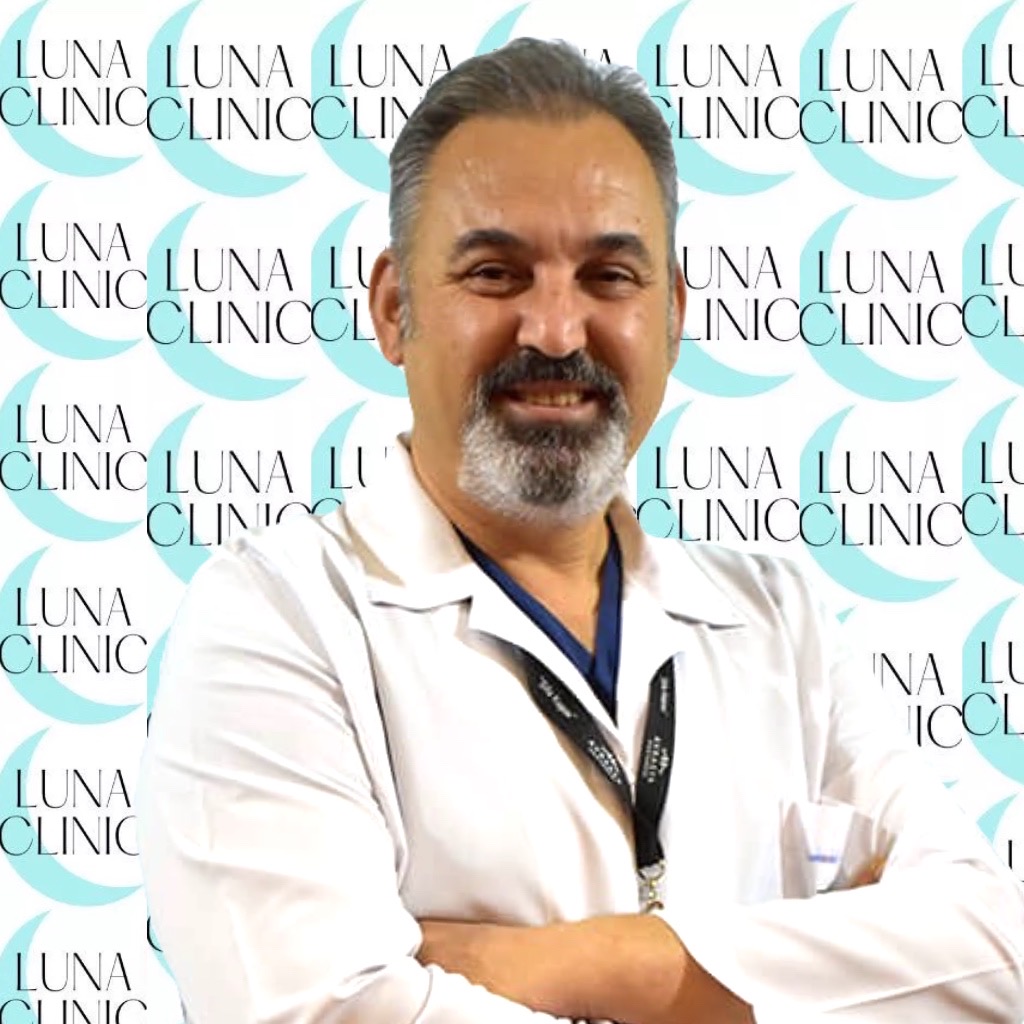
Dr. Hasan L. Lice

Medically reviewed by Dr. Hasan

Written by Abdulaziz Ali

Published on December 26, 2025 12:00 am

TABLE OF CONTENT

    Benefits of Liver Transplant in Turkey

    • High Success Rates and Surgeon Expertise
      Turkey is one of the world’s leading countries for living donor liver transplants. Because of the high volume of procedures performed annually, liver transplant surgeons in Turkey possess exceptional technical skills and experience, often handling complex cases that might be declined elsewhere.
    • Cost-Effective Medical Excellence
      Patients can access top-tier medical care for significantly less than in the US or UK. The lower cost does not reflect lower quality; rather, it is due to lower operational costs and government support for medical tourism, allowing you to receive premium treatment at an affordable price.
    • Comprehensive Care Packages
      Clinics in Turkey typically offer all-inclusive service models. These packages often cover not just the surgery and hospital stay, but also VIP transfers, accommodation for the patient and donor, and translation services, making the logistical side of this major surgery much easier to manage

    Liver Transplant Cost in Turkey Compared to Other Countries

    The following table compares the estimated costs of a liver transplant. Prices in the US and UK can be prohibitive for self-pay patients, whereas Turkey offers a viable financial alternative without compromising on medical standards.

    Country Typical Range (€)
    Turkey €45,000 – €60,000
    United Kingdom (Private) €70,000 – €120,000+
    United States €300,000 – €500,000+

    Note: Prices vary significantly by case complexity, donor type, and chosen clinic; please request a personalized quote for accuracy.


    Doctor providing aesthetic treatment consultation to patient

    How to Choose Safe, Reputable Clinics and Surgeons for Liver Transplant in Turkey

    Verify International Accreditations

    Ensure the hospital holds prestigious accreditations such as JCI (Joint Commission International). This certification guarantees that the facility meets rigorous global standards for patient safety, hygiene, and operational management, which is critical for high-risk surgeries like transplants.

    Assess Surgeon Volume and Specialization

    Look for a surgeon who specializes exclusively in hepatobiliary and transplant surgery. High-volume surgeons—those performing dozens or hundreds of transplants a year—statistically have better outcomes and lower complication rates than those who perform the procedure infrequently.

    Evaluate Multidisciplinary Team Support

    A successful transplant requires more than just a surgeon; it needs a team including hepatologists, anesthesiologists, and infectious disease specialists. Choose a clinic that provides a fully integrated team to manage every aspect of your pre-operative and post-operative care.

    What to Consider Before Getting a Liver Transplant in Turkey

    Medical eligibility & health history

    You must undergo a rigorous evaluation to ensure your heart and lungs can withstand the surgery. Your MELD (Model for End-Stage Liver Disease) score will help doctors prioritize and assess the urgency of your treatment.

    Pre-op tests & preparation

    Expect comprehensive testing upon arrival, including blood work, CT scans, and tissue typing. If you are bringing a living donor, they will undergo an equally strict screening to ensure their safety.

    Travel timing & companion planning

    Plan to stay in Turkey for at least 4 to 8 weeks post-surgery. You must bring a companion to assist you during the recovery period, as mobility will be limited initially.

    Post-op plan, mobility, and pain management expectations

    You will be in the ICU for a few days before moving to a standard room. Pain is managed via IV medication; early mobilization (walking) is encouraged to prevent blood clots and pneumonia.

    Work/return-to-activity timeline

    Recovery is a marathon, not a sprint. Most patients cannot return to work for 3 to 6 months. Heavy lifting and strenuous exercise are restricted for at least 6 months to protect the abdominal incision.
    Doctor consulting with a patient in a hospital room while reviewing medical notes.

    Ideal Candidate For Liver Transplant In Turkey

    • Patients diagnosed with end-stage liver disease (cirrhosis) or acute liver failure who have exhausted other treatment options.
    • Individuals who have a compatible, willing living donor (often a family member) with a healthy liver and matching blood type.
    • Patients who are free from active severe infections or metastatic cancer outside the liver.
    • Candidates who are psychologically stable and committed to a lifelong regimen of anti-rejection medication and lifestyle changes.
    • Individuals with adequate financial means or insurance coverage, as transplants require significant investment in surgery and aftercare.

    Liver Transplant in Turkey Results

    Turkey liver transplant success rate is generally comparable to top centers in the US and Europe, often ranging between 80% to 90% for one-year survival. Patient satisfaction is typically high due to the restoration of energy and health, though outcomes depend heavily on the patient’s adherence to medication and the quality of the donor organ.

    Liver Transplant Turkey Recovery Time

    1. Liver Transplant 1 Week Post Op: You will likely be transferred from the ICU to a regular hospital room. The focus is on pain management, monitoring for signs of rejection or infection, and ensuring the new liver is functioning (producing bile). You will start physical therapy with gentle walking.
    2. Liver Transplant 3 Weeks Post Op: Most patients are discharged from the hospital by this stage but must stay close to the clinic for frequent check-ups. The abdominal staples or sutures may be removed. You will feel weak but should see gradual improvement in your appetite and energy levels.
    3. Liver Transplant 3 – 6 Months Post Op: You can slowly return to daily activities, though fatigue may persist. Regular blood tests are crucial to adjust anti-rejection medications. By the 6-month mark, many patients feel significantly better and may be cleared for light work and moderate exercise
    4. Liver Transplant 1 Year Post Op: This milestone usually marks a full return to a normal quality of life. While you will take immunosuppressants forever, the dosage is often lower. You should have established a routine with your local doctor for long-term health monitoring.

    How Does The Liver Transplant Turkey Procedure Work?

    Consultation

    The process starts with a thorough review of your medical records and imaging by our specialists at Istanbul European Clinic. We evaluate the donor and recipient compatibility remotely to determine if travel is feasible.

    Medical Test

    Upon arrival, both the patient and the donor undergo extensive on-site diagnostic tests. This includes cardiac clearance, blood typing, and detailed imaging to map the liver anatomy for surgery.

    Surgery

    The surgery is performed under general anesthesia and typically takes 6 to 12 hours. It involves two simultaneous teams: one removing part of the donor’s liver and the other implanting it into the recipient after removing the diseased liver.

    Recovery

    Post-surgery, the patient is moved to the Intensive Care Unit (ICU) for close monitoring of vital signs and graft function. After stabilization (usually 2-3 days), the patient moves to a standard ward for continued recovery.

    Follow up

    After hospital discharge, you stay in a hotel or recovery apartment. You will visit the clinic frequently for blood tests and ultrasound scans to ensure the body is accepting the new organ before you are cleared to fly home.

    Doctor discussing treatment options with patients

    Side Effects of Liver Transplant in Turkey

    • Organ Rejection: The immune system may attack the new liver; this is treated with medication adjustments.
    • Infection: High risk due to immunosuppressant drugs; requires immediate medical attention.
    • Bile Duct Complications: Leaks or blockages in the tubes connecting the liver can occur.
    • Vascular Issues: Risk of blood clots in the hepatic artery or portal vein.
    • Medication Side Effects: High blood pressure, diabetes, or kidney issues caused by long-term drug use.

    What our PATIENTS say

    what is your problem

    Frequently Asked Questions

    Can you live 20 years after a liver transplant?

    Yes, it is possible. Many liver transplant recipients live for 20 years or more after their surgery. Long-term survival depends on the patient’s overall health, the quality of the donor liver, and strict adherence to anti-rejection medication and healthy lifestyle choices.

    How long is a hospital stay after a liver transplant?

    The typical hospital stay ranges from 10 to 21 days. This includes an initial period in the Intensive Care Unit (ICU) for 2 to 4 days, followed by recovery in a standard hospital ward until the medical team clears you for discharge.

    Is turkey liver friendly?

    In a dietary context, turkey meat is generally considered liver-friendly because it is a lean protein. However, if you are asking about the country, Turkey is very “liver-friendly” in terms of medical care, hosting some of the world’s most experienced liver transplant centers and surgeons.

    Is Turkey a safe place for surgery?

    Yes, Turkey is a safe destination for surgery when you choose accredited hospitals and experienced surgeons. Major cities like Istanbul have JCI-accredited facilities that adhere to international safety standards, making it a top hub for medical tourism.

    How painful is a liver transplant?

    The procedure involves moderate to significant pain post-surgery due to the large abdominal incision. However, pain is well-managed with intravenous medications in the hospital and oral painkillers during the recovery phase. Most patients find the pain manageable and decreasing significantly after the first week.

    Is a liver transplant a big surgery?

    Yes, a liver transplant is a major, complex surgery. It involves removing a diseased organ and replacing it with a healthy one, requiring highly skilled surgical teams, general anesthesia, and several hours of operation time (often 6 to 12 hours).

    What is the 6 month rule for liver transplant patients?

    The “6-month rule” often refers to the requirement that patients with alcoholic liver disease must demonstrate six months of sobriety before being eligible for a transplant. This ensures the patient is committed to a lifestyle that will not damage the new organ.

    What can't you do after a liver transplant?

    You cannot drink alcohol, smoke, or eat raw or undercooked meat and seafood (due to infection risk). You should also avoid contact with sick people, heavy lifting for the first 6 months, and taking any medication without your doctor’s approval.

    What destroys the liver the most?

    Alcohol abuse, chronic viral hepatitis (B and C), and non-alcoholic fatty liver disease (often caused by obesity and poor diet) are the leading causes of liver damage. Overdosing on certain medications, like acetaminophen, can also cause acute liver failure.

    Which fruit is best for the liver?

    Fruits high in antioxidants are beneficial. Grapefruit (check with your doctor as it interacts with transplant meds), berries (blueberries, cranberries), and grapes are often cited as good for liver health. However, always follow the specific dietary guidelines provided by your transplant team

    What are the safest ways to arrange a medical trip for Liver Transplant in Turkey?

    The safest approach is to use a reputable medical tourism facilitator or contact a clinic like Istanbul European Clinic directly. Ensure the package includes pre-travel medical review, airport transfers, and verified accommodation to minimize logistical stress and ensure a seamless care pathway.

    How can I verify clinic accreditations and patient reviews before traveling for surgery?

    Look for the Joint Commission International (JCI) gold seal on the hospital’s website, which indicates global safety standards. For reviews, check independent third-party platforms and ask the clinic to connect you with past patients who have undergone similar liver transplant treatment procedures.

    How can international patients compare accredited clinics for Liver Transplant abroad?

    Compare clinics based on their specific transplant volume (higher is generally better), the experience of the lead surgeon, JCI accreditation status, and the comprehensiveness of their care packages. Transparency in pricing and clear communication during the initial consultation are also key indicators of quality.

    What’s included in a typical Liver Transplant package in Turkey?

    A standard liver transplant turkey package typically includes the pre-operative tests for donor and recipient, the surgery itself, surgeon and anesthesiologist fees, hospital stay, nursing care, standard medications during the stay, and VIP airport transfers. Some packages also include hotel accommodation for the recovery period.

    How do clinics handle complications if they occur after returning home?

    Reputable clinics provide a discharge plan that includes handing over your medical file to your local specialist. If complications arise, your local doctor will manage immediate care, often in consultation with your Turkish surgical team via telemedicine to ensure continuity of treatment.

    What is the process for obtaining a personalized quote for Liver Transplant overseas?

    You will need to submit your recent medical reports, imaging scans (CT/MRI), and blood work results. Our medical team reviews these documents to assess your eligibility and the complexity of the case, after which we provide a detailed, itemized cost estimate.

    How do I compare Liver Transplant pricing across clinics?

    When comparing the liver transplant cost in turkey, ensure you are comparing “apples to apples.” Check if the price includes the donor’s surgery and care, post-op accommodation, and medication. A lower price might exclude essential services, so always ask for a full breakdown of inclusions.

    What are common risks of long flights after Liver Transplant and how can you mitigate them?

    The main risk is Deep Vein Thrombosis (DVT) or blood clots due to immobility. To mitigate this, patients are advised to wait until fully cleared to fly, wear compression stockings, stay hydrated, and walk around the cabin frequently during the flight.

    Where can I get all-inclusive packages for Liver Transplant with hotel and transfers?

    Istanbul European Clinic offers comprehensive packages designed for international patients. These packages bundle the medical procedure with logistics like hotel stays and transport, allowing you to focus entirely on your recovery without worrying about travel details.