Refer a friend and earn a $50 credit! REFER NOW

Rhinoplasty Turkey

Rhinoplasty in Turkey combines advanced surgical techniques with affordable pricing, making Istanbul a global hub for patients seeking aesthetic or functional nose corrections. With internationally trained surgeons and modern facilities like Istanbul European Clinic, patients can achieve natural, harmonious results. The procedure typically involves a 7 to 10-day stay to ensure proper healing and post-operative care.

OVERVIEW

Procedure

Rhinoplasty

Duration

1 – 3 hours

Length of Stay in Hospital

1 night

Anesthesia

General Anesthesia 

Cost in Turkey

€2500 – €4000

Success Rate

85% – 90% 

Final Results

12 months

Scars

No

Pain

Mild to moderate

prof zeynep

Medically reviewed by Dr Zeynep

Written by Abdulaziz Ali

Published on December 26, 2025 12:00 am

TABLE OF CONTENT

    Benefits of Rhinoplasty in Turkey

    • High-Quality Medical Expertise

    Turkey is home to some of the best rhinoplasty surgeons in turkey, many of whom hold European or American board certifications. Clinics in Istanbul frequently utilize advanced technologies, such as Piezo (ultrasonic) surgery, to minimize tissue damage and speed up recovery.

    • Cost-Effective Treatment

    The cost of rhinoplasty in turkey is significantly lower than in the UK or USA, primarily due to lower operational costs and favorable exchange rates. This affordability allows patients to access premium care and experienced specialists without compromising on safety or quality.

    • Comprehensive Care Packages

    Most clinics offer a turkey rhinoplasty package that simplifies the medical journey for international patients. These packages typically include the surgery, VIP airport transfers, hotel accommodation, and translation services, ensuring a stress-free experience from arrival to departure.

    Rhinoplasty Cost in Turkey Compared to Other Countries

    Country Typical Range (€)
    Turkey €2,450 – €4,000
    United Kingdom €6,000 – €10,000
    United States €7,000 – €12,000

    Note: Prices vary by case complexity, surgeon experience, and clinic location; request a personalized quote for exact figures.


    Doctor providing aesthetic treatment consultation to patient

    How to Choose Safe, Reputable Clinics and Surgeons for Rhinoplasty in Turkey

    Surgeon credentials & experience

    Verify that your doctor is a board-certified plastic surgeon or ENT specialist. Look for a surgeon who performs rhinoplasty Turkey procedures frequently, as high volume often correlates with refined skills and better management of complex cases.

    Clinic/hospital standards & accreditations

    Ensure the surgery takes place in a JCI (Joint Commission International) or ISO-accredited hospital. These accreditations guarantee that the facility meets strict global standards for hygiene, sterilization, and patient safety protocols.

    Before/after evidence & case similarity

    Review the surgeon’s portfolio for Turkey rhinoplasty before and after photos. Look for patients with a similar starting nose shape and ethnicity to yours (e.g., ethnic rhinoplasty Turkey) to gauge the surgeon’s ability to deliver the specific results you desire.

    What to Consider Before Getting a Rhinoplasty in Turkey

    Medical eligibility & health history

    You must be in good general health with no active infections or uncontrolled chronic conditions. Disclose all medications and supplements to your surgeon, as some may need to be paused to reduce bleeding risks.

    Pre-op tests & preparation

    Expect to undergo blood analysis and physical examinations upon arrival. You will be advised to stop smoking and avoid alcohol for at least two weeks before surgery to promote better healing and reduce complications.

    Travel timing & companion planning

    Plan to stay in Turkey for at least 7 to 10 days. Having a companion is highly recommended for the first 48 hours post-surgery to assist you with meals, medication, and mobility while you recover at the hotel.

    Post-op plan, mobility, and pain management expectations

    You will likely wear a nasal splint for one week. While pain is usually manageable with prescribed painkillers, expect congestion and mouth-breathing. Plan for a restful stay at your hotel with minimal physical exertion.

    Work/return-to-activity timeline

    Most patients can return to non-strenuous work within 10 to 14 days after the bruising subsides. However, you must avoid gym workouts, heavy lifting, and contact sports for at least 6 weeks to protect the nasal structure.
    Doctor consulting with a patient in a hospital room while reviewing medical notes.

    Ideal Candidate For Rhinoplasty In Turkey

    • Physical Maturity: Facial growth must be complete, typically age 18 for men and 16-17 for women.
    • Realistic Expectations: Candidates should seek improvement in harmony and function, not perfection.
    • Good Health: Non-smokers with a healthy BMI and no conditions that impair healing are ideal.
    • Specific Concerns: Suitable for those with a dorsal hump, bulbous tip, deviated septum, or breathing issues.
    • Commitment to Recovery: Willingness to follow strict aftercare instructions for several months.

    Rhinoplasty in Turkey Results

    The success rate for rhinoplasty is generally high, estimated between 85% and 90%, though individual healing varies. Patient satisfaction relies heavily on clear communication regarding aesthetic goals during the consultation. While initial changes are visible once the cast is removed, the final shape requires patience, as subtle swelling can persist for up to a year.

    Rhinoplasty Turkey Recovery Time

    1. Rhinoplasty 1 Week Post Op: This is the most uncomfortable phase, characterized by congestion, swelling, and bruising around the eyes. You will wear a nasal splint and must sleep with your head elevated. By day 7, the surgeon typically removes the cast and sutures.
    2. Rhinoplasty 3 Weeks Post Op: Most visible bruising fades, and you can usually cover any remaining discoloration with makeup. You can return to work and social activities, though the nose will still be swollen. Avoid blowing your nose or wearing glasses directly on the bridge.
    3. Rhinoplasty 3 – 6 Months Post Op: The nasal structure becomes more defined as the majority of swelling dissipates. You can gradually resume exercise and wear glasses. The nose is stronger, but contact sports should still be avoided to prevent trauma.
    4. Rhinoplasty 1 Year Post Op: The healing process is largely complete, and the tip definition is refined. This is when you can appreciate the final aesthetic result. Routine follow-ups via photos sent to your clinic help track long-term stability.

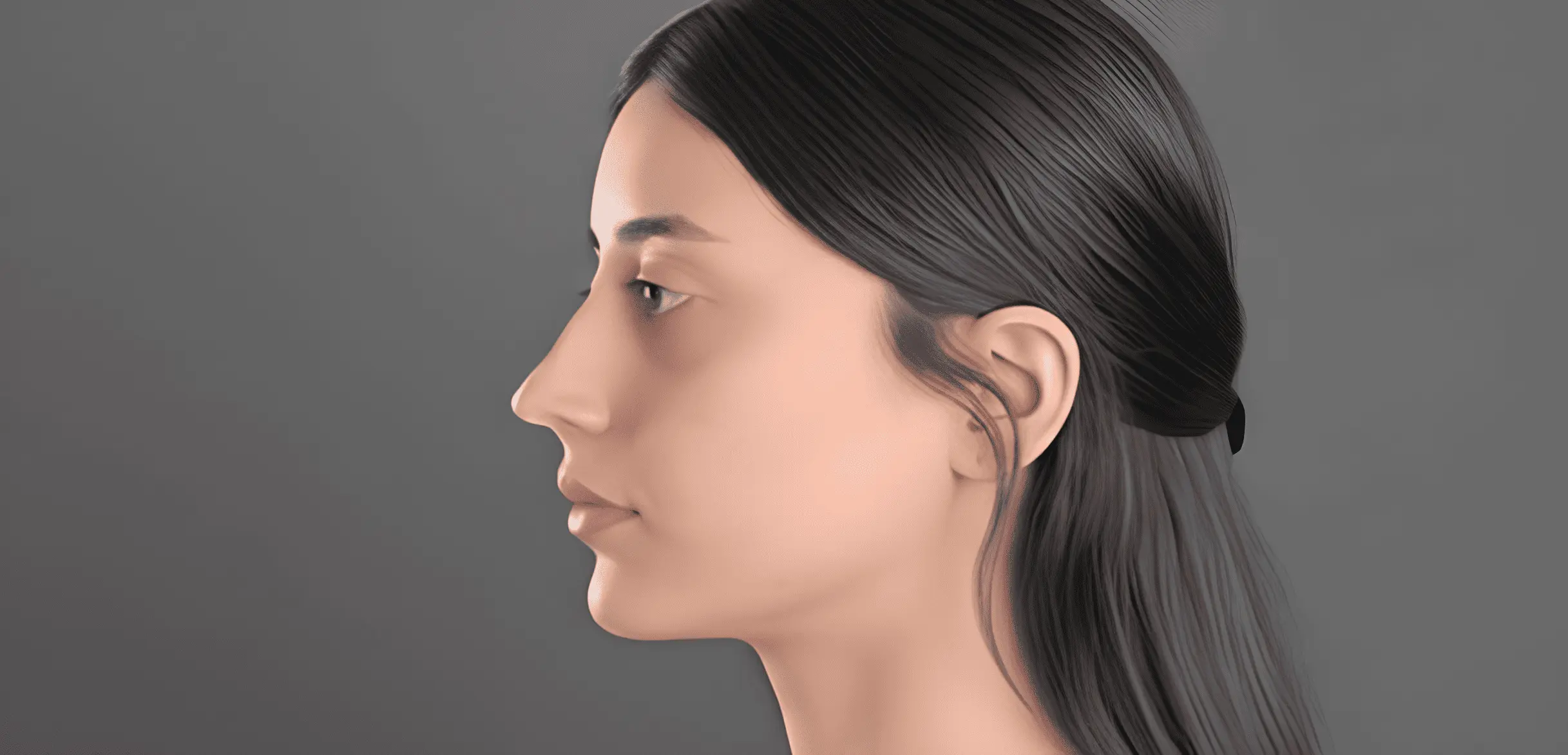
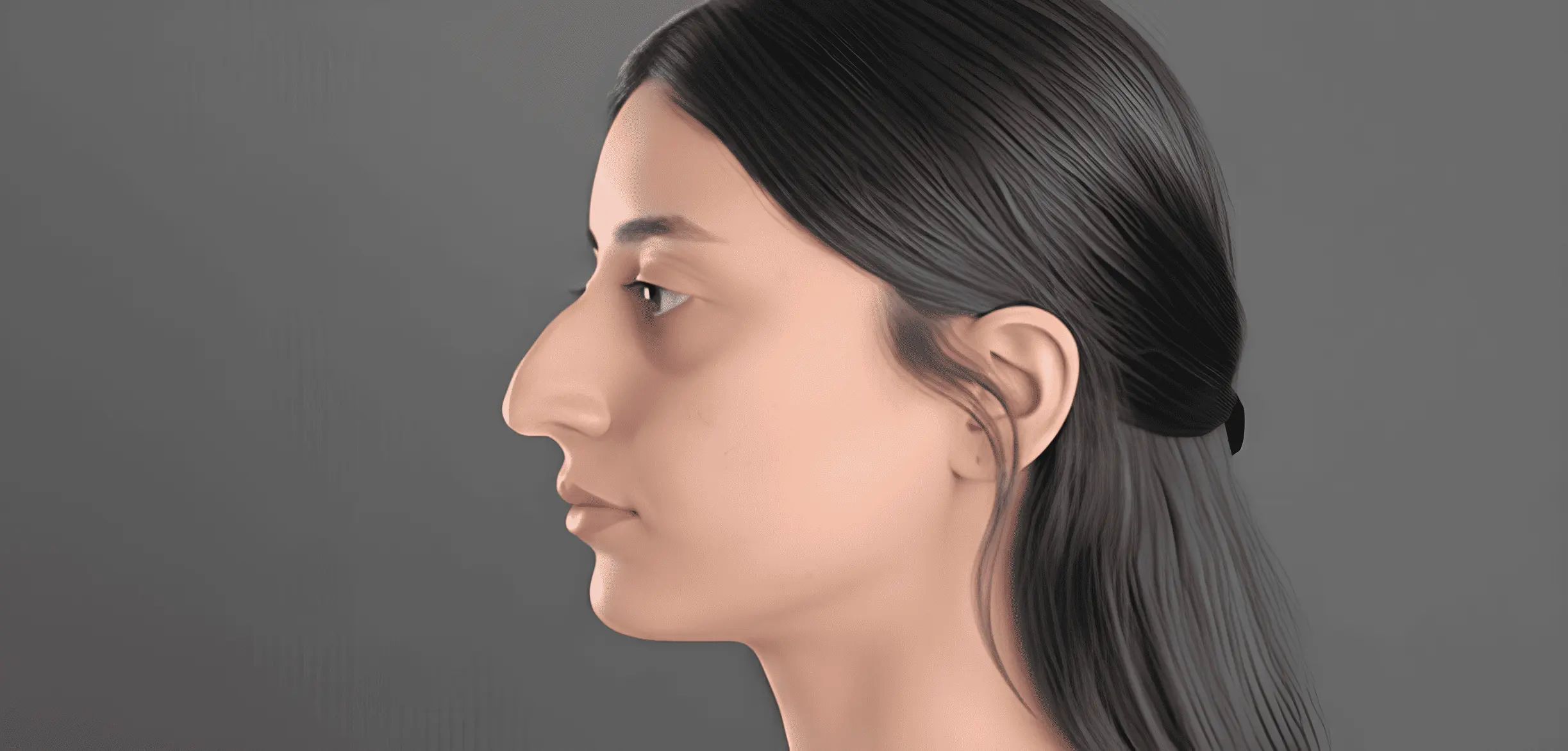
    Rhinoplasty in Turkey Before and After

    Viewing “before and after” photos is essential to understanding a surgeon’s aesthetic style. Authentic photos should show the patient in consistent lighting and angles. Keep in mind that photos show the result at a specific moment in time; ask to see long-term healed results (1 year post-op) to evaluate how the nose ages and settles.
    How Does The Rhinoplasty Turkey Procedure Work?

    Consultation

    The process begins with a detailed examination of your nasal structure and skin thickness. Your surgeon at Istanbul European Clinic may use 3D imaging to simulate potential outcomes and discuss whether open or closed technique is best.

    Medical Test

    Before surgery, you will undergo comprehensive blood tests and a consultation with an anesthesiologist. This ensures you are safe to undergo general anesthesia and helps the team prepare for your specific medical needs.

    Surgery

    The procedure takes 1 to 3 hours under general anesthesia. Depending on the plan, the surgeon reshapes the bone and cartilage, corrects the septum if necessary, and sutures the incisions (internal for closed, columella for open).

    Recovery

    You will likely spend one night in the hospital for monitoring. Afterward, you return to your hotel to rest. You must keep the nasal splint dry and follow a regimen of ice packs and prescribed medication to manage swelling.

    Follow up

    Around day 6 or 7, you return to the clinic for cast removal and a final assessment. The surgeon provides specific instructions for the flight home and long-term care, such as taping the nose at night.

    Doctor discussing treatment options with patients

    Side Effects of Rhinoplasty in Turkey

    • Common: Temporary swelling and bruising around the eyes.
    • Common: Nasal congestion and difficulty breathing through the nose for a few weeks.
    • Common: Numbness in the nasal tip or upper lip (usually temporary).
    • Rare: Infection or excessive bleeding (hematoma).
    • Rare: Asymmetry or dissatisfaction with the aesthetic shape requiring revision.
    • Rare: Septal perforation (hole in the septum).

    What our PATIENTS say

    what is your problem

    Frequently Asked Questions

    How long does a nose rhinoplasty last?

    Rhinoplasty can provide long-lasting results that are often permanent, although this can vary based on individual factors. However, it’s important to have realistic expectations and discuss any concerns with your surgeon to ensure the best possible outcome.

    How much for a nose job in Turkey?

    The rhinoplasty turkey cost typically ranges from €2,450 to €4,000. This price often varies based on the surgeon’s expertise, the complexity of the surgery (e.g., primary vs. revision), and the specific clinic chosen.

    What is the safest country to get a nose job?

    Turkey is considered one of the safest countries for rhinoplasty due to its strict medical regulations, high volume of experienced surgeons, and numerous JCI-accredited hospitals. However, safety ultimately depends on choosing a reputable clinic and a board-certified surgeon.

    How long should I stay in Turkey for a nose job?

    It is recommended to stay in Turkey for 7 to 10 days. This allows time for the surgery, initial recovery, and the removal of the nasal splint and stitches by your surgeon before you fly home.

    Is it safe to travel to Turkey for cosmetic surgery?

    Yes, thousands of international patients travel to Turkey annually for cosmetic surgery safely. To ensure safety, choose clinics with international accreditations, verify surgeon credentials, and utilize established medical tourism agencies or clinics like Istanbul European Clinic.

    How much is rhinoplasty in Turkey?

    The average price falls between €2,450 and €4,000. This is significantly lower than European or US prices, which can exceed €8,000, making Turkey a cost-effective option for high-quality care.

    What is included in a rhinoplasty package in Turkey?

    A standard turkey rhinoplasty package usually includes the surgical fee, anesthesia, hospital stay, pre-op tests, post-op medication, VIP airport transfers, and hotel accommodation.

    Who is the best rhinoplasty surgeon in Turkey?

    There is no single “best” surgeon, as it depends on your specific needs (e.g., ethnic, revision, or reconstructive). Look for board-certified surgeons with extensive portfolios of results similar to your goal.

    How to prepare for rhinoplasty Turkey?

    Stop smoking and avoid alcohol for at least two weeks prior. Avoid blood-thinning medications (like aspirin) as advised by your doctor. Arrange your travel, visa, and accommodation, and pack comfortable clothing that doesn’t need to be pulled over your head.

    What clinic Turkey rhinoplasty?

    Choosing the right clinic involves checking for JCI or ISO accreditation and reading verified patient reviews. Istanbul European Clinic is an example of a facility that focuses on international patient care and safety standards.

    What to eat after rhinoplasty surgery in Turkey?

    Stick to a soft, bland diet for the first few days to avoid excessive chewing, which can move facial muscles. Foods like yogurt, soup, mashed potatoes, and scrambled eggs are ideal. Stay hydrated and avoid spicy or very hot foods.

    Why is rhinoplasty so cheap in Turkey?

    Rhinoplasty is more affordable due to the lower cost of living, lower labor costs, and favorable currency exchange rates in Turkey. Additionally, the government supports medical tourism, helping clinics keep prices competitive.

    Is Turkey a good place to get a nose job?

    Yes, Turkey is a global leader in rhinoplasty. It offers a combination of highly skilled surgeons who perform high volumes of surgeries, advanced medical technology, and affordable all-inclusive packages.

    Why is rhinoplasty so cheap in Turkey?

    The lower pricing is driven by economic factors such as lower operational expenses, wages, and facility costs compared to the UK or USA, not by a lack of quality.

    How long do I need to stay in Turkey after rhinoplasty?

    You should plan to stay for about 7 days after the surgery. This ensures the surgeon can monitor immediate complications and remove the cast before you are cleared to fly.

    Which city in Turkey is best for rhinoplasty?

    Istanbul is the primary hub for medical tourism, hosting the highest concentration of accredited hospitals and experienced surgeons. It offers excellent infrastructure for international patients.

    How many days after rhinoplasty can I see the final results?

    While you will see a significant change immediately after cast removal (around day 7), the final results take about 12 months to fully emerge as all residual swelling subsides.

    Are Turkish rhinoplasty surgeons board-certified?

    Reputable surgeons in Turkey are board-certified by the Turkish Society of Plastic, Reconstructive, and Aesthetic Surgeons. Many also hold memberships in European (EBOPRAS) or American (ASPS) boards.

    What are the safest ways to arrange a medical trip for Rhinoplasty in Turkey?

    To arrange a safe trip, book directly through accredited clinics or reputable medical tourism agencies. Verify that the clinic provides a clear contract, includes insurance options, and offers a pre-travel video consultation with the surgeon.

    How can I verify clinic accreditations and patient reviews before traveling for surgery?

    Check if the hospital has JCI (Joint Commission International) or ISO accreditation. For reviews, look at independent platforms like Trustpilot, Google Reviews, and RealSelf to read unfiltered experiences from past patients regarding their rhinoplasty turkey journey.

    How can international patients compare accredited clinics for Rhinoplasty abroad?

    Compare clinics by requesting consultations with multiple providers. Ask about their revision rates, request to see full photo galleries, and compare the specific inclusions in their turkey rhinoplasty package price to ensure there are no hidden costs.

    How do clinics handle complications if they occur after returning home?

    Reputable clinics provide aftercare support via WhatsApp or video calls. Before booking, ask your surgeon about their policy for complications; some clinics offer free revision surgery if the issue is due to a surgical error, though travel costs may fall to the patient.

    How do I compare Rhinoplasty pricing across clinics?

    When looking at the rhinoplasty cost in turkey, ensure you are comparing “apples to apples.” Check if the quote includes the anesthesiologist fee, hospital stay, medication, and hotel. An unusually low price might exclude essential services.

    What factors explain price differences for Rhinoplasty between countries?

    The average cost of rhinoplasty in turkey is lower mainly due to economic differences, such as rent, salaries, and insurance costs, which are much higher in Western Europe and North America. This allows Turkish clinics to offer high standards at a fraction of the price.