

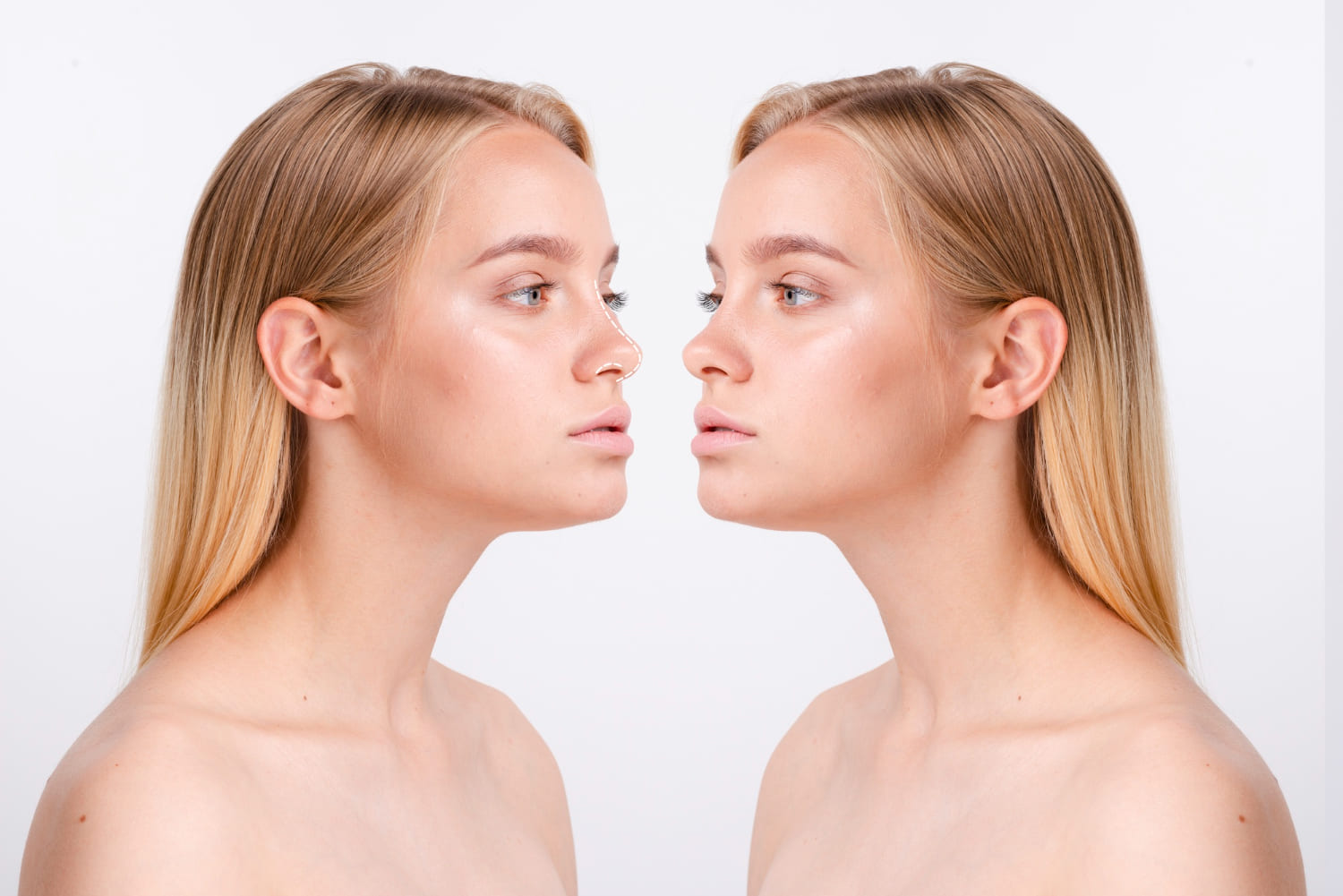
If your nostrils look uneven after rhinoplasty, you’re not alone — and in many cases, it does not mean something went wrong.
One of the most common concerns after nose surgery is the appearance of asymmetry during healing. Many patients look in the mirror and think, “Why do my nostrils look different?” Why is one side higher, wider, or more swollen? It can be frustrating, especially when you’re hoping to see a balanced result right away.
The good news is that uneven nostrils after rhinoplasty are often part of normal healing, especially in the first few weeks and months. Swelling rarely settles evenly, and scar tissue can form differently on each side. That said, there are situations in which uneven nostrils may warrant closer evaluation.
In this guide, we’ll cover what’s normal, what causes nostril asymmetry after rhinoplasty, how long it can last, and when it may be time to talk to your surgeon about treatment options.
Important: This article is for general education and does not replace medical advice. Always follow your surgeon’s instructions and recovery timeline.
Is It Normal for Nostrils to Be Uneven After Rhinoplasty?
Yes — in many cases, it is normal for the nostrils to appear uneven during healing.
Rhinoplasty recovery is not perfectly symmetrical. Even if the surgery was carefully performed, the body may heal one side faster than the other. This is especially true in the nostril area, where swelling, scar tissue, and internal healing can all affect shape.
It’s common to notice:
- One nostril looks more open than the other.
- One side appears higher or flatter.
- Uneven swelling around the rim of the nostril
- Asymmetry that changes from week to week
This can feel alarming, but early asymmetry is often temporary. In many patients, the nostrils gradually become more balanced as swelling resolves and tissues soften.
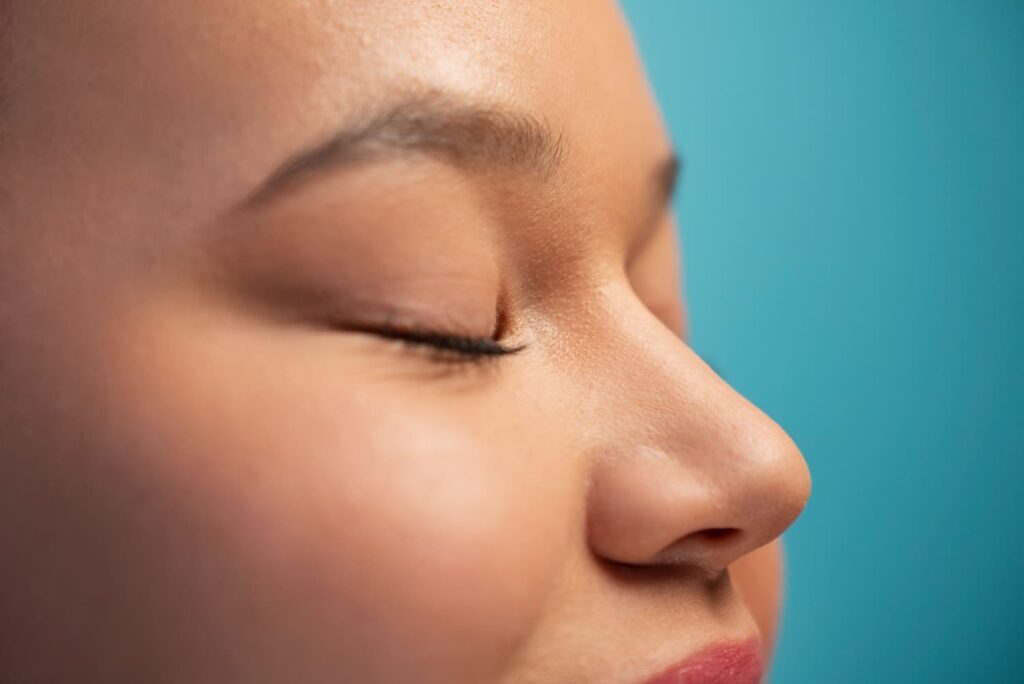
Why Nostrils Look Uneven During Healing (Even When Surgery Went Well)
Before assuming something is wrong, it helps to understand how healing works. The nose is a complex structure, and small differences in swelling can make the nostrils look more uneven than they really are.
1) Swelling settles unevenly
One of the biggest reasons you may experience uneven nostrils after rhinoplasty is that swelling is not equal on both sides.
The body doesn’t heal in a perfectly matched way. One nostril may stay puffy longer, which can make it look:
- rounder
- narrower
- pulled upward
- more closed off
This is why many patients notice uneven nostrils after rhinoplasty, especially in the first few months.
2) Internal swelling can change the nostril shape
Some asymmetry is not just visible on the outside. Internal swelling inside the nostrils can also affect how they look from the front or underneath.
Even if the outer nose looks fine, internal healing can temporarily make one nostril appear smaller or more collapsed.
3) Scar tissue forms differently on each side
Scar tissue is a normal part of healing, but it doesn’t always form evenly. One side may feel firmer or look tighter for a while, creating a visible asymmetry of the nostrils.
Scar tissue can also make the nose look “off” at certain angles, especially in the early months.
4) The tip is still healing (and affects nostril appearance)
Sometimes the nostrils aren’t the real issue — the tip is.
If the nasal tip is still swollen, rotated, or settling, it can change how the nostrils appear. This can make patients think the nostrils are uneven when the real cause is tip swelling or uneven tip healing.
5) Natural facial asymmetry becomes more noticeable
Most people already have some asymmetry in their faces and nostrils before surgery. After rhinoplasty, those natural differences may become more noticeable because the nose shape has changed, and swelling draws more attention to the area.
How Long Are Nostrils Uneven After Rhinoplasty?
This is one of the most common questions, and the answer depends on your healing speed, skin thickness, surgical technique, and whether this was a primary or revision rhinoplasty.
In general, nostril asymmetry can continue improving for many months.
First 1–4 weeks
This is the most unpredictable phase. Swelling is at its highest, and asymmetry can look dramatic. It’s very common for one nostril to look higher, wider, or more swollen than the other.
1–3 months
Swelling starts to improve, but the nose is still healing significantly. Many patients notice the nostrils still look uneven, especially in photos or from the underside.
This is why concerns like uneven nostrils 3 months after rhinoplasty are extremely common. At this stage, asymmetry may still be temporary.
3–6 months
You may see more refinement, but some swelling and scar tissue can still be present. If you’re dealing with uneven nostrils 6 months after rhinoplasty, it may still improve — but this is a good time to discuss your concerns during follow-up visits so your surgeon can track the healing pattern.
6–12 months
By this point, many patients have a much clearer idea of their result. However, the tip and nostril area can still continue to settle, especially in thicker skin or more complex cases.
If you notice uneven nostrils 1 year after rhinoplasty, it may be time for a more detailed evaluation. At this stage, your surgeon can better determine whether the asymmetry is due to lingering tissue changes or a structural issue that might benefit from treatment.
Common Causes of Uneven Nostrils After Rhinoplasty
There are two broad categories: temporary healing-related causes and structural causes.
Understanding the difference helps reduce panic and makes your next steps clearer.
Temporary (Often Normal) Causes
Uneven postoperative swelling
This is the most common cause of nostrils looking uneven after rhinoplasty in early recovery.
Internal inflammation
Swelling inside the nostril can temporarily change shape and airflow.
Scar tissue tightness
One side may feel or appear tighter as scar tissue matures.
Healing asymmetry
Your body may simply heal one side slower than the other.
Pressure during recovery
Sleeping on one side, accidental pressure, or minor bumps can increase swelling on one side.
Structural (May Need Evaluation) Causes
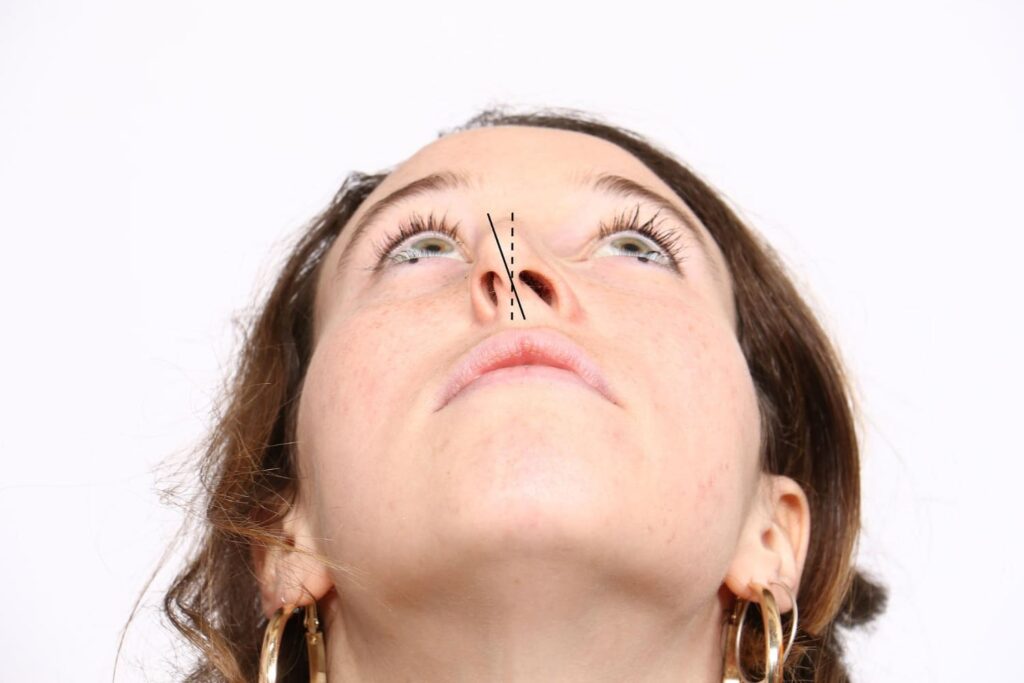
Alar rim asymmetry
The nostril rims may heal at slightly different heights or contours.
Cartilage support differences
If one side has less support, the nostril may appear more retracted or collapsed.
Nostril base asymmetry
The base of the nostrils (where they attach to the face) may heal unevenly or reveal a pre-existing asymmetry.
Septal or internal valve issues
Structural changes inside the nose can affect both nostril shape and breathing.
Scar contracture
In some cases, scar tissue can pull on the nostril and shift its position over time.
After Rhinoplasty: Swelling or True Asymmetry? How to Tell the Difference
This is the question most patients are really asking.
Here are a few signs the asymmetry may be mostly swelling-related:
- The nostril shape changes over time (week to week)
- The asymmetry looks worse in the morning or after activity.
- One side feels firmer or puffier.
- Your surgeon says the tissues are still healing.
- The asymmetry is improving slowly, even if not perfectly.
Signs the issue may be more structural:
- The nostril position stays the same for months.
- The asymmetry becomes more noticeable after swelling improves.
- You have breathing difficulty on one side.
- One nostril collapses when you inhale.
- Your surgeon identifies support or scar-related changes.
If you’re unsure, the best approach is to compare progress photos and ask your surgeon to assess whether the issue appears soft-tissue (swelling/scar) or structural.
What Affects How Evenly Your Nostrils Heal?
Not everyone heals at the same speed, and that’s important to remember.
Several factors can affect whether the unevenness of the nostrils after rhinoplasty persists longer than expected:
Skin thickness
Thicker skin usually means swelling lasts longer, especially around the tip and nostril area.
Scar tendency
Some people naturally form more scar tissue, which can create temporary tightness or visible asymmetry.
Surgical complexity
Revision rhinoplasty, major tip work, or changes to the nostril base can increase healing time.
Pre-existing asymmetry
If your nostrils were uneven before surgery, some asymmetry may remain (even with improvement).
Recovery habits
Pressure on the nose, poor sleep positioning, smoking, and missed follow-ups can all affect healing.
How to Fix Uneven Nostrils After Rhinoplasty
The right “fix” depends on why the nostrils look uneven.
In many cases, the fix isn’t immediate treatment—it’s time and careful follow-up.
1) Follow your surgeon’s healing plan first
If you’re early in recovery, the first step is usually:
- Follow all aftercare instructions.
- avoid pressure or trauma to the nose
- attend scheduled follow-up appointments
- Avoid self-diagnosing too early.
This is especially important if the issue is swelling or uneven nostrils after rhinoplasty, which may resolve on its own.
2) Ask about non-surgical options (if appropriate)
Depending on your surgeon and your healing pattern, some patients may benefit from:
- customized taping (only if advised)
- scar management strategies
- steroid injections (in selected cases with scar tissue/swelling)
Not every patient needs these, and they should only be used under your surgeon’s guidance.
3) Revision rhinoplasty (for persistent structural asymmetry)
If the nostrils remain uneven after full healing and the cause is structural, revision rhinoplasty may be an option.
Revision may be considered for issues such as:
- nostril rim asymmetry
- retraction
- support weakness
- scar contracture
- persistent asymmetry affecting appearance or breathing
Most surgeons prefer to wait until healing is more complete before deciding on revision, often around the 12-month mark (sometimes longer depending on the case).
When to Be Concerned About Asymmetrical Nostrils After Rhinoplasty
Some asymmetry is normal — but some symptoms deserve a closer look.
Contact your surgeon if you notice:
1) Breathing problems
If one side feels blocked, collapses when breathing in, or airflow worsens, there may be a functional issue.
2) Worsening asymmetry over time
If the nostrils looked more balanced earlier but became increasingly uneven later, scar contracture or healing changes may need evaluation.
3) Signs of infection
Watch for:
- increasing redness
- warmth
- discharge
- fever
- worsening pain
4) Sudden changes after trauma
Even a small bump can affect healing. If the shape of the implant changed after an accidental impact, let your surgeon know.
5) Persistent asymmetry after the healing window
If you still have uneven nostrils 1 year after rhinoplasty, it’s reasonable to request a detailed assessment and discuss whether the issue is temporary, scar-related, or structural.
Can Nostrils Ever Be Perfectly Symmetrical After Rhinoplasty?
Usually, no — and that’s normal.
No face is perfectly symmetrical, and no rhinoplasty result is mathematically identical from side to side. The goal is improvement, balance, and harmony, not perfection.
A successful result can still include minor differences in nostril shape or size, especially when viewed from below. What matters most is whether the nose looks natural, functions well, and feels proportionate to your face.
Setting realistic expectations can make recovery much less stressful.
Questions to Ask Your Surgeon If Your Nostrils Look Uneven
If you’re worried, bring clear questions to your follow-up visit. Helpful questions include:
- Is this asymmetry likely swelling or something structural?
- Is one side healing slower than the other?
- Do you see scar tissue affecting the nostril shape?
- Is my breathing normal on both sides?
- Do you recommend taping or other treatment right now?
- At what point should we reassess for possible revision?
Take photos over time (at the same angle, with the same lighting), so your surgeon can compare progress more accurately.
Final Takeaway
Seeing nostrils uneven after rhinoplasty can be stressful, but it’s often part of the healing process — especially early on. Uneven swelling, scar tissue, and normal healing differences commonly make the nostrils look asymmetrical before the final result settles.
The key is to focus on:
- healing stage
- whether the asymmetry is improving
- whether breathing is affected
- Your surgeon’s follow-up assessment
If your nostrils look uneven after rhinoplasty at 3 or 6 months, it may still be too early to judge. If the asymmetry remains at 1 year or affects breathing, it’s a good time to discuss treatment options.
Healing takes patience, and in many cases, what looks uneven now improves more than expected.