

Medically reviewed by Prof. Cüneyt Kayaalp · Written by Akya karahan
A gastric sleeve revision is a second procedure that corrects or converts a previous sleeve gastrectomy when it no longer delivers the results a patient needs — whether that is renewed weight loss, relief from acid reflux, or repair of a complication. If your sleeve has stopped working the way you hoped, revision is a well-established option, and understanding how it works is the first step toward deciding whether it is right for you.
What is a gastric sleeve revision?
A gastric sleeve revision (also called a sleeve gastrectomy revision or simply a sleeve revision) is any procedure performed after an initial sleeve gastrectomy to improve weight-loss results or resolve a problem caused by the first surgery. Some revisions tighten or re-shape the existing sleeve; others convert it into a different type of bariatric procedure, such as a gastric bypass or duodenal switch.
Revision is a recognised part of long-term obesity care, not a sign of failure. Professional bodies such as the American Society for Metabolic and Bariatric Surgery (ASMBS) note that patients are entitled to revisional therapy when a first procedure produces a partial response, no response, or a complication. Because sleeve gastrectomy and gastric bypass are the two most widely performed bariatric operations worldwide, revisions after a sleeve are increasingly common as more people reach the five- and ten-year mark since their original surgery.
Why do gastric sleeves need revision?
Most revisions come down to one of three issues.
Inadequate weight loss or weight regain
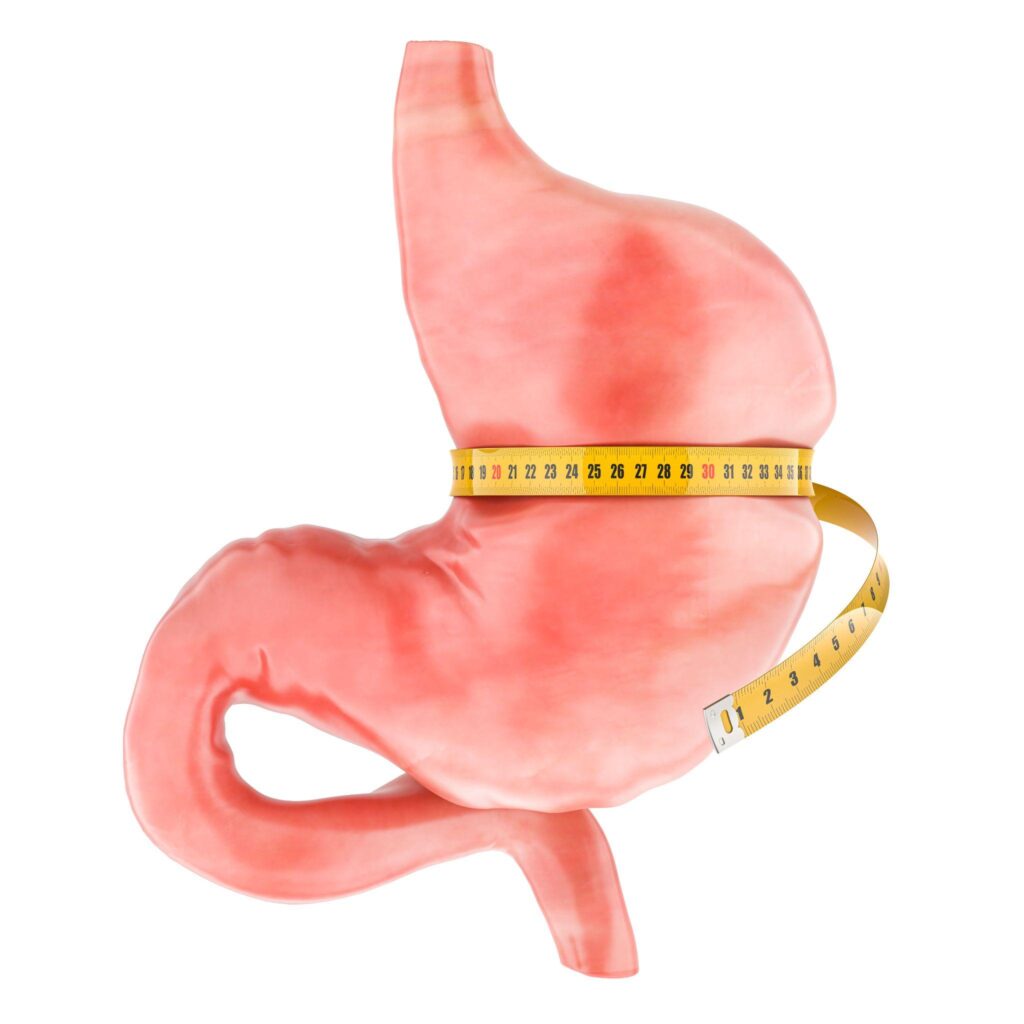
The most common reason for a sleeve revision is not losing enough weight, or regaining weight after an initial success. Over time, the stomach sleeve can stretch and hold larger volumes again, which reduces the feeling of fullness that made the sleeve effective. Weight regain is not only anatomical — changes in eating patterns and daily habits play a major role too, which is why surgeons assess both before recommending a revision.
Acid reflux (GERD) after a sleeve
A smaller group of patients develop or worsen gastro-oesophageal reflux disease (GERD) after a sleeve gastrectomy. Because the sleeve creates a higher-pressure, tube-shaped stomach, it can push acid upward. When reflux is severe and does not respond to medication, converting the sleeve to a gastric bypass — which creates a lower-pressure pouch — is usually preferred over re-shaping the sleeve.
Complications such as stricture
Less commonly, a narrowing (stricture) or twist in the sleeve causes pain, difficulty swallowing, or persistent nausea. These structural problems can also warrant a revision to restore normal function.
Types of gastric sleeve revision
There is no single “sleeve revision.” The right procedure depends on why the revision is needed, and the options range from a non-surgical endoscopic touch-up to a full conversion to another operation. The primary bariatric procedures these conversions draw on — sleeve, bypass, and duodenal switch — are described in plain terms by the National Institute of Diabetes and Digestive and Kidney Diseases (NIDDK).
Endoscopic (non-surgical) sleeve revision
An endoscopic revision — sometimes called a sleeve-in-sleeve — tightens a stretched sleeve from the inside using a suturing device passed through the mouth, with no incisions. It is the least invasive option, usually performed as an outpatient procedure, and is best suited to patients whose main issue is a dilated sleeve with modest weight regain.
Re-sleeve (repeat sleeve gastrectomy)
A re-sleeve surgically removes the stretched portion of the stomach to recreate a smaller sleeve. It keeps the same overall anatomy as the original operation and can be an option for weight regain when the sleeve has genuinely enlarged.
Sleeve to gastric bypass (Roux-en-Y)
Converting a sleeve to a Roux-en-Y gastric bypass is the most common surgical revision. It creates a small stomach pouch and re-routes the small intestine, adding a mild malabsorptive effect on top of the restrictive one. It is the go-to choice for patients with significant reflux, as well as those who need more weight loss.
Sleeve to duodenal switch (or SADI-S)
For patients who need substantial additional weight loss — often those with a higher BMI — converting the sleeve to a duodenal switch, or the simpler single-anastomosis version (SADI-S), adds a more powerful malabsorptive component. It is more complex and carries a greater lifelong nutritional-monitoring burden.
One-anastomosis gastric bypass (OAGB)
OAGB is a bypass variant with a single intestinal connection, making it technically simpler than a full Roux-en-Y while still combining restriction and malabsorption.
At a glance — how the main revision options compare:
| Revision option | Best suited for | Invasiveness | Weight-loss potential |
|---|---|---|---|
| Endoscopic (sleeve-in-sleeve) | Mild weight regain from a stretched sleeve | Lowest — outpatient, no incisions | Modest |
| Re-sleeve (repeat sleeve gastrectomy) | Weight regain with a genuinely enlarged sleeve | Moderate | Moderate |
| Sleeve → gastric bypass (Roux-en-Y) | Reflux/GERD and inadequate weight loss | Higher | High |
| Sleeve → duodenal switch / SADI-S | High BMI or a large amount of weight still to lose | Highest | Highest |
| One-anastomosis gastric bypass (OAGB) | Inadequate weight loss; a simpler bypass option | Higher | High |
Weight-loss potential and suitability vary from person to person; a surgeon’s assessment is essential.
Which gastric sleeve revision is right for you?
Because each option solves a different problem, matching the procedure to the reason for revision matters more than choosing the “strongest” operation. As a general guide:
- Mainly a stretched sleeve with modest regain — an endoscopic revision or re-sleeve may be enough.
- Significant reflux or GERD — conversion to a gastric bypass is usually preferred.
- A large amount of weight still to lose, or a high BMI — a duodenal switch/SADI-S or bypass adds a malabsorptive effect.
- A stricture or structural problem — the revision focuses on repairing the anatomy, often via a bypass.
A surgeon will normally ask for the operative note from your first surgery, review your current anatomy (often with an endoscopy or imaging study), and factor in your health history before recommending an approach. This is why two patients with what looks like the same complaint can be offered different revisions.

Am I a candidate for a gastric sleeve revision?
Candidacy for a revision is assessed much like the first surgery, with extra attention to what happened afterward. Guidance summarised by bodies such as the NIDDK indicates that bariatric surgery is generally appropriate for adults with a BMI of 35 or above, or a BMI of 30 or above alongside a serious obesity-related condition such as type 2 diabetes. For a revision specifically, surgeons also look for:
- Documented weight regain or inadequate weight loss after the original sleeve, or a clear complication such as reflux or stricture.
- Enough healing time since the first operation.
- A thorough medical evaluation, including tests to confirm you are fit for a second procedure.
- Readiness to commit to the dietary and lifestyle changes that support long-term results — because, like the first surgery, a revision is a tool rather than a cure.
Success rates and realistic expectations
A revision can reignite weight loss and resolve troublesome symptoms, but outcomes vary widely by procedure type and by the reason for the revision. Endoscopic revisions tend to produce more modest weight loss, while conversions to a bypass or duodenal switch generally offer greater potential — at the cost of higher complexity. Revision surgeries are also, on average, more technically demanding and carry somewhat higher risks than a first-time operation, because the surgeon is working with altered anatomy and scar tissue.
The honest answer to “is a gastric sleeve revision worth it?” is that it depends on the problem being solved and your commitment afterward. For persistent GERD or a genuine anatomical failure, a revision can be life-changing. For weight regain driven mainly by habits, surgeons will often want to address those factors alongside — or before — any second procedure.
Risks and recovery
Like any operation, a gastric sleeve revision carries risks including infection, bleeding, reactions to anaesthesia, and — for surgical conversions — the possibility of a leak at a new connection. Because revisions involve previously operated tissue, these risks can be modestly higher than for a primary sleeve. Recovery follows a staged path similar to the first surgery: a period on liquids, progressing to puréed and then soft foods, with a gradual return to normal activity over several weeks. Your surgical team will provide a specific diet and activity plan for your procedure.
If your first surgery was performed abroad
Many people considering a revision had their original sleeve done in another country. That is entirely workable, but a few practical points help:
- Try to obtain your original operative note and discharge records — surgeons rely on them to understand your exact anatomy.
- Expect a fresh evaluation, since your anatomy and health may have changed since the first operation.
- Think about continuity of care — where your follow-up appointments and dietary support will come from.
A clinic experienced in primary bariatric procedures is well placed to evaluate a previous sleeve and discuss whether a revision, or another approach, fits your situation. You can read more about the full range of procedures on our bariatric surgery in Turkey overview, or about the primary operations themselves on our gastric sleeve and gastric bypass pages.
Not sure whether your sleeve needs a revision? Our team can review your history and original surgery details and help you understand whether a revision — or another approach — is right for you.
Explore bariatric surgery options · Book a free consultation
Frequently asked questions
Is a gastric sleeve revision worth it?
It can be — particularly for severe reflux or a genuine anatomical problem, where a revision can resolve symptoms and restore function. For weight regain, results depend heavily on addressing eating and lifestyle factors alongside the procedure.
What is the success rate of a gastric sleeve revision?
Success varies by procedure. Endoscopic revisions offer modest renewed weight loss, while conversions to a bypass or duodenal switch generally offer more, with higher complexity. A surgeon can give you a realistic estimate based on your anatomy and the reason for the revision.
How do you get approved for a gastric sleeve revision?
Approval usually requires documented weight regain, inadequate weight loss, or a complication after the original sleeve, together with a full medical evaluation. Where insurance is involved, the requirements vary by policy and by country.
Is a sleeve revision the same as a gastric sleeve?
No. A gastric sleeve is the first-time procedure; a revision modifies or converts an existing sleeve to improve results or fix a problem.
How long should I wait after my sleeve before a revision?
Surgeons generally want to see enough healing and a clear pattern of weight regain or symptoms before recommending a revision. The exact timing is individual and decided case by case.