
Article
Hair Transplant Aftercare: Your Recovery Day by Day, and Month by Month
An independent partner surgeon checked the medical claims on this page. What applies to your own case is decided by the surgeon who examines you.
Written by the editorial team, not by a clinician. Nothing here is medical advice: your independent partner surgeon decides what applies to you.
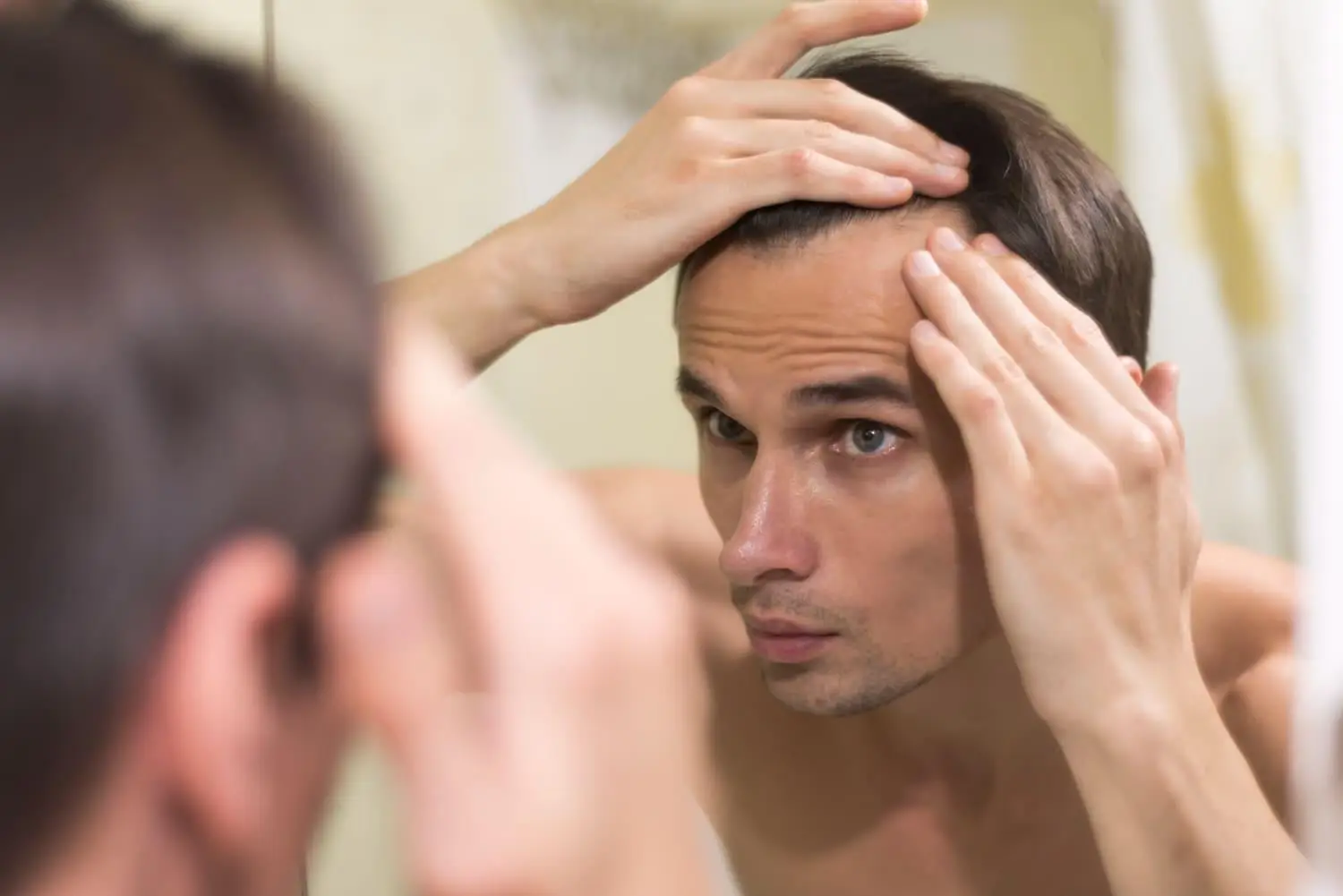
A successful hair transplant does not end when you leave the clinic. It depends just as much on what you do over the following days and weeks. Good aftercare protects the newly placed grafts while they take hold, keeps the donor and recipient areas clean and infection-free, and gives your new hair the best possible chance to grow in thick and natural. Get it right and the results speak for themselves; cut corners in the first ten days and you risk dislodging grafts you have already paid for.
Quick overview: the grafts are most vulnerable in the first 7–10 days, scabs form and shed within about two weeks, the transplanted hair sheds (this is normal) over the first one to two months, new growth begins around months three to four, and you see close to your final result at twelve to eighteen months. This guide walks through each stage day by day and answers the questions patients ask most.
Hair transplant recovery timeline at a glance
| Stage | What happens |
|---|---|
| Days 1–2 | Tenderness and tiny scabs; grafts are most vulnerable; swelling may begin. |
| Days 3–7 | First gentle washes; swelling peaks then fades; scabs start to soften. |
| Weeks 2–4 | Scabs gone; redness settles; transplanted hairs begin to shed; back to work. |
| Months 1–3 | Shedding completes; quiet “ugly duckling” phase; possible shock loss. |
| Months 3–6 | New hairs start to appear, fine at first, then thicken. |
| Months 6–18 | Density builds and matures into your final, natural result. |
The first 24–48 hours: the most important window
Immediately after surgery your scalp will feel tight and tender, and the recipient area will show tiny scabs around each graft. This is the critical period: the grafts are not yet anchored, so protecting them is your only job.
- Do not touch, scratch, or rub the transplanted area, however much it itches or tingles.
- Sleep semi-upright (around 45 degrees) using a travel pillow or stacked pillows to limit swelling and keep pressure off the grafts.
- Expect some light oozing or pinpoint bleeding on the first night. Dab gently with sterile gauze only if your clinic advises, never wipe.
- Avoid bending over, lifting, alcohol, and smoking, all of which raise blood pressure and swelling.
Most clinics send you home with a saline spray to keep the grafts moist; use it exactly as instructed. If you have travelled abroad for your procedure, keep your head protected from the sun and dust on the journey back to your hotel.
The first week (days 1–7)
This is when the foundations of your result are set. Swelling, often around the forehead and sometimes the eyes, typically peaks on days two to four and then subsides. It looks alarming but is harmless and temporary.
The first wash usually happens on the day your clinic specifies (often the second or third day). It is gentle and deliberate: lukewarm water, a clinic-recommended foam or mild shampoo applied by patting rather than rubbing, and rinsing by pouring water over the head with a cup rather than using direct, forceful flow. Done correctly, washing actually helps the scabs loosen and the scalp heal. Done too roughly, it can pull grafts.
By the end of the first week the scabs begin to soften and flake away. Resist the urge to pick them. Let them fall naturally during your gentle washes. Numbness, mild tightness, and itching are all common and normal at this stage.
It helps to know what is normal to see. The recipient area (where the new grafts sit) will look pink or red with crusting around each tiny graft, while the donor area (usually the back and sides, where the follicles were taken) heals quickly and is often barely noticeable within a week or two for FUE. Some redness can linger for a few weeks in fair skin; this fades on its own. Keep both areas clean exactly as instructed, and avoid any product, dye, or styling that has not been cleared by your clinic.
Weeks 2–4
By around day ten to fourteen, the majority of scabs have shed and the recipient area looks much calmer and less red. For many people this is the point at which the transplant becomes far less noticeable, and most patients feel comfortable returning to office work and social settings.
Shedding begins. Over weeks two to four, the transplanted hairs typically fall out. This is expected and is not a failure. The follicles remain safely in place beneath the skin and will produce new hairs in the coming months. Light exercise can usually resume after about two weeks, and most clinics clear heavy training, swimming, and saunas at around four weeks. You can normally wear a loose hat after roughly ten to fourteen days, but check your clinic’s exact timing first.
Many patients ask when they will look normal in public. By two to three weeks most of the visible signs, redness and crusting, have settled enough that the average person would not notice anything. A short haircut on the existing hair, agreed with your clinic, can help things blend during this phase. Continue to avoid harsh sun, and keep eating well and staying hydrated, as good nutrition genuinely supports follicle recovery.
Months 1–6: shock loss and early regrowth
The “ugly duckling” phase. After the transplanted hairs shed, there is often a quieter period where the scalp can look thinner than you hoped, sometimes accompanied by temporary shedding of nearby existing hairs, known as shock loss. It is unsettling but almost always temporary, and the lost native hairs usually grow back.
New growth typically starts to appear around months three to four. The first hairs are often fine and may look patchy or uneven; this evens out as more follicles activate. By month six, noticeable density is usually returning and the result starts to look like genuine progress rather than a waiting game.
This stretch tests your patience more than anything else, so it helps to set expectations early: progress is not linear, and comparing yourself week to week can be discouraging. Monthly photos in the same lighting are a better gauge than the bathroom mirror. If your surgeon has recommended supportive treatments such as minoxidil, finasteride, or PRP sessions to protect your existing hair and encourage growth, follow that plan consistently, but only ever start or change medication on your clinician’s advice, not on the basis of online forums.
Months 6–12 and beyond: your final result
From six months onward the new hair thickens and matures, blending with your existing hair. Most people see the bulk of their result by twelve months, with the final refinement, full density and texture, settling between twelve and eighteen months, and sometimes longer for the crown. Patience through the earlier stages is rewarded here.
How to wash your hair after a transplant
Washing is the aftercare step patients worry about most, so here is the general method (always follow your clinic’s specific instructions):
- Apply the recommended foam or lotion to the grafts and leave it to soften scabs for the advised time.
- Rinse with lukewarm water poured gently from a cup. Never a direct, high-pressure shower stream on the grafts.
- Lather a small amount of mild shampoo in your hands and pat it onto the scalp; do not scrub.
- Pat dry with a clean paper towel or air dry; do not rub with a towel or use a hot hairdryer.
Gentle daily washing usually continues for the first couple of weeks to keep the area clean and help scabs clear. After scabs have gone, you can gradually return to your normal routine and water pressure.
A few extra pointers make a real difference. Use only the products your clinic provides or recommends, and avoid medicated, anti-dandruff, or strongly scented shampoos until you are cleared to resume them. Keep the water lukewarm rather than hot, since heat increases swelling and irritation. And give yourself enough time. Rushing the wash is the most common way patients accidentally disturb grafts in the first week.
Sleeping, hats, and exercise: the practical rules
Sleeping: keep your head elevated for the first week, ideally on your back, to reduce swelling and avoid pressing the grafts into the pillow. A neck or travel pillow helps you stay in position.
Hats: avoid hats entirely while grafts are vulnerable. Most clinics allow a loose-fitting hat (not a tight cap) after about ten to fourteen days. If you must protect your head from sun outdoors before then, ask your clinic for guidance rather than improvising.
Exercise: no strenuous activity, heavy lifting, or anything that makes you sweat heavily for the first one to two weeks. Light walking is fine almost immediately. Swimming pools, the sea, saunas, and steam rooms are usually off-limits for around a month because of infection and chlorine risk.
Hair transplant aftercare: dos and don’ts
Do:
- Follow your clinic’s written aftercare instructions to the letter.
- Sleep with your head elevated for the first week.
- Use the saline spray and prescribed products as directed.
- Stay hydrated, eat well, and rest. Healing is faster when your body is supported.
Don’t:
- Touch, scratch, or pick at the grafts or scabs.
- Drink alcohol or smoke for at least the first week (ideally longer).
- Expose your scalp to direct sun, dust, or heavy sweat early on.
- Panic when the transplanted hair sheds. It is part of the process.
Managing common side effects
Swelling of the forehead and around the eyes is common in the first few days; keep your head elevated and follow any advice on cold compresses to the forehead (never directly on the grafts). It resolves on its own within about a week.
Itching often appears as the scalp heals and can be intense. Do not scratch, gentle washing and saline spray usually relieve it, and your clinic can recommend a suitable product if it persists.
Shock loss (temporary shedding of existing hair near the transplant) can be disconcerting but is almost always reversible.
Numbness or tightness in the scalp is normal and gradually fades over weeks to a few months. Contact your clinic promptly if you notice signs of infection, spreading redness, pus, fever, or worsening pain, as these are not part of normal healing.
Frequently asked questions
When can I wash my hair after a hair transplant?
Most clinics have you start gentle washing on the second or third day using a recommended foam and lukewarm water poured by hand. Follow your clinic’s exact timing.
How should I sleep after a hair transplant?
On your back with your head elevated about 45 degrees for the first week, using a travel or neck pillow to avoid pressing the grafts against the pillow.
When can I wear a hat after a hair transplant?
Usually after about ten to fourteen days, and only a loose-fitting hat. Never a tight cap that presses on the grafts. Confirm with your clinic first.
When does shock loss stop and regrowth begin?
Transplanted hair sheds within the first one to two months; new growth generally starts around months three to four, with steady thickening after that.
Is it safe to fly home soon after surgery?
Many international patients fly home a day or two after the procedure. Protect your scalp from sun and pressure during travel, avoid bumping the grafts, and follow your clinic’s travel advice.